
Last updated November 24, 2026
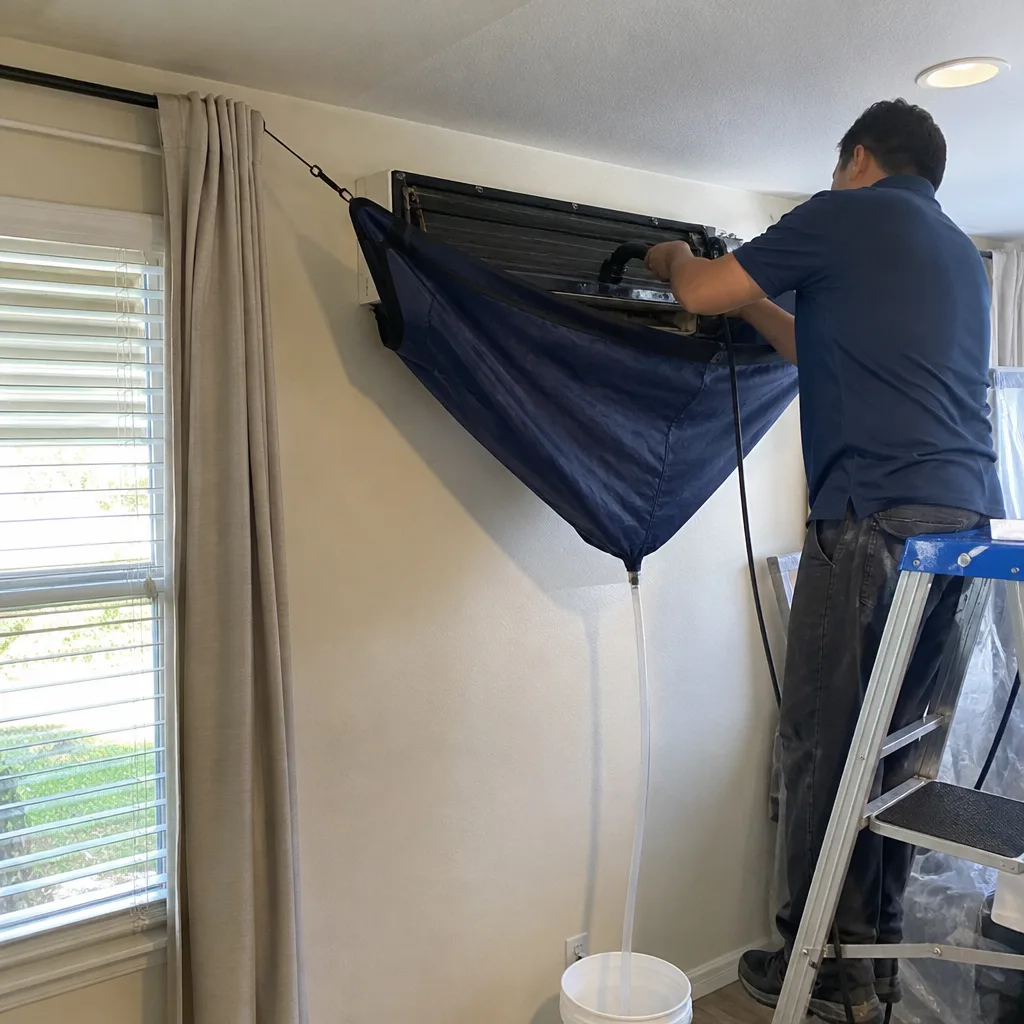
 Whole-home duct cleaning
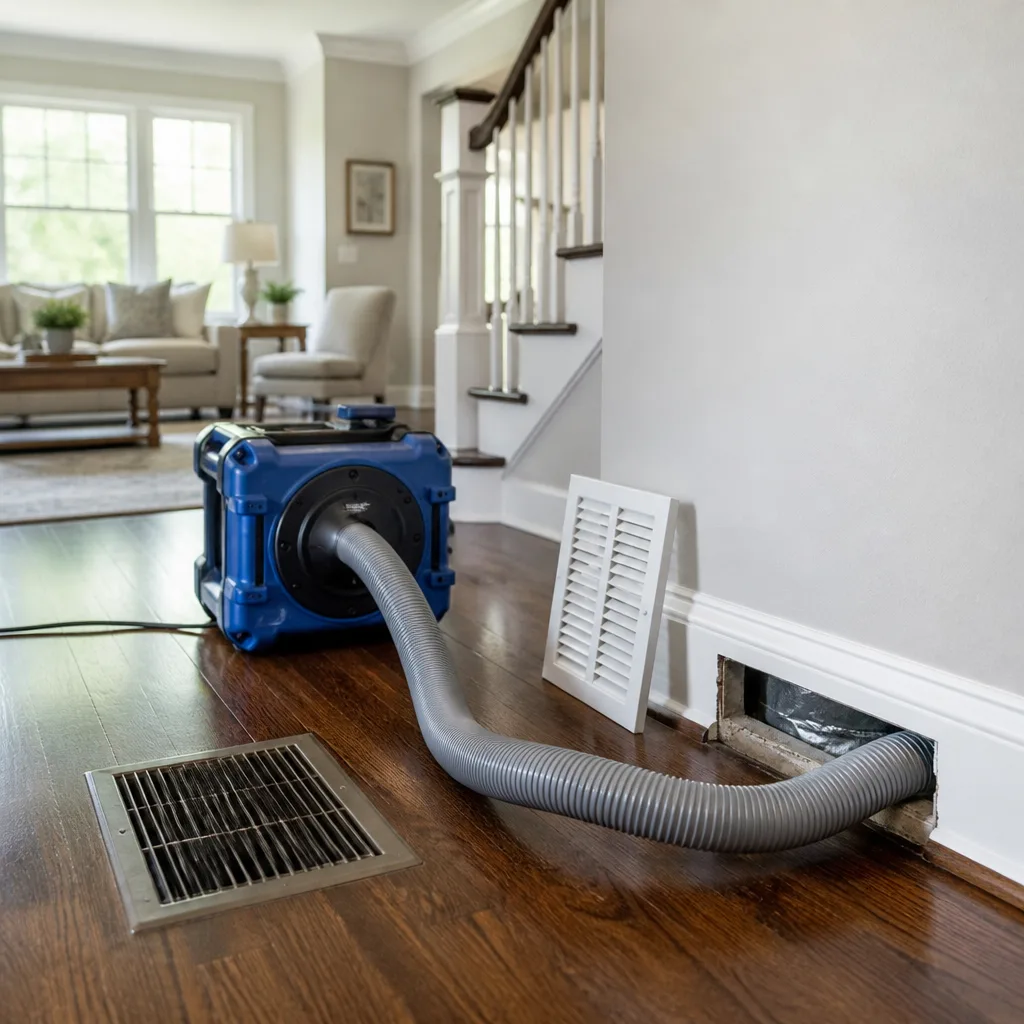
 Dryer vent cleaning
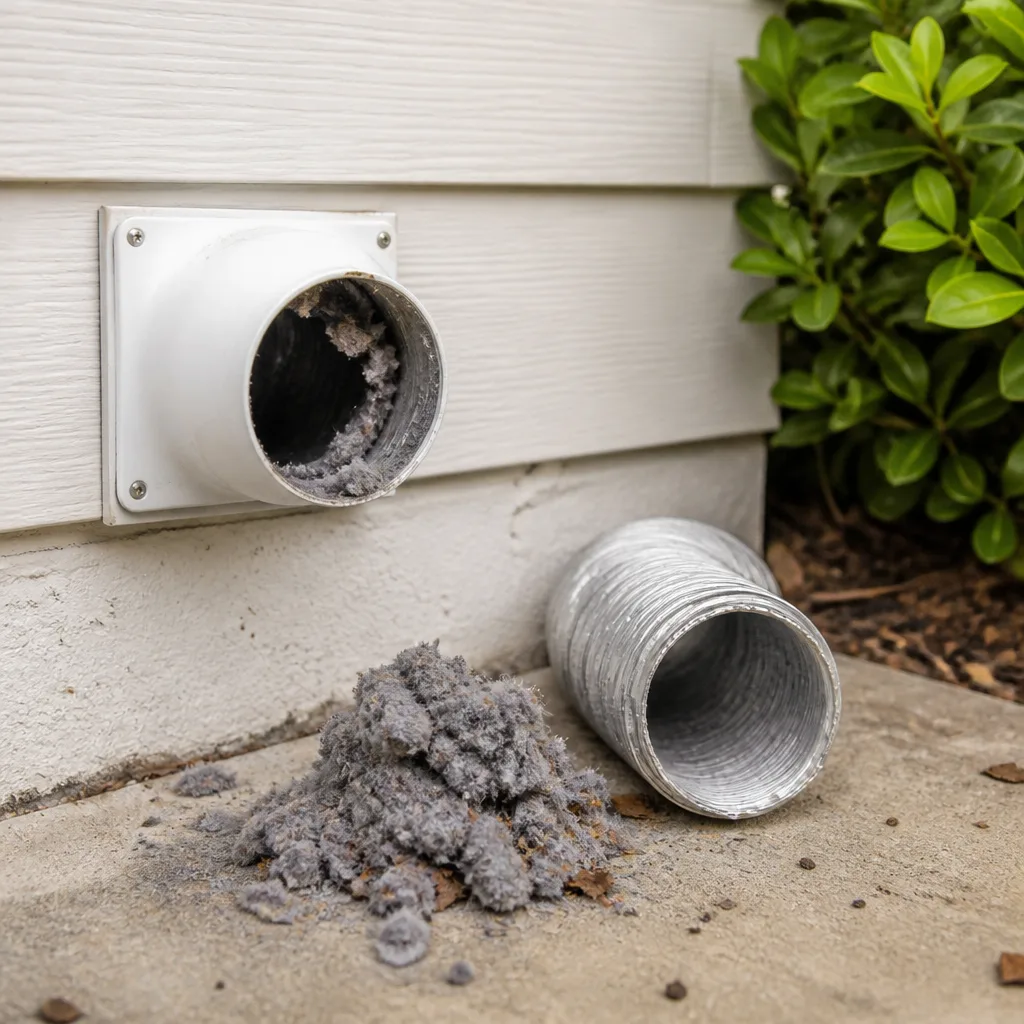
 Camera inspection
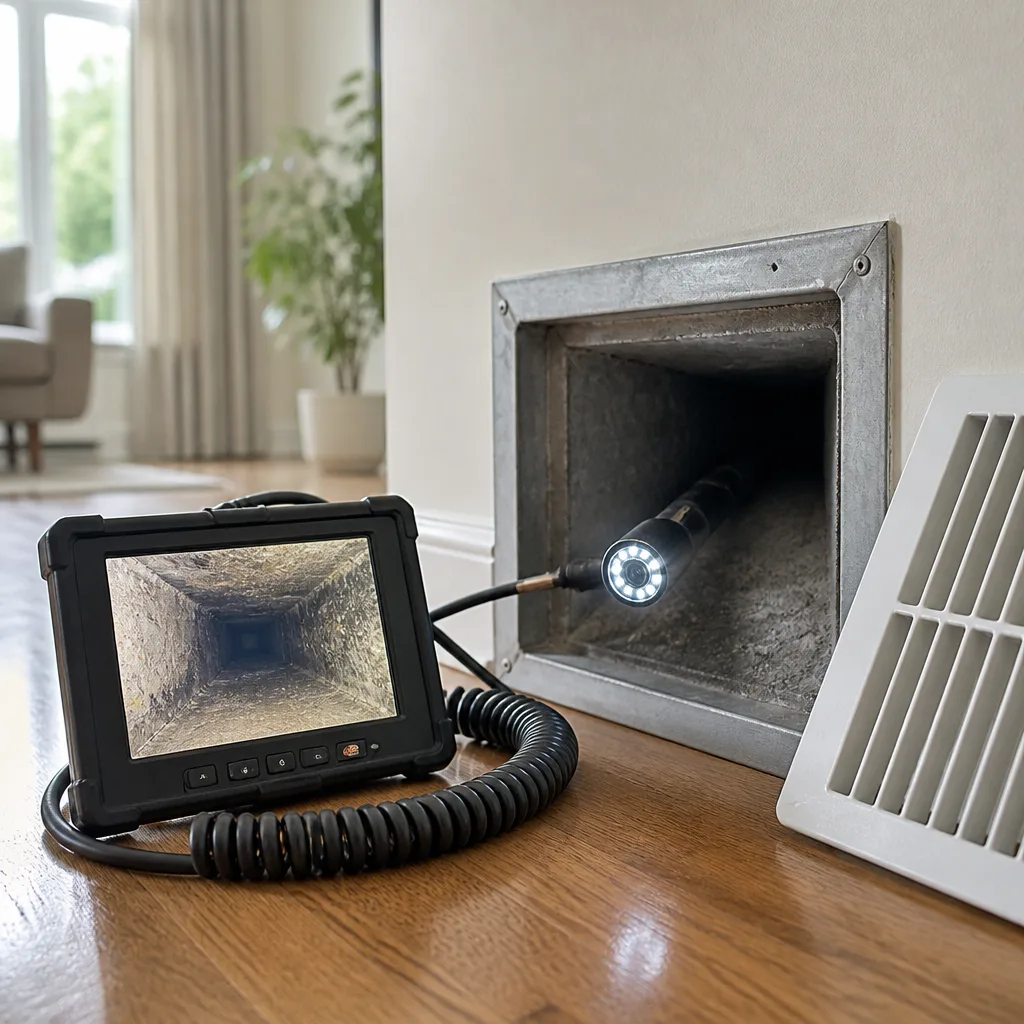
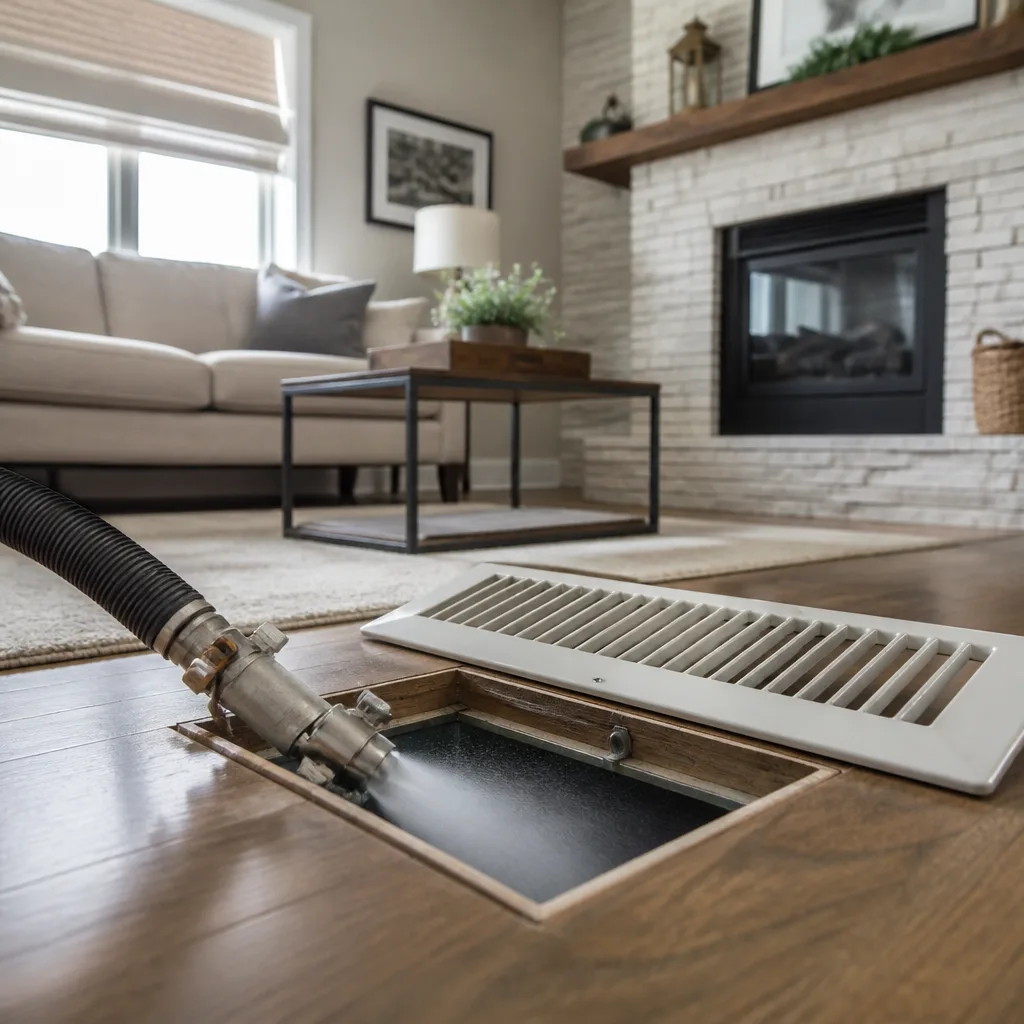 Sanitizing & deodorizing
Whole-system duct and dryer vent check with before-and-after photos - you see exactly what came out of your vents
That "$99 whole-house special" is a bait ad - the real number appears once they are in your hallway, or the "clean" is a shop-vac at the register. We photograph the inside of your ducts before and after instead.
How to Hire an Air Duct Cleaning Contractor in San Juan Capistrano: A Step-by-Step Guide
California doesn’t require a specific license to clean air ducts. That single fact explains almost everything confusing about hiring in this trade. The $89 coupon operator and the specialist arriving with a professional Rotobrush brush system and a HEPA-filtered negative air machine can appear in the same search results, look equally polished in photos, and quote wildly different numbers. The difference between them isn’t visible until after they’ve been inside your home and packed up.
So the vetting falls entirely on you, and the right questions are technical, not logistical. This guide gives you a framework for evaluating a San Juan Capistrano duct cleaning contractor on equipment, process, and documentation, and it covers the license types that matter, the red flags worth walking away from, and how to write a scope of work that holds the contractor to an actual process.
Styles & brands we work with
- Whole-home duct cleaning
- Dryer vent cleaning
- Camera inspection
- Sanitizing & deodorizing
Quick Answer
To hire an air duct cleaning contractor in San Juan Capistrano, start by confirming the company uses a rotary brush or contact cleaning system and a vacuum with HEPA filtration and real negative pressure, not just a shop vac. Ask for a written scope of work that names the equipment, the number of supply and return runs, the containment method, and before-and-after photo documentation. Verify whether the operator holds a C-20 HVAC license for any combined duct and equipment work, and treat a price that comes with no defined scope as a reason to keep looking.
Table of Contents
- Why California’s Licensing Gap Changes How You Vet
- The Three Equipment Questions to Ask Before Booking
- How to Verify NADCA ACR Compliance
- Which California Contractor License Types Apply
- Red Flags Specific to Low-Bid Operators
- How to Structure a Written Scope of Work
- What San Juan Capistrano Homes and Climate Demand
- Common Mistakes to Avoid
- When to Call a Professional
- Frequently Asked Questions
- The Bottom Line
Why California’s Licensing Gap Changes How You Vet
Air duct cleaning isn’t a licensed trade in California the way electrical or plumbing work is. There’s no state-issued duct cleaning credential to check, which means the Consumer Affairs database that protects you on a kitchen remodel won’t verify anything for a stand-alone duct cleaning job. The operators who exploit this gap rely on the assumption that homeowners will confuse “a business license and a truck” with “qualified and insured.”
What you can verify is more useful than a single license number anyway. You can check whether the company carries general liability insurance and workers’ comp and get a certificate of insurance before work starts. You can confirm the equipment they’ll bring by name. You can ask for the written scope of work before the visit, not after. And you can see the process described in enough detail that a low-effort operator would have to invent it on the spot.
What to verify before booking:
- Certificate of insurance covering general liability and, where applicable, workers’ comp.
- Specific equipment brands and models named in writing: a rotary brush system, a negative air machine, HEPA filtration.
- A written scope of work defining runs cleaned, containment method, and photo documentation.
- A physical address you can check rather than a call-center number with no traceable location.
- Before-and-after photographs of your own system, not stock images of somebody else’s job.
The good news: the gap rewards informed hiring. A homeowner who asks the right questions is the best filter this trade has, because the operators cutting corners can’t answer them.
The Three Equipment Questions to Ask Before Booking
Equipment separates real duct cleaning from surface vacuuming, and three questions will do most of that sorting. Ask them before you book and listen to whether the answer names specific machines and specifications or drifts into vague reassurances.
- “What is the CFM rating of your negative air machine?” CFM, or cubic feet per minute, tells you how much air the vacuum system pulls and, by extension, whether it can establish real negative pressure inside the duct system. A machine rated low enough can’t pull dust and debris out of long runs, which is why containment matters. Ask for the number, not “high-powered.”
- “What kind of brush system do you use?” Rotary brush systems agitate and lift contamination off duct walls so the vacuum can carry it away. A push-pull hose alone loosens material it can’t fully remove. Professional operators run a purpose-built brush system, and they can name the brand: Rotobrush and Nikro are the two you’ll hear most from contractors doing restoration-grade work.
- “What filtration does your vacuum carry?” A HEPA filtration stage catches fine particulate without exhausting it back into the room you’re trying to clean. Ask whether the machine runs true HEPA filtration and how the operator handles the exhaust path inside your home.
Here at San Juan Capistrano Air Duct Cleaning Pros, we use professional Rotobrush and Nikro systems, and we pair them with Abatement Technologies filtration and negative-air equipment for contained, remediation-level cleaning. Our technicians have up to 15 years of experience, and they’ll answer these questions on the phone before you commit to anything.
The point of the questions isn’t the brand names. It’s that a contractor who casually names the machine and its rating knows what they’re doing with it. When you hear only adjectives, keep asking.
How to Verify NADCA ACR Compliance
NADCA’s ACR standard, which stands for Assessment, Cleaning, and Restoration, is the process backbone of professional duct cleaning in the United States. It’s not a license, and a contractor claiming to “follow NADCA” isn’t the same thing as complying with ACR. Understanding what the standard actually requires lets you test a contractor’s claim instead of accepting it.
NADCA ACR compliance, in principle, means the job follows a sequence:
- Assessment. The contractor inspects the system and documents conditions before cleaning: contamination levels, buildup, any damage or disconnects. In our experience, this is the step most commonly skipped.
- Cleaning. Mechanical agitation and vacuum extraction performed together, with the system under negative pressure and containment in place so debris doesn’t migrate into living space.
- Restoration. Restoring the system to design condition, which includes sealing gaps and addressing damage rather than vacuuming over it, and verifying the cleaned state with photographs.
How to test the claim:
- Ask the contractor to walk you through their assessment step: what they inspect, what they record, what they hand you.
- Ask how they establish and maintain negative pressure during cleaning, and how they contain the work area.
- Ask for before-and-after photographs of your own system at completion.
- Ask whether they hold NADCA membership or have technicians who’ve completed NADCA training, then treat it as one signal among several, not proof by itself.
A contractor who can recite the assessment-clean-restoration sequence and produce documentation at each stage is usually doing the work the standard describes. A contractor who says “we’re certified” and can’t describe the process has told you something useful.
Which California Contractor License Types Apply
Stand-alone air duct cleaning in California doesn’t require a specialty contractor license, but combined duct and HVAC work does. The moment a contractor touches the equipment or makes repairs to the HVAC system, the C-20 HVAC contractor license bucket applies, and the operator should hold a license issued through the state contractor licensing body. That’s a critical distinction for San Juan Capistrano homeowners hiring a single company to clean the ducts and the air handler in one visit.
Here’s how the license question breaks down in practice:
- Duct cleaning only. No specialty license is required at the state level, though local business licensing and insurance still apply.
- Duct cleaning plus equipment service. The C-20 HVAC license applies when the work touches the heating, ventilation, or air conditioning equipment itself, which includes cleaning and servicing an air handler or coil as part of the job.
- Repair and sealing work. Sealing gaps, repairing disconnects, or modifying duct runs falls in the same category when tied to system equipment.
If you’re planning a full-system service that combines ducts, HVAC cleaning, and sealing, ask for the license before booking. A contractor who handles all of it under one roof should be able to produce the credentials. When in doubt, verify the license number with the state contractor licensing body directly. It takes minutes and settles the question.
Red Flags Specific to Low-Bid Operators
Low-bid operators in this trade share recognizable patterns, and knowing them lets you spot them before the visit rather than after. The common thread is a price that seems great because the scope has been quietly hollowed out. Here’s what to watch for.
- A price quoted before anyone sees the system. A legitimate contractor can give you a ballpark over the phone, but a firm price without inspecting your duct runs, number of registers, or system condition is a teaser. Ask what the number assumes.
- Scope-of-work omissions. The written quote doesn’t mention negative air, containment, brush systems, or photo documentation. Any of these missing from the scope is a clue the process is being trimmed to fit the price.
- Chemical treatment upsells. A crew that finds microbial contamination on almost every job and pushes a sanitizing treatment on-site is upselling rather than assessing. Air Quality & Sanitizing service is legitimate, but it should be an assessed recommendation, not a default add-on.
- No before-and-after documentation. If the contractor can’t show you photos of your own ducts at completion, you have no way to know the work happened. Some operators count on this.
- A phone number and a website, nothing else. No verifiable address, no insurance certificate available on request, and pressure to book on the spot.
- Vague answers to equipment questions. “We use the best equipment” is a deflection. The specific machine and its rating is the answer.
- An insistence that your ducts are “toxic” without an assessment. Fear-based selling toward chemically-treated cleaning is a pattern worth resistant skepticism.
None of these flags prove a contractor is dishonest. Together, they describe the operator this entire guide exists to help you avoid.
How to Structure a Written Scope of Work
A serious contractor puts the process in writing, and that document is your leverage if the job goes wrong. The scope should hold the contractor to a process, not just a price. If they’ve quoted you a flat number and the written quote is one line, ask for the rest before work starts.
What a properly structured scope should include:
- System inventory. The number of supply runs and return runs to be cleaned, along with register count. This locks the scope so the crew can’t redefine it on-site.
- Equipment named. The rotary brush system and vacuum with filtration and CFM rating, listed by type and, where possible, brand.
- Containment and negative pressure method. How the work area is protected and how the system is held under negative pressure during cleaning.
- Assessment step defined. What’s inspected before cleaning and what’s reported if damage or disconnection is found.
- Restoration and repair clause. What happens if gaps, disconnects, or contaminated surfaces are found. Sealing and repair work belongs in the scope, not a post-visit upsell.
- Documentation. Before-and-after photographs at completion, provided to you rather than shown on a phone and taken back.
- Verification and clean-up. Confirmation that the cleaned system was checked and that the work area is returned to clean condition.
When the scope holds up, the price becomes a secondary question. One flat price per system, agreed before work starts, is what a properly structured scope produces. That’s the approach we take at San Juan Capistrano Air Duct Cleaning Pros, and it’s the standard this guide exists to hold contractors to. Read the written quote closely, ask questions about anything missing, and don’t sign off on a one-line estimate.
What San Juan Capistrano Homes and Climate Demand
San Juan Capistrano’s housing stock spans some of the oldest surviving residential architecture in Orange County and a substantial amount of newer construction, and each brings a different duct problem. Older homes were often built with duct systems that have since accumulated decades of dust, disconnected joints, and unsealed connections that leak conditioned air into crawlspaces and walls. Newer builds came in with tighter envelopes and systems that move air efficiently, which makes them more sensitive to any contamination the ducts carry.
The local climate is a factor too. Mild as it is, San Juan Capistrano’s weather still alternates between springtime dust that finds its way into return grilles and the dry summer months when the system runs hard. That cycle of dust intrusion followed by heavy system use is why filter maintenance and periodic duct inspection matter more in places like this than the climate might suggest.
Neighborhood character matters for expectations:
- Historic Los Rios and the older streets near downtown carry homes with duct systems that reward a careful assessment before any work is quoted. Repair and sealing work often matters as much as cleaning.
- Rancho Mission Viejo, Talega, and the newer tract neighborhoods tend to have efficient, well-sealed systems where the priority is thorough cleaning and HEPA filtration to maintain the envelope they were built with.
Neither category is better served by a cheap coupon. Both are served by a contractor who shows up with proper equipment, assesses the system, and puts the process in writing. For a full picture of what our air duct cleaning work covers in this city, a quick call settles most of the questions this guide raises.
Common Mistakes to Avoid
- Booking on price alone. The lowest bid wins the job by trimming scope, containment, or documentation. What’s left is a truck, a hose, and a price that quietly leaves out the process.
- Not asking for the equipment specifics. “Professional-grade” is a marketing phrase, not a description. Without a brush system and a negative air machine with named ratings, you can’t evaluate what’s happening at your house.
- Skipping the assessment step. A contractor who arrives, cleans, and leaves without inspecting for damage has likely cleaned over the problem. San Juan Capistrano’s older homes reward the assessment step, and the sealing work that follows it.
- Accepting a one-line written quote. A proper scope names the runs, the equipment, the containment, and the documentation. If those aren’t written down, they aren’t contractual.
- Missing the license question on combined jobs. If the job will touch the HVAC equipment alongside the ducts, that’s C-20 territory in California, and the contractor should be able to show the license. Ask before booking, not after.
- Forgetting the dryer vent entirely. A dedicated dryer vent cleaning appointment addresses a fire-safety concern that duct cleaning doesn’t touch. It’s a separate service for a reason, and it deserves its own schedule slot.
- Not keeping the documentation. Photos, the written scope, and any assessment findings are the paper trail proving the work happened. Keep them.
When to Call a Professional
Some situations call for a professional assessment rather than another cleaning pass. If you’re seeing visible dust drifting from registers after cleaning, noticing musty or stale odors when the system runs, finding a return grille coated in dust that reappears quickly, or hearing a whistle or rattle that suggests a disconnected joint, those are all signs an inspection is due. If anyone in the home has persistent allergy or asthma symptoms that get worse indoors, or if you’ve recently moved in and don’t know the system’s history, an assessment is the sensible next step.
If you have a dryer you’ve never had vented professionally, that’s also worth a call. San Juan Capistrano Air Duct Cleaning Pros offers free estimates in San Juan Capistrano, and we can assess your duct system and your dryer vent in the same visit conversation. Call (844) 443-3974.
Frequently Asked Questions
Ask three questions: the CFM rating of their negative air machine, the type of rotary brush system they use, and whether their vacuum carries HEPA filtration. Then request a written scope of work naming the runs, equipment, containment method, and before-and-after documentation policy. Confirm insurance, and for combined duct and HVAC work, verify the C-20 license. A contractor who answers all of it clearly is a reasonable bet.
No. California doesn’t require a specific license to clean air ducts as a stand-alone service, though local business licensing and general liability insurance still apply. The C-20 HVAC license applies when the work touches the heating and cooling equipment itself, including combined duct and equipment service and repair work. If the job crosses into HVAC service, ask for the license before booking.
Pricing is per job by written estimate, because a whole-system price depends on the number of supply and return runs, system condition, and whether repair or sealing work is included. Any quote given before the system is seen is a ballpark or a teaser, not a price. Call (844) 443-3974 for a free estimate; the written estimate sets the final price.
Lower quotes usually leave something out of the scope: containment, negative pressure, brush agitation, or photo documentation. Sometimes the whole process is trimmed to a surface vacuum pass with no assessment. The written scope tells you which. Compare quotes on what’s included, not just the number, and call (844) 443-3974 if you want ours to compare.
You ask for before-and-after photographs of your own system, delivered to you, not shown on a phone and taken back. You also confirm that the work involved a rotary brush system under negative pressure and HEPA filtration, and that the contractor provides documentation of what was found. The written scope plus the photos are your proof that the process was followed.
There’s no universal schedule, and frequency depends on the home, pets, filter maintenance, and whether remodeling or recent work has stirred debris into the system. A reasonable approach in San Juan Capistrano is an assessment when you notice the warning signs (recurring dust, odors, allergy symptoms that worsen indoors) rather than a fixed calendar. Proper filter maintenance between cleanings does a lot of the work. Call (844) 443-3974 to discuss your specific situation.
The Bottom Line
Hiring a duct cleaning contractor in San Juan Capistrano comes down to process, not price. Ask about negative air capacity, brush systems, and HEPA filtration. Verify the C-20 license on combined duct and equipment work. Treat a one-line quote as a question, not an answer, and insist on a written scope of work that names the runs, the containment, and the documentation. A contractor who can talk process without flinching is doing the work NADCA ACR describes; a contractor who can’t is telling you what the price was hiding. For a full-system view across the services this call covers, start with our San Juan Capistrano Air Duct Cleaning Pros overview, and when you’re ready to compare a properly structured quote, call (844) 443-3974 for a free estimate.
Written by the team at San Juan Capistrano Air Duct Cleaning Pros.
See the difference
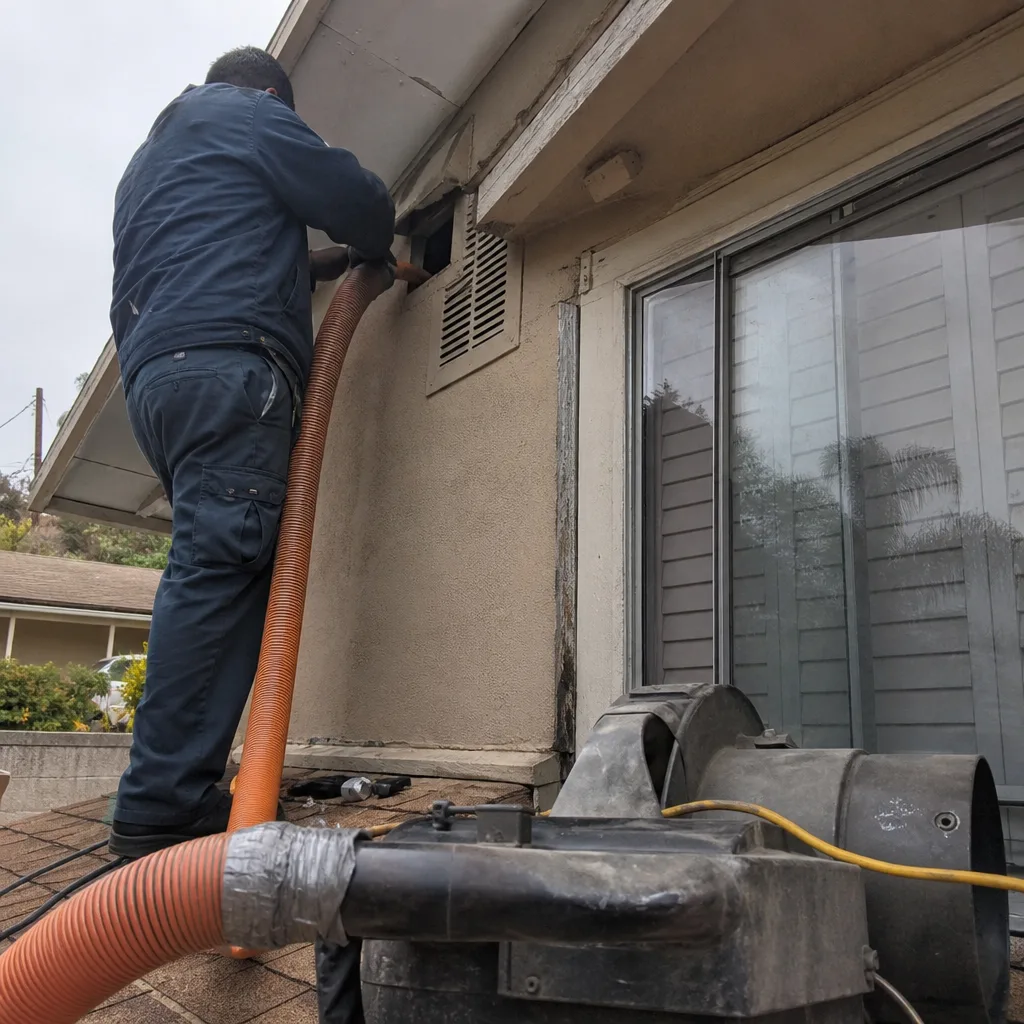 Before
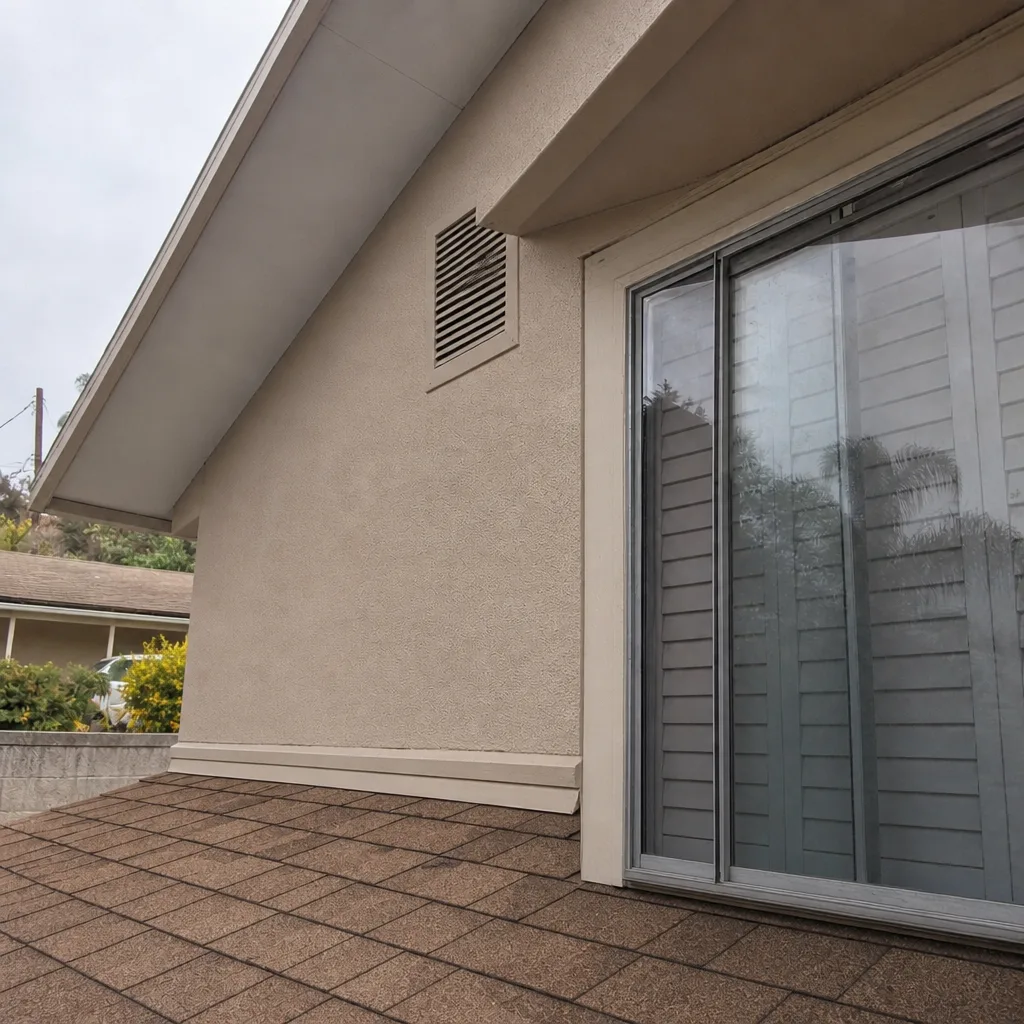 After
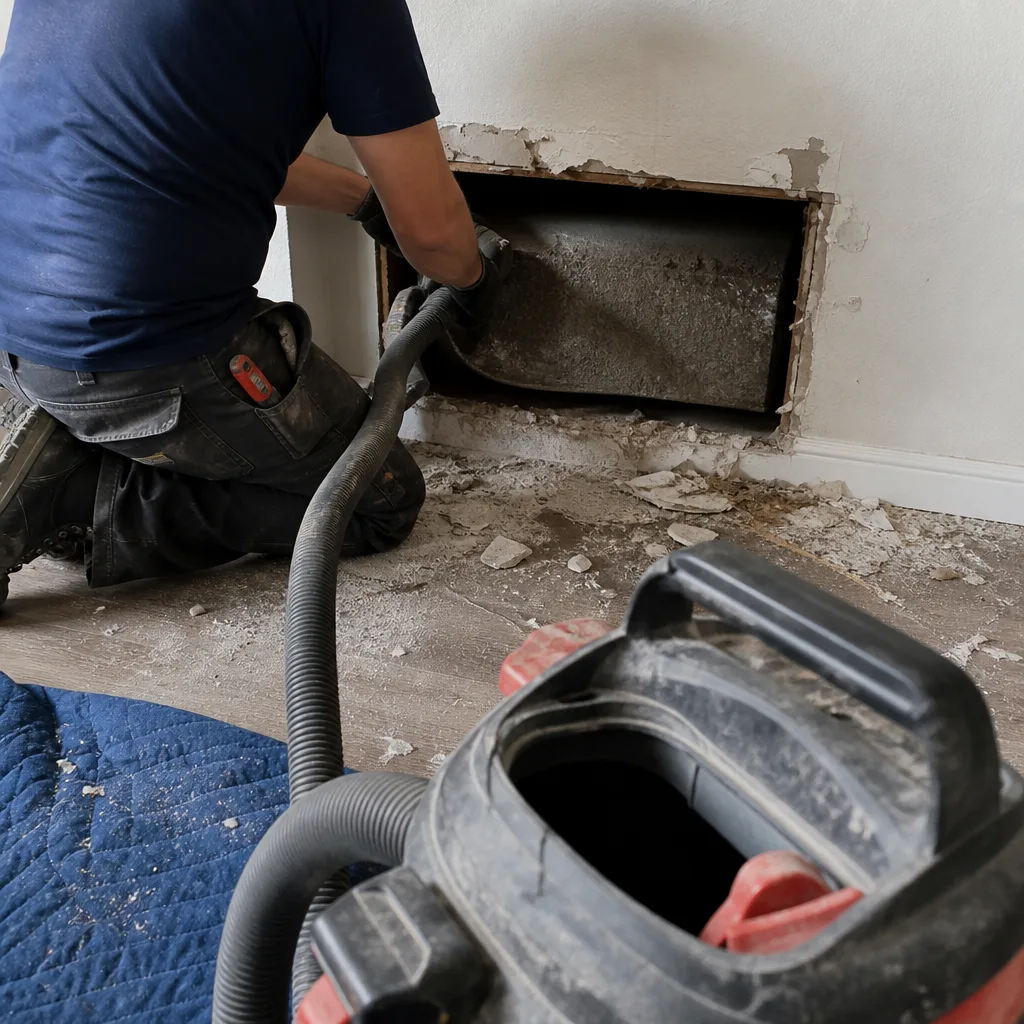 Before
 After
 Before
 After