
Last updated November 24, 2026
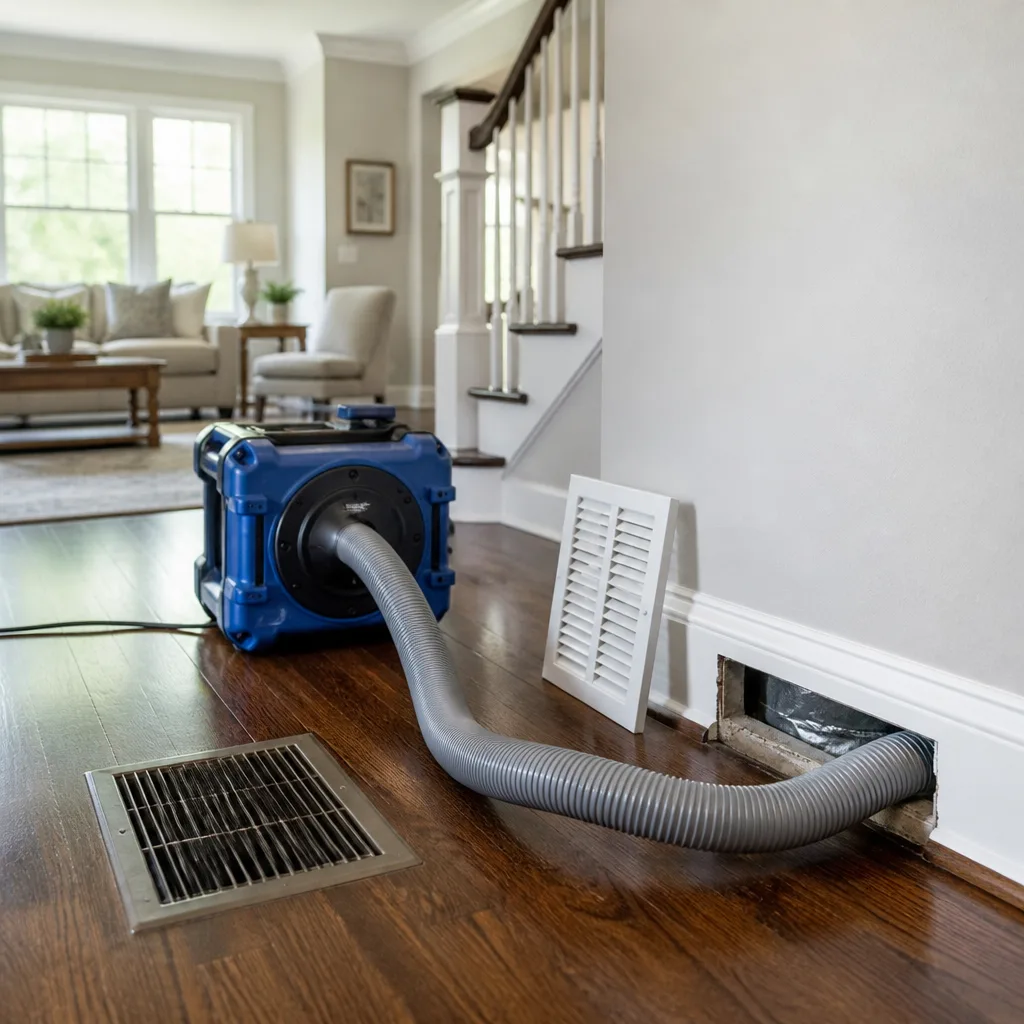 Whole-home duct cleaning
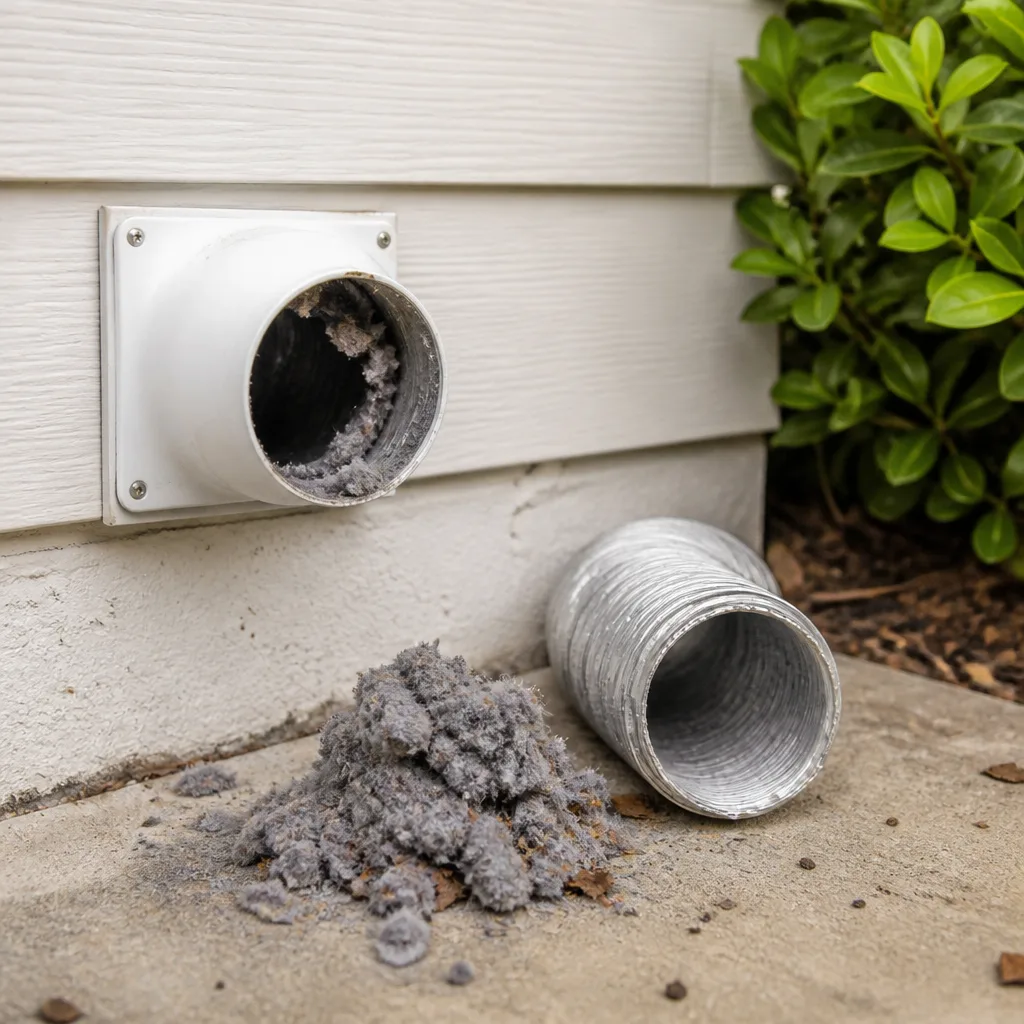 Dryer vent cleaning
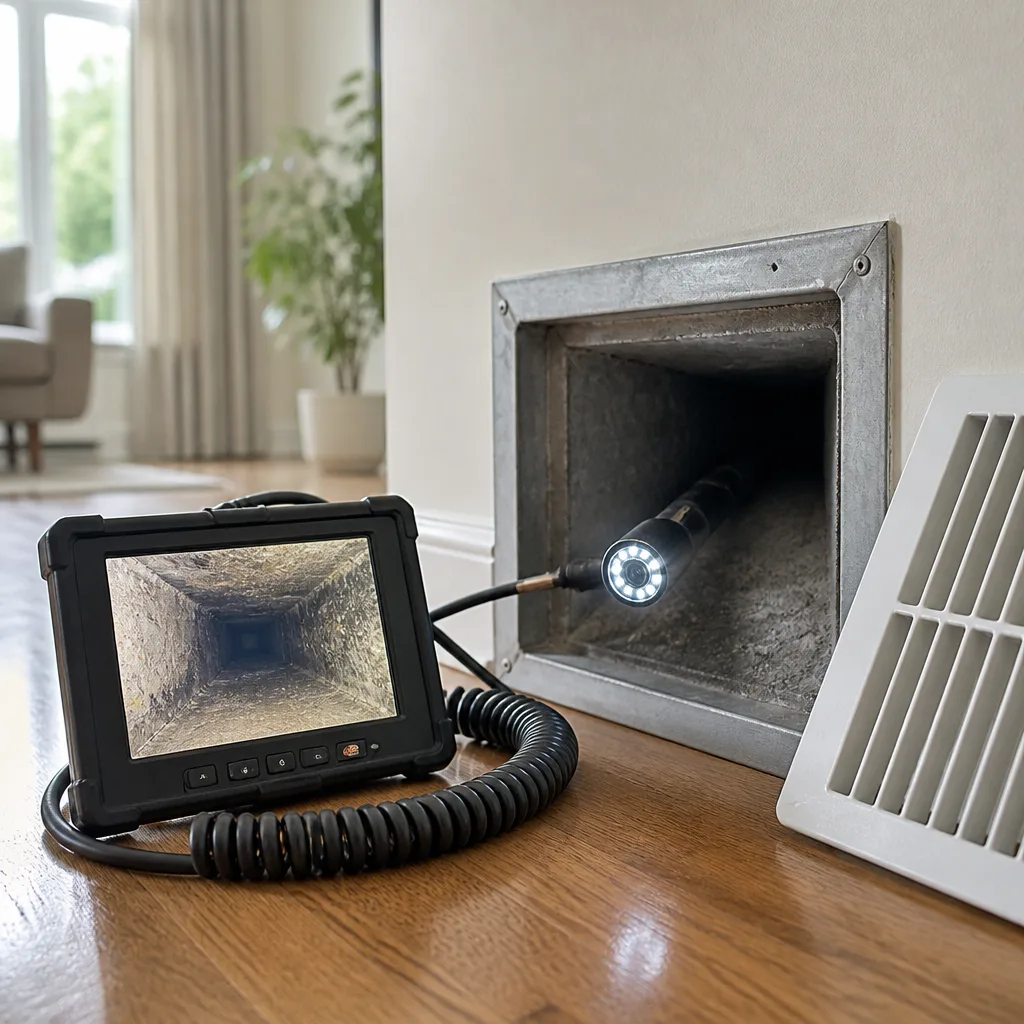 Camera inspection
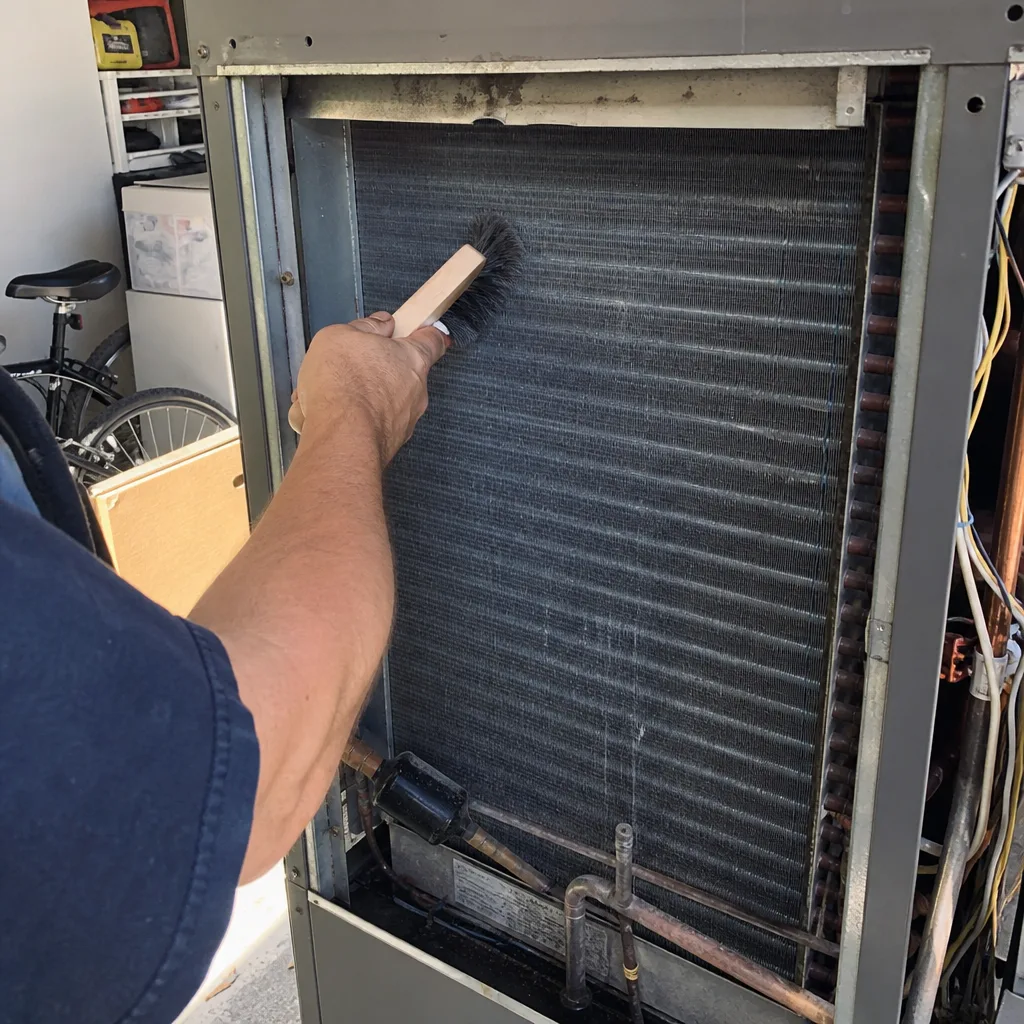
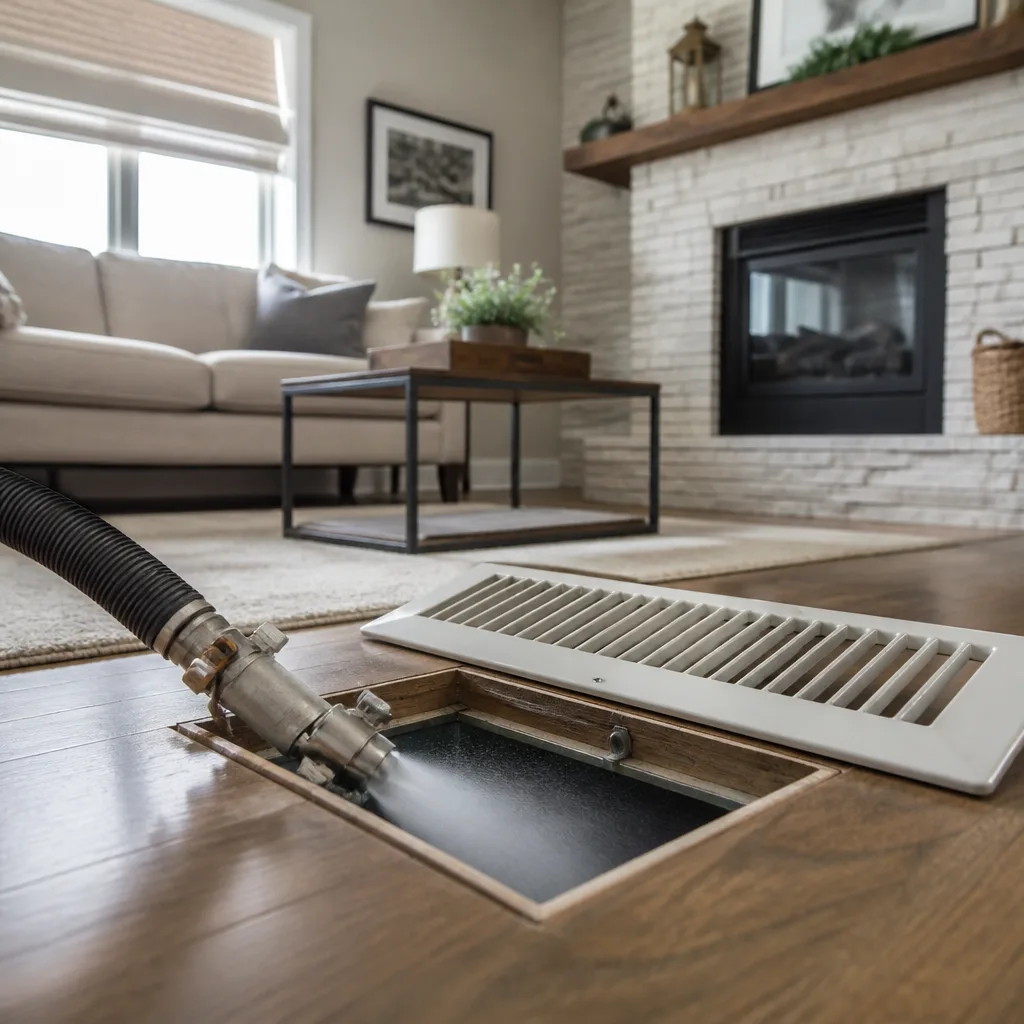 Sanitizing & deodorizing
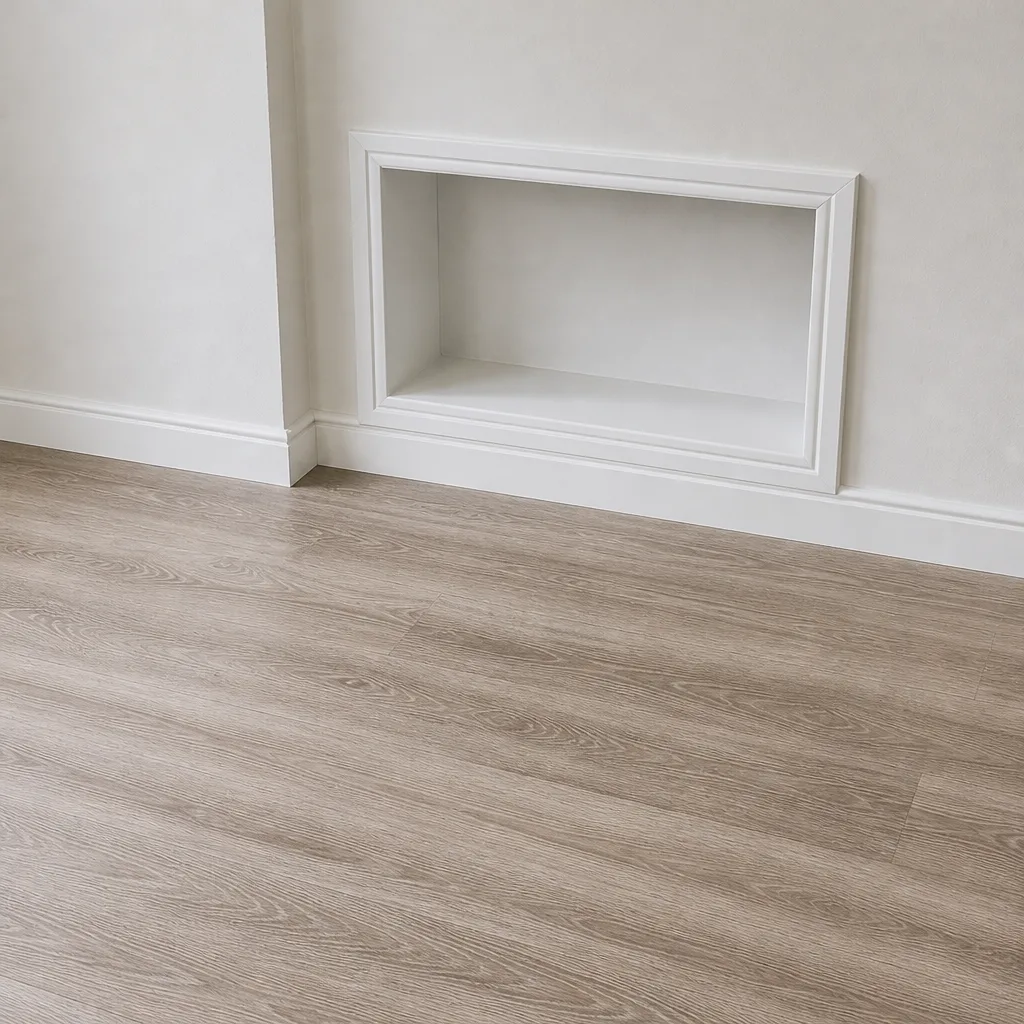
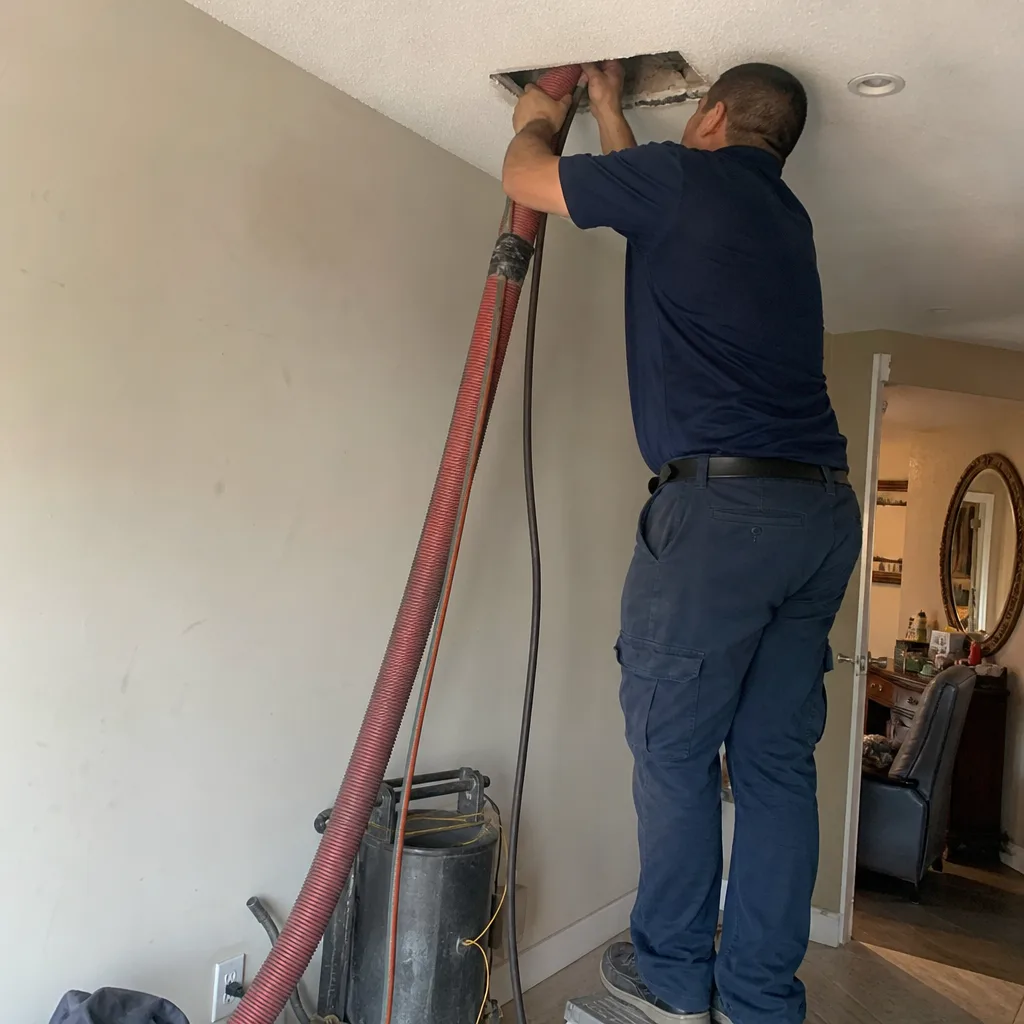
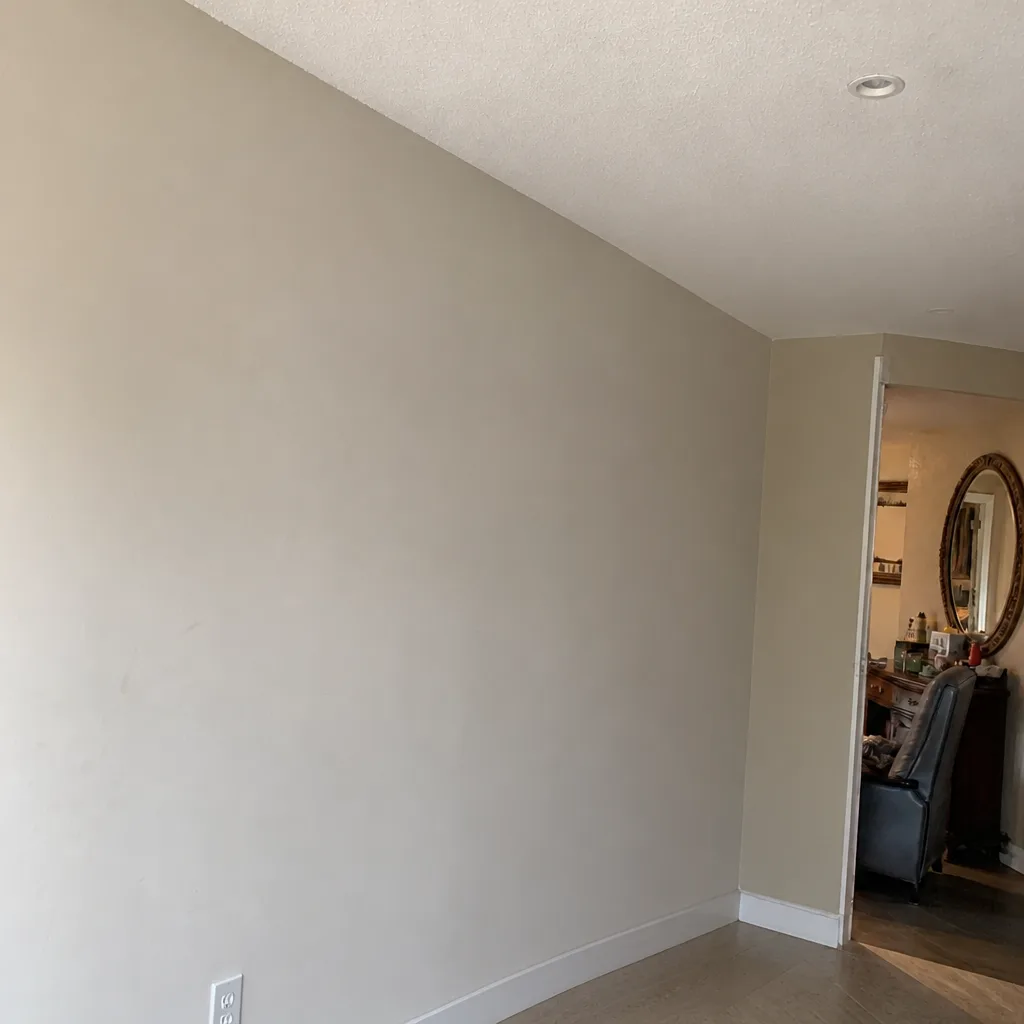
Whole-system duct and dryer vent check with before-and-after photos - you see exactly what came out of your vents
That "$99 whole-house special" is a bait ad - the real number appears once they are in your hallway, or the "clean" is a shop-vac at the register. We photograph the inside of your ducts before and after instead.
Air Duct Cleaning Emergency Preparedness Guide for San Juan Capistrano Homes
Most homeowners think about duct contamination as a slow, invisible buildup. In San Juan Capistrano, it can arrive in a single afternoon. When wildfire smoke rolls down the canyons from the Cleveland National Forest, when the creek corridors flood, or when the ground shakes, your ductwork becomes the delivery system for whatever is in the air. The system that keeps your home comfortable in normal times is the same one that can spread smoke particles, moisture, and mold spores room to room in minutes. What follows is a decision tree for each type of emergency we prepare for in San Juan Capistrano, so you know exactly what to do before, during, and after an event, and when cleaning is the right answer versus a filter swap.
Quick Answer
The right duct response depends on the emergency type: shut the system off and switch to recirculation during heavy wildfire smoke, then get professional cleaning only if filters load fast or smoke odor lingers; after flooding, dry the system within 48 – 72 hours or plan on insulated flex duct replacement; after a significant quake, inspect rigid joints and plenum connections for separation before running the system. In San Juan Capistrano, preparation done now – higher-MERV filtration, sealed return plenums, and documented baseline photos – shrinks every one of those jobs.
Styles & brands we work with
- Whole-home duct cleaning
- Dryer vent cleaning
- Camera inspection
- Sanitizing & deodorizing
Table of Contents
- Wildfire Smoke Protocol: When to Shut Off Your System
- Flood and Moisture Intrusion: The 48 – 72 Hour Window
- Post-Earthquake Duct Inspection
- Pre-Emergency Preparation You Can Do Now
- Documenting Contamination for Insurance Claims
- The Decision Tree: Clean, Seal, or Replace
- Common Mistakes to Avoid
- When to Call a Professional
Wildfire Smoke Protocol: When to Shut Off Your System
The 2018 wildfire events that blanketed Orange County in smoke for eight days taught a hard lesson. Homes that ran their HVAC systems continuously on “auto” pulled ultrafine PM2.5 particles through the return and deposited them on every interior surface. Homes that shut the system down and switched to recirculation avoided that outcome almost entirely. San Juan Capistrano sits downwind of canyon and foothill terrain that channels smoke, so this protocol matters here every fire season. The sequence below is what we recommend to every homeowner we work with in town.
Step-by-step smoke response
- Watch the AQI. When the Air Quality Index for the San Juan Capistrano area climbs past 100, or when you can smell smoke indoors, stop running the system on auto.
- Shut down the fan. Turn the thermostat to off, or at minimum set the fan to “on” only if you have a high-MERV filter installed and the return is sealed. Otherwise, off is safer than auto.
- Switch to recirculation if your system supports it. Close the fresh-air intake. Homes with economizers or ventilators should close outside dampers.
- Seal the envelope. Weatherstripping and door sweeps cut infiltration during a multi-day smoke event more than most people expect.
- Document the event. Photograph the sky, the odor days, the filter before you change it. That record is what an insurer asks for later.
Cleaning versus a filter swap
A MERV-13 filter swap is often enough after a short smoke event. Professional cleaning is warranted when the filter loads within weeks instead of months, when smoke odor returns every time the fan runs, or when fine gray dust shows up on supply registers and nearby furniture. A system that ingested smoke for eight days is a different job than one that ran for eight hours. When the smoke is heavy enough to leave visible deposits on interior surfaces, a full air duct cleaning with mechanical agitation and negative-air containment is the realistic answer. Rotary brush systems and HEPA-filtered negative-air units remove the deposits rather than redistributing them.
Flood and Moisture Intrusion: The 48 – 72 Hour Window
Water that enters through a crawlspace, an attic leak, or a failed condensate line doesn’t need to reach the duct itself to contaminate it. Insulated flex duct acts like a sponge. Once the interior lining is wet, mold can begin colonizing within 48 to 72 hours, and no amount of surface cleaning rescues soaked insulation. San Juan Capistrano’s creek corridors see periodic flood events during heavy winter rain, and older homes near those corridors often have ducts routed through crawlspaces where water pools first. The clock matters more than any other variable in flood response.
What to do in the first 48 hours
- Stop the air handler. Do not run the fan on wet ductwork. It spreads spores through the whole house.
- Identify the water path. Trace where the water came in and which duct runs sit in that path. Crawlspace and attic runs are the usual suspects.
- Call for inspection. A moisture meter reading on the duct insulation and the surrounding framing tells you within minutes whether the material is salvageable.
- Photograph everything before any drying begins. Insurers want the pre-drying condition documented.
Clean or replace?
Rigid metal duct that got wet and can dry within 48 hours is usually cleanable and restorable. Insulated flex duct that took on water is almost always a replacement call, because the insulation itself holds moisture where no brush can reach. If mold has already started, replacement is the honest recommendation. We’d rather tell you to replace a run than sell a cleaning that won’t solve the problem. Duct repair and sealing often go with the replacement, since the entry point that let water in needs to be closed. A written inspection report that states moisture readings, affected runs, and recommended action is what should come out of any flood assessment.
Post-Earthquake Duct Inspection
San Juan Capistrano sits in a seismically active zone, and the same shaking that knocks pictures off shelves also loosens duct connections. Duct joint separation is the most common post-quake finding: rigid duct sections pull apart at seams, and flexible duct sections dislodge from their collars. Plenum displacement is the second: the box that connects the air handler to the duct system shifts, opening gaps that let attic or crawlspace air into the supply. Neither is visible from the living room, but both send contaminated air where it shouldn’t go. The check below is safe to perform yourself after the shaking stops.
What to check after a significant quake
- Look at every accessible duct joint. Rigid seams should be tight. Any visible gap, sag, or disconnected collar is a find.
- Inspect the plenum connection. The air handler-to-duct box should not be tilted or separated at seams.
- Listen while the system runs. New whistling, rushing, or roaring sounds often indicate a separated joint somewhere in the run.
- Check flex duct hangers and collars. Flex runs that have sagged onto framing or dropped from their straps need re-securing before the system runs.
- Look for dust plumes. If dusty air blows from a register when the fan kicks on, a joint is likely open upstream.
If anything looks disturbed, keep the system off until a technician inspects it. A separated plenum can pull attic insulation fibers, pest debris, or moisture into the supply stream. Duct repair and sealing restore both efficiency and air quality, and it’s a fraction of the cost of ignoring a separation through a whole season. The same goes for the air handler itself; a post-quake HVAC cleaning is often paired with the duct inspection, since the coil and blower cabinet take on debris pushed through a separated run.
Pre-Emergency Preparation You Can Do Now
The best time to limit emergency contamination is before the emergency. Homes that have higher-MERV filtration, sealed return plenums, and a documented baseline need far less remediation after a smoke, flood, or seismic event. We’ve walked into houses side by side with the same exposure and seen the difference. The prepared house gets a filter swap and an inspection. The unprepared house gets a full duct cleaning and often a partial rebuild. The preparation listed here is not exotic, and most of it can be done on a normal service visit.
Preparation checklist
- Install a higher-MERV filter. MERV-13 is the practical sweet spot for most residential systems: it captures fine smoke particles without choking airflow. Honeywell and Aprilaire filter cabinets handle the deeper media that a slot-style filter can’t.
- Seal the return plenum. Gaps in the return draw attic or crawlspace air into the system every hour the fan runs. Sealing with mastic and mesh tape is a small job with an outsized payoff during smoke events.
- Take baseline photos. Photograph the air handler, filter, plenum, and every visible duct run. Date the photos. A baseline taken today is what turns a post-event inspection into an insurance claim.
- Know your system’s recirculation control. Find out now whether your thermostat or air handler supports shutting off outside air. During a smoke event is not when you want to be reading the manual.
- Schedule a dryer vent cleaning. Fire safety starts at the dryer vent, and the same wildfire conditions that create smoke exposure also strain response times. This is part of the dryer vent cleaning service for exactly that reason.
None of this preparation is expensive relative to a full post-event remediation. The filtration upgrade is the single most effective step, and the sealing work behind it fixes the root cause every duct cleaning only partially addresses. We clean, repair, and seal because cleaning alone doesn’t stop the next event from repeating the last one.
Documenting Contamination for Insurance Claims
Insurance claim outcomes for duct contamination hinge almost entirely on documentation quality. A homeowner who says “our ducts are smoky” gets a hard conversation. A homeowner with a dated baseline, a written inspection report, and pre-cleaning photographs of loaded filters and visible deposits gets a much smoother claim. We recommend treating the documentation as part of the emergency response, not an afterthought once the cleaning is done. Any reputable duct cleaning company should hand you an inspection report you can submit.
What a professional inspection report should include
- Photographs of the air handler, blower, and coil before any cleaning begins, with timestamps.
- Filter condition and service history, if available.
- Visible debris and odor observations at supply and return registers.
- Moisture readings on any duct run suspected of water intrusion.
- Duct joint and plenum condition notes, especially after a seismic event.
- Scope-of-work recommendation spelling out what will be cleaned, sealed, or replaced and why.
- Before-and-after photographs of your own ducts once the work is complete. Those images are the closers on an insurance claim.
How to photograph for a claim
- Photograph the outdoor skyline and note the AQI reading during the event, if smoke-related.
- Photograph the filter before removal and after, both with a visible date reference.
- Photograph the affected room registers and any visible deposits on nearby furniture or trim.
- Photograph water lines and damage paths after a flood event, before any drying begins.
- Attach the inspection report from your technician to the claim with the photographs.
The report matters more than the invoice. An insurer wants to see the cause, the condition, and the recommended remedy. The gap between “we had smoke damage” and a clean paper trail is the difference between a paid claim and an argument.
The Decision Tree: Clean, Seal, or Replace
Not every emergency requires the same response, and getting to the right decision quickly saves both money and air quality. Below is the decision tree we use when we walk into a post-event home in San Juan Capistrano. It runs from the mildest response (filter swap) to the most involved (replacement of affected runs), and it always connects back to what actually happened inside the system.
After wildfire smoke
- Short event, no visible deposits, no lingering odor: replace the filter, inspect the return, run the system normally.
- Multi-day event, visible deposits, odor returns: scheduled cleaning with rotary-brush agitation and negative-air containment.
- Recurring problem year after year: cleaning plus sealing, higher-MERV filtration, and a plan for the next fire season.
After flooding or moisture intrusion
- Rigid duct, dried within 48 hours, no visible mold: clean and sanitize, then seal the source of the water entry.
- Rigid duct with visible mold or persistent moisture: clean, sanitize, and evaluate the insulation separately.
- Insulated flex duct with moisture: replace the affected runs. Cleaning soaked insulation is not a real fix.
After an earthquake
- All seams and plenum intact: no action required; note the inspection date for your records.
- One or more separated joints: duct repair and sealing, then a full cleaning if debris entered the run.
- Plenum displaced: repair the plenum, seal it, and inspect the air handler for pulled-in material.
Common Mistakes to Avoid
- Running the system on auto during a smoke event. This is the single biggest mistake we see. Auto mode cycles air through the system whether the filter can handle it or not; switch to off or recirculation when AQI climbs past 100.
- Waiting past the 72-hour mark on wet ductwork. Mold takes hold fast. Crawlspace and attic runs are the ones to check first, and San Juan Capistrano’s older homes are especially prone to it.
- Running the fan after a significant quake without checking the plenum. A displaced plenum pulls attic or crawlspace air into every room. Inspect before you turn it on.
- Assuming a filter swap fixes heavy smoke exposure. A MERV-13 filter handles mild events well. Multi-day smoke events deposit material upstream of the filter that a swap does nothing about.
- Skipping the baseline photographs. Preparation is cheap; a claim without documentation is not. Ten minutes with a phone camera now is worth a claim denial later.
- Hiring a duct cleaner without an inspection report. If the company can’t hand you a written report with photographs, you have no record of the before-condition and no way to file a claim.
- Ignoring the dryer vent through the whole preparation plan. Wildfire conditions and dryer vent lint are a bad combination. Fire safety starts at the dryer vent, and skipping it leaves a fire risk untouched while you focus on smoke.
When to Call a Professional
Some emergency scenarios are safely handled with a filter swap and a checklist. Others aren’t. Call a professional if any of the following applies: your home took on smoke during a multi-day event and odor returns every time the fan runs; wet ductwork has sat longer than 48 hours; a duct joint or plenum shows visible separation or sag; visible mold is present at registers or on accessible ductwork; or your insurer wants a documented inspection report before approving a claim. A trained technician with professional equipment can tell you within one visit whether you’re looking at a cleaning, a repair, or a replacement. San Juan Capistrano Air Duct Cleaning Pros offers free estimates in San Juan Capistrano; call (844) 443-3974. We answer 24/7. Fast dispatch from 7am to 7pm, Sunday through Friday.
Our technicians have up to 15 years of experience and work with the same commercial-grade equipment restoration contractors rely on: Rotobrush rotary brush systems and Nikro duct cleaning equipment for the mechanical side, and Abatement Technologies air filtration and negative-air units when containment matters. Air Quality and Sanitizing extends the work past debris removal to allergen and microbial control, which is the relevant layer for households with allergy, asthma, or pet concerns. Commercial-grade equipment, residential pricing, and one flat price per system agreed before work starts. The written estimate sets the final price.
For a broader look at everything we do, the San Juan Capistrano Air Duct Cleaning Pros home page covers the full five-service menu: air duct cleaning, dryer vent cleaning, HVAC cleaning, duct repair and sealing, and air quality and sanitizing.
See the difference
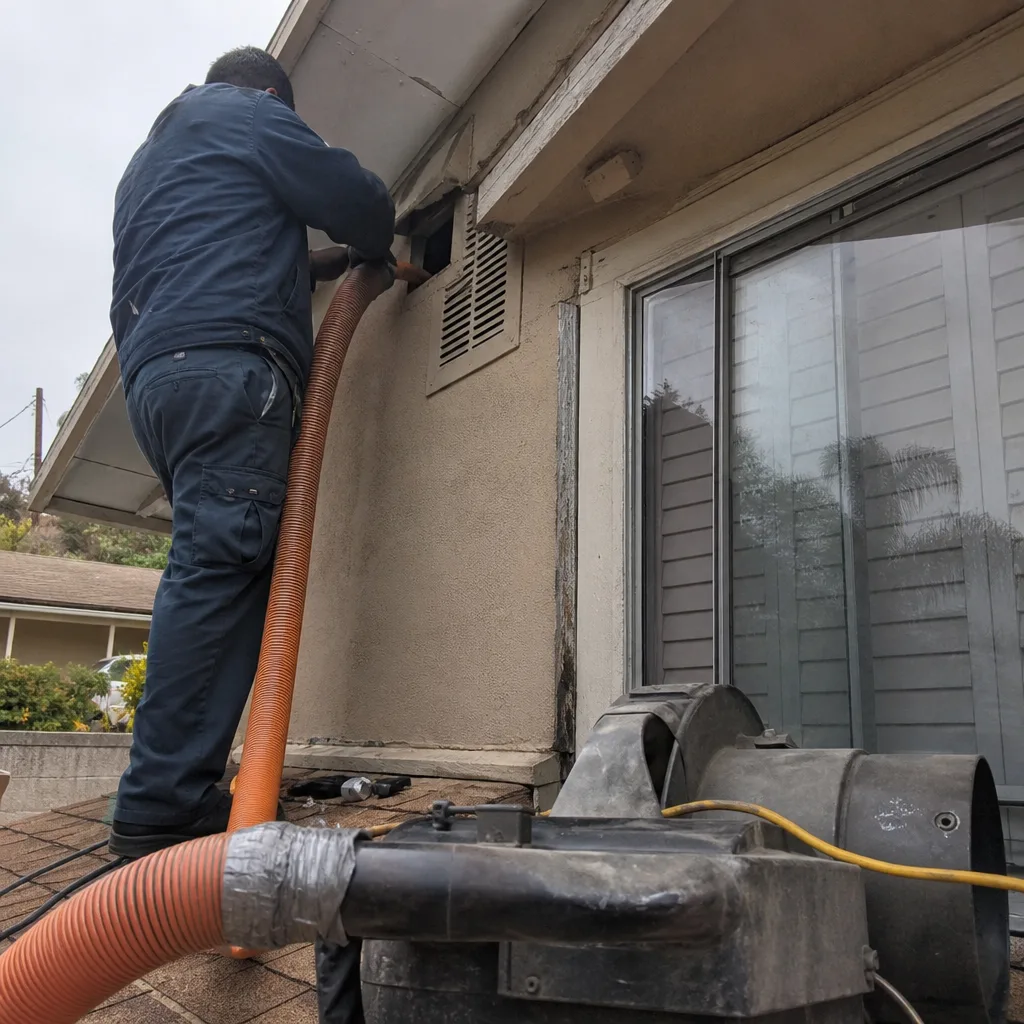 Before
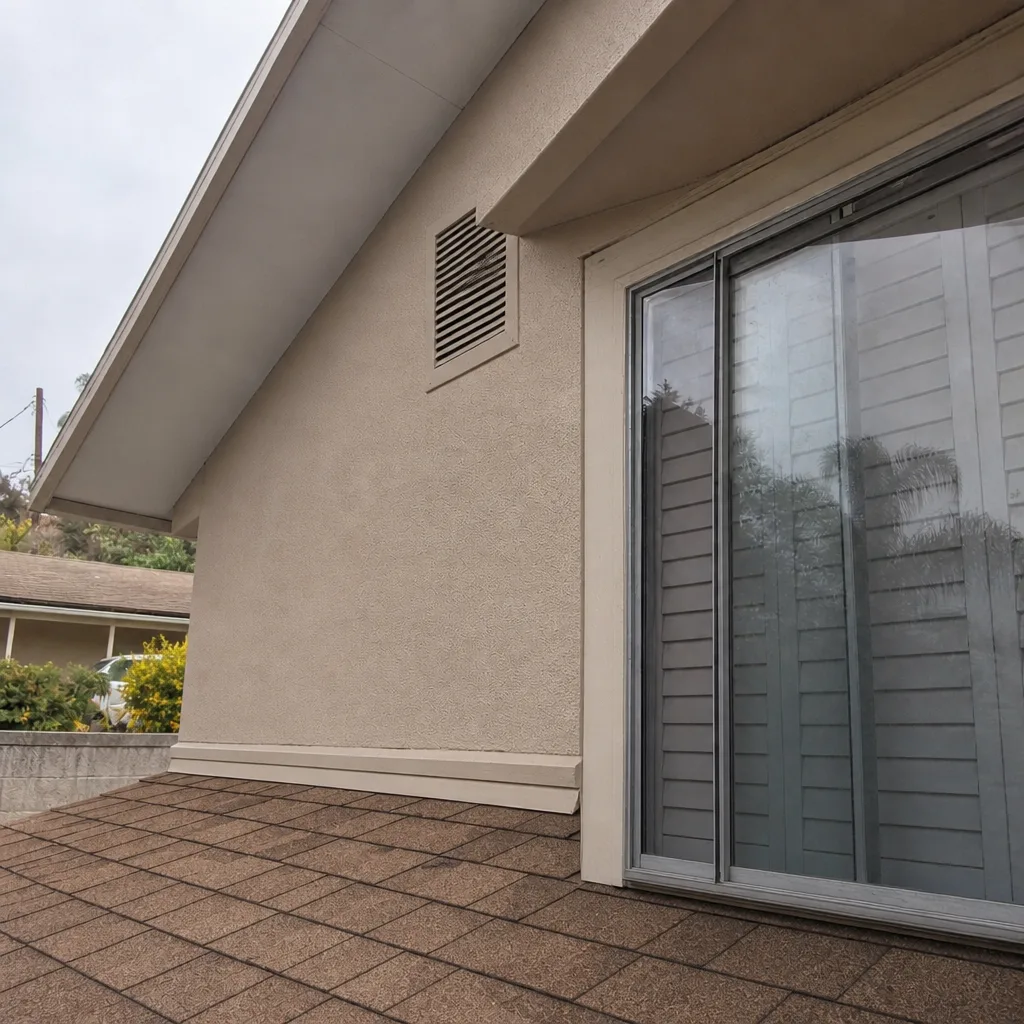 After
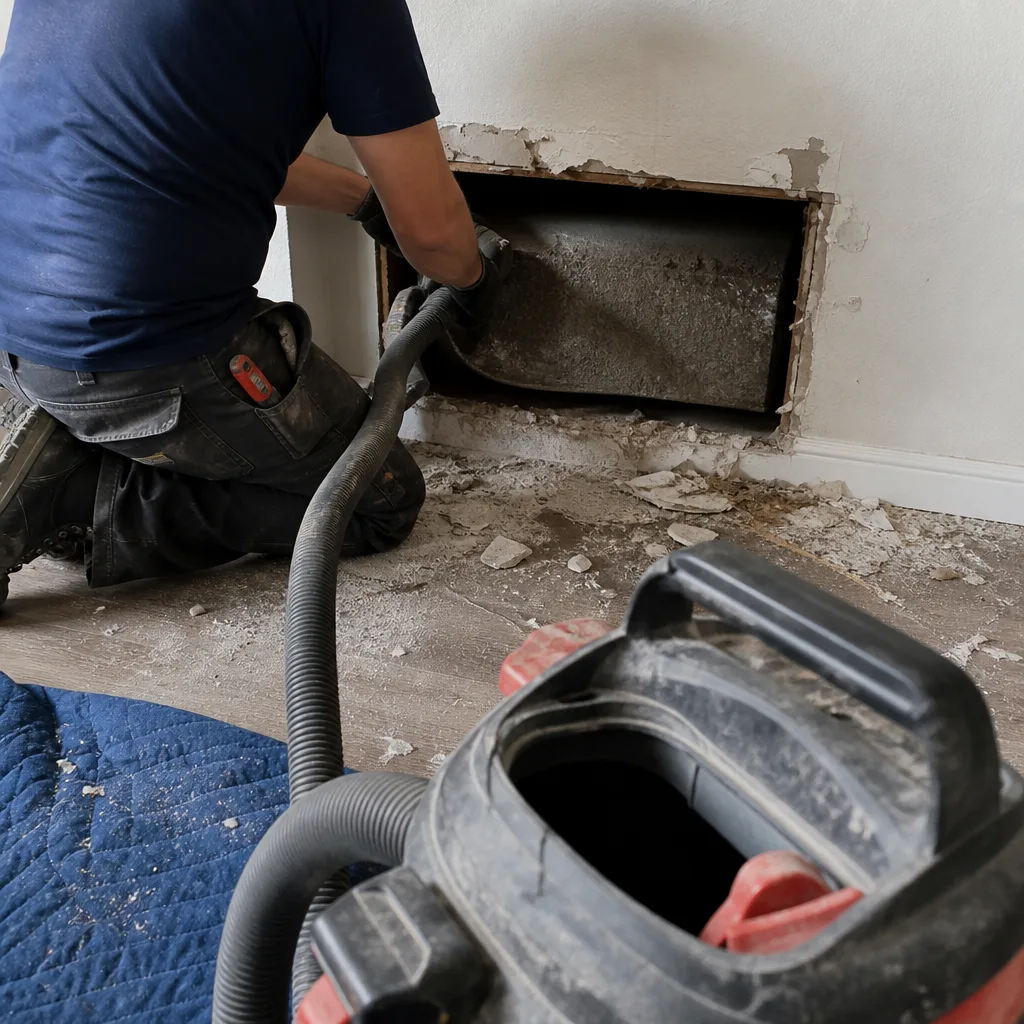 Before
 After
 Before
 After
Frequently Asked Questions
Get the ducts inspected within two weeks of the event if the smoke lasted more than a day or two. The system itself should be shut down during the event, then inspected as soon as the air clears. If you had visible deposits, lingering odor, or fast-loading filters after the event, don’t wait the full two weeks; schedule the inspection as soon as you notice the symptoms. Call (844) 443-3974 for an exact quote; estimates are free.
Insulated flex duct that took on water should be replaced, not cleaned. Rigid metal duct that dried within 48 hours can usually be cleaned and sanitized. The deciding factor is the 48 – 72 hour window; past it, mold has typically started in the insulation, and cleaning can’t reach it. Call (844) 443-3974 and we’ll inspect the affected runs with a moisture meter before recommending either path.
Only if the inspection shows a separation or a displaced plenum. If your joints are intact and the system runs normally, an earthquake alone doesn’t warrant cleaning. If a joint opened, debris can enter the run and attic or crawlspace air can enter the supply; that’s when cleaning and sealing matter. Call (844) 443-3974 for an inspection if you’re unsure.
Often, yes, if the contamination ties to a covered event and you have documentation. Insurance decisions vary by policy, so we can’t promise a specific outcome, but we can give you the written inspection report and photographs that insurers ask for. Our reports include pre-cleaning photographs, moisture readings where relevant, and a clear scope of work. Call (844) 443-3974 to schedule the inspection.
MERV-13 is the practical choice for most homes here. It captures fine smoke particles without restricting airflow on a typical residential system. Higher MERV ratings exist but often strain standard blowers. For households with allergy or asthma concerns, Honeywell and Aprilaire filter cabinets handle deeper media and get more out of the same MERV rating. Call (844) 443-3974 if you want a filter cabinet assessment.
Not effectively for heavy contamination, and not safely for the system’s internal components. Consumer vacuums and shop vacs agitate debris without capturing it; some of it ends up in the living space. Professional systems like Rotobrush and Nikro are built around containment and mechanical agitation, which is what actually removes deposits from duct walls. Call (844) 443-3974 for a free estimate.
The Bottom Line
Every emergency in San Juan Capistrano leaves its own signature on your ductwork, and each one calls for a different response. Smoke wants a system shutdown and a filter inspection before anything else. Water wants the 48 – 72 hour window respected, because soaked insulation can’t be cleaned. An earthquake wants a joint and plenum inspection before the fan runs again. And all three of them want the same preparation now: higher-MERV filtration, sealed return plenums, baseline photographs, and a documented report from a technician. The work you do before the event is what limits the work after it. Our technicians have up to 15 years of experience with commercial-grade Rotobrush and Nikro systems, and every job gets one flat price per system agreed before work starts, with before-and-after photos of your own ducts. Call (844) 443-3974 for a free estimate. We answer 24/7. Fast dispatch from 7am to 7pm, Sunday through Friday.
Written by the team at San Juan Capistrano Air Duct Cleaning Pros.