
Last updated November 24, 2026
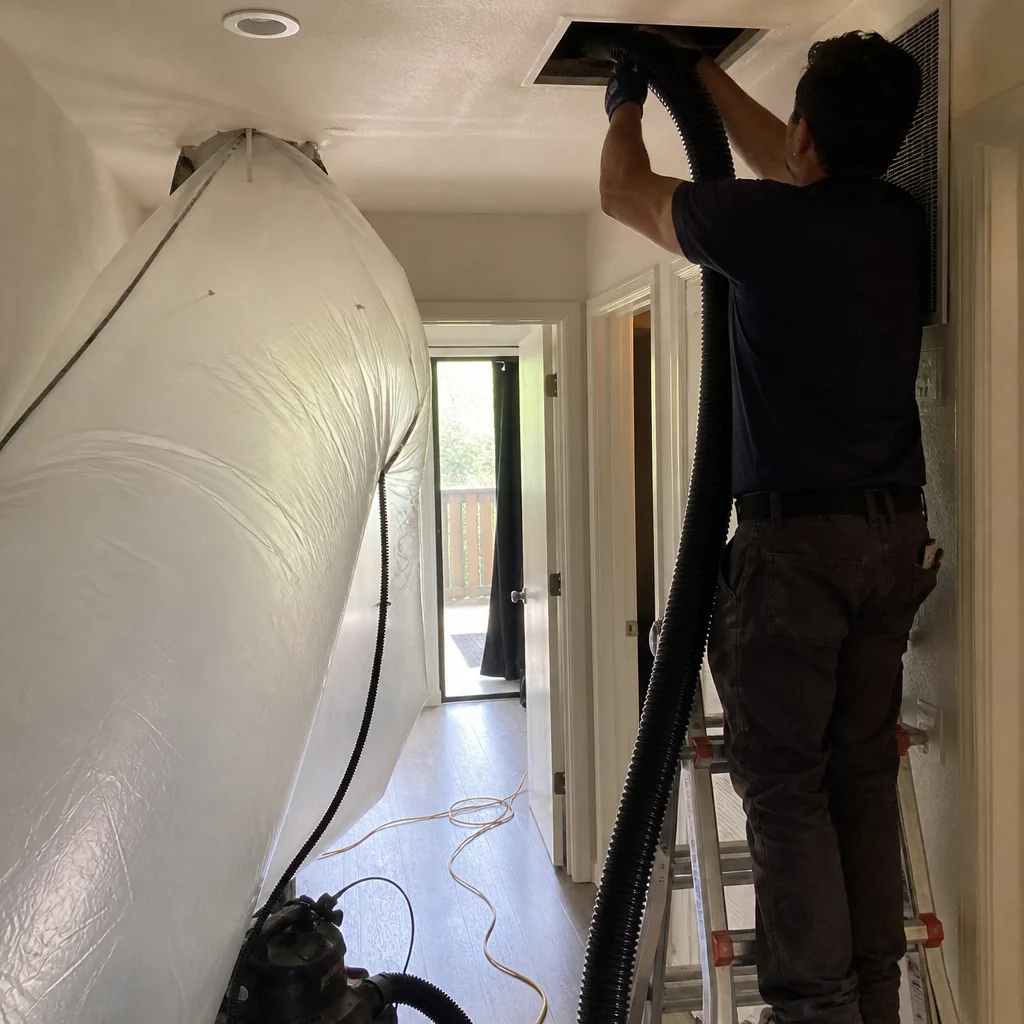
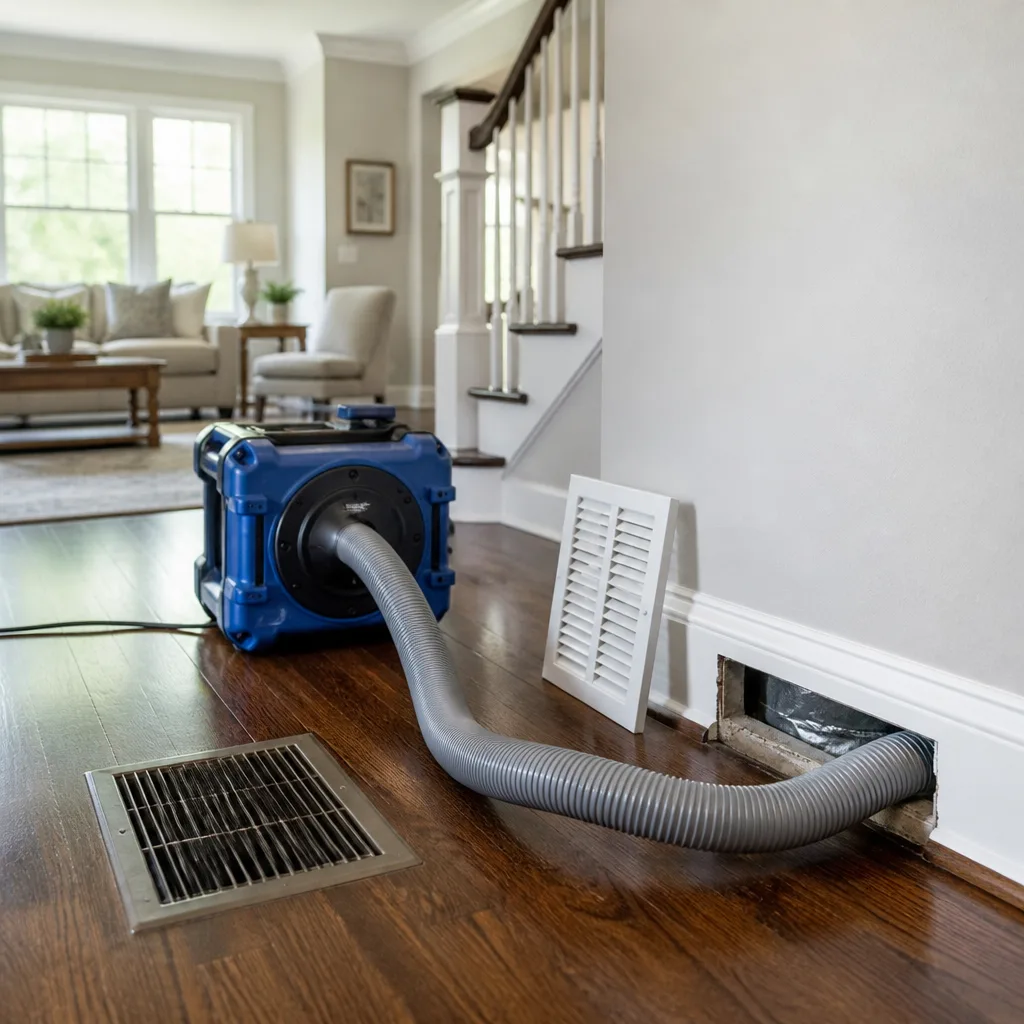 Whole-home duct cleaning
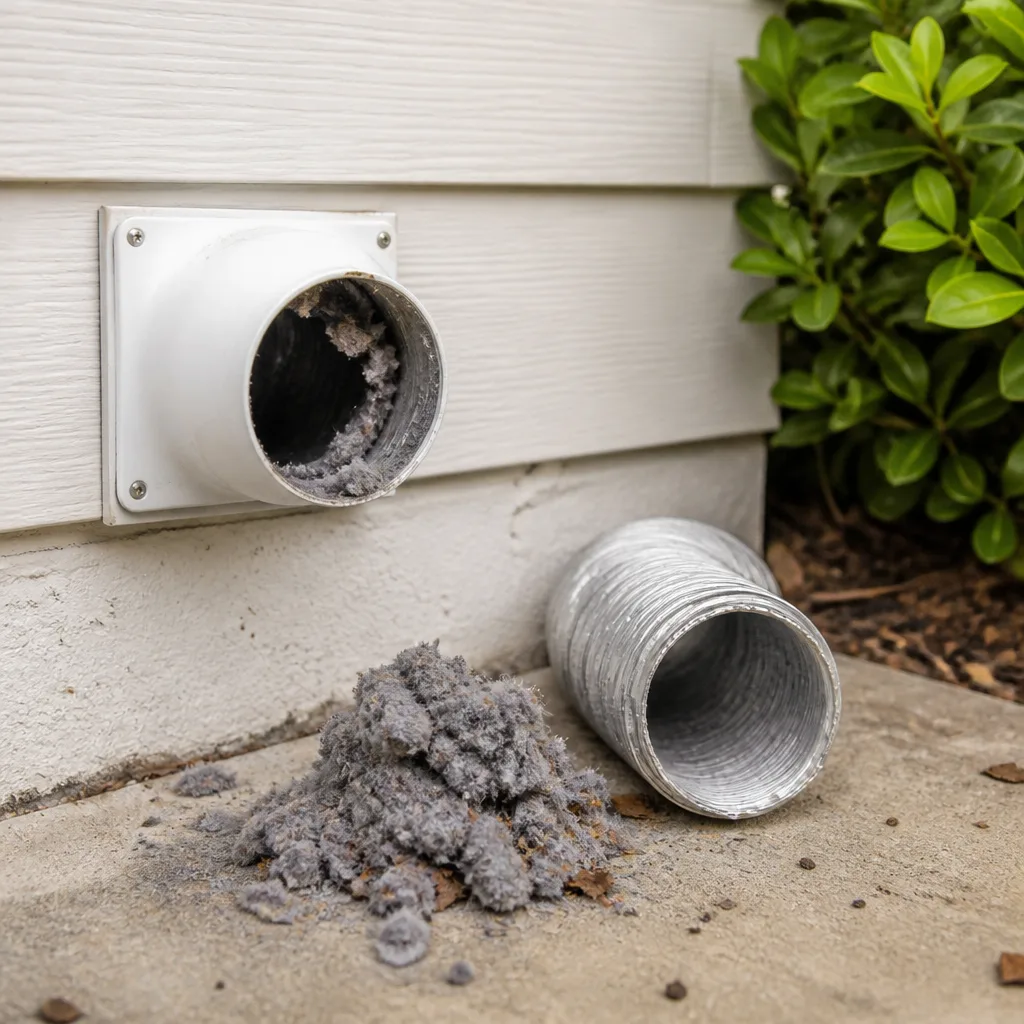 Dryer vent cleaning
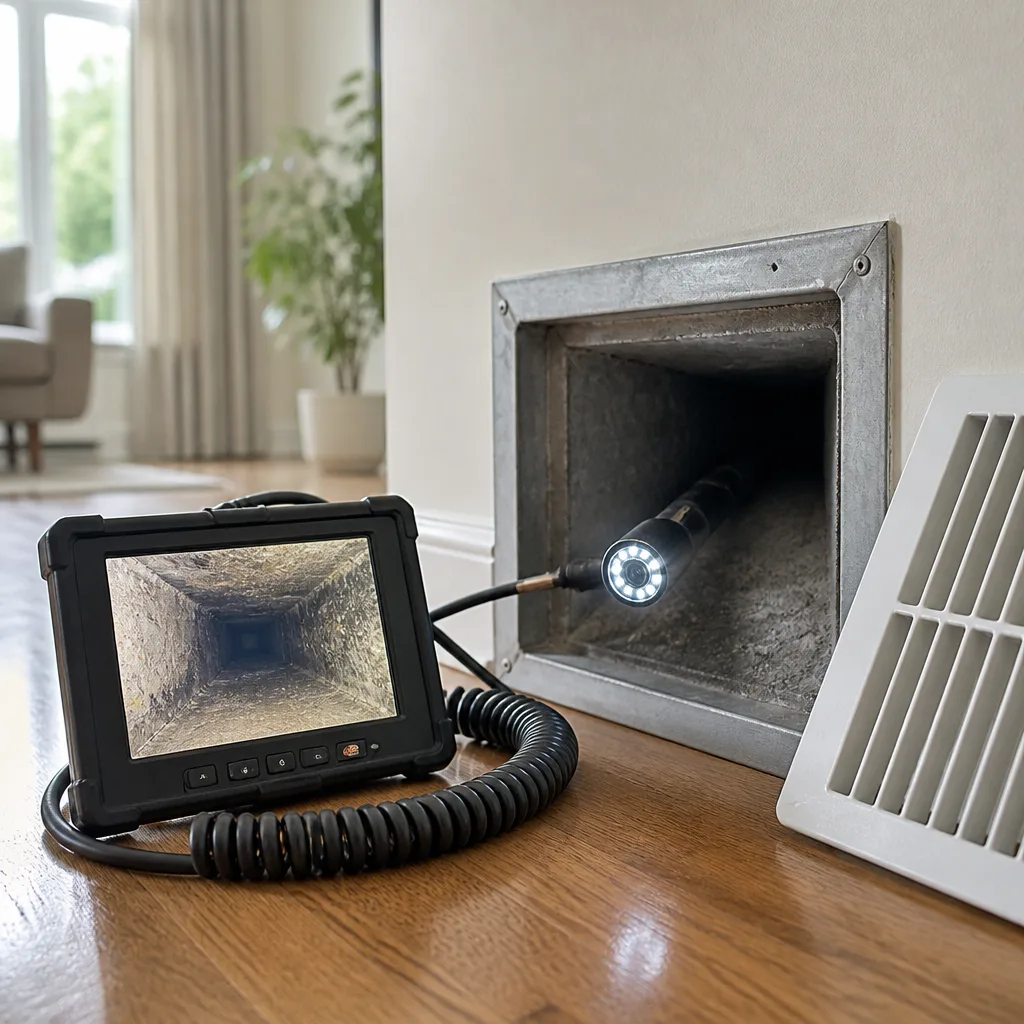 Camera inspection
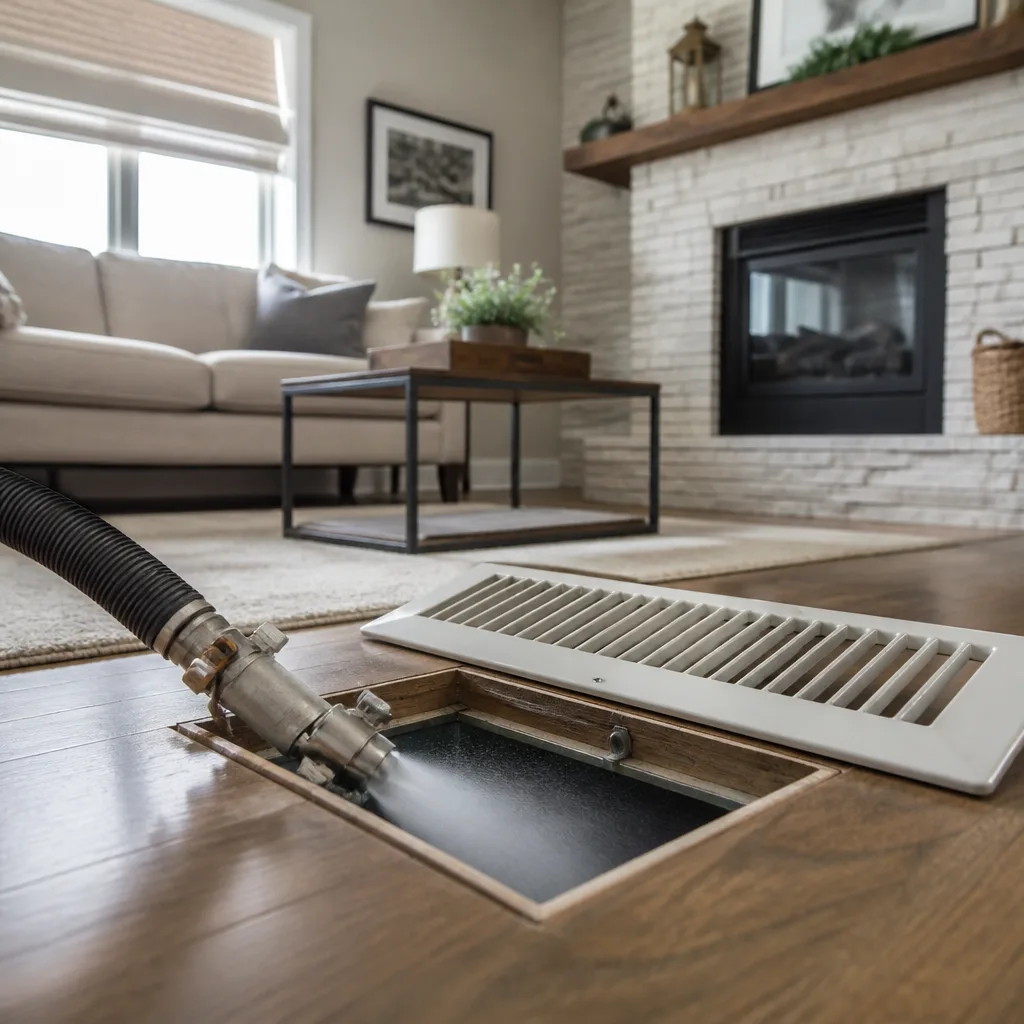 Sanitizing & deodorizing
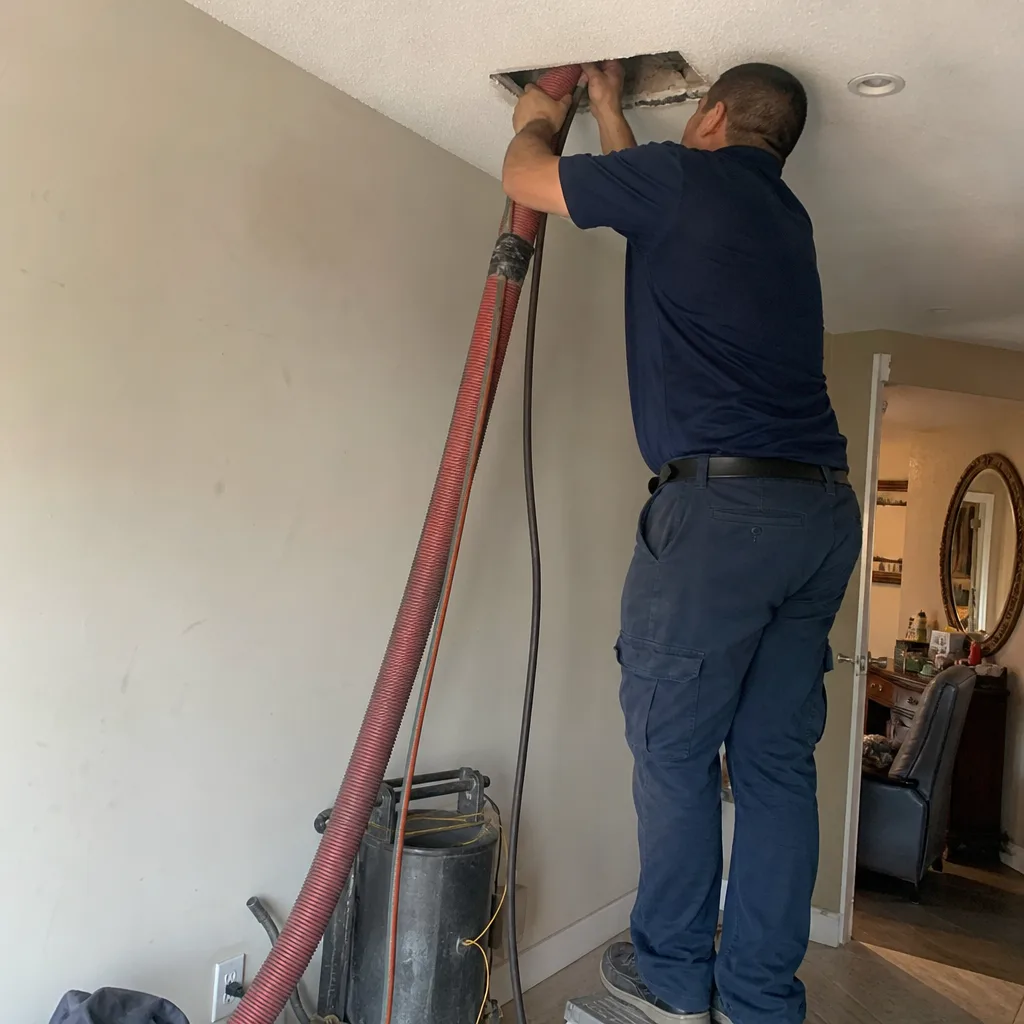
Whole-system duct and dryer vent check with before-and-after photos - you see exactly what came out of your vents
That "$99 whole-house special" is a bait ad - the real number appears once they are in your hallway, or the "clean" is a shop-vac at the register. We photograph the inside of your ducts before and after instead.
Air Duct Cleaning Troubleshooting in San Juan Capistrano: Common Problems and How to Fix Them
Cleaning the ducts again rarely fixes a duct problem. That sounds backward for a page written by people who clean ducts for a living, but it’s the single most useful thing we can tell San Juan Capistrano homeowners. Weak airflow, musty smells, and rooms that never seem to reach the thermostat’s number usually trace back to a mechanical fault or a hidden contamination source, not to dust sitting on duct walls. Cleaning a system that’s sucking air from a crawlspace just means you’ll be cleaning it again. This guide teaches you to read your system’s symptoms the way a technician does, separate the mechanical from the contamination causes, and know which fixes you can handle yourself.
Quick Answer
Most air duct problems in San Juan Capistrano come down to one of two things: contamination (dust, biofilm, or debris inside the ductwork) or a mechanical fault (separated duct sections, crushed flex duct, or leaking register boots). The symptom alone won’t tell you which. Musty odor, uneven room temperatures, and rising utility bills each have a distinct diagnostic path, and the fix depends on identifying the cause before any cleaning begins. A register-level check settles the easy cases; a camera inspection settles the rest.
Styles & brands we work with
- Whole-home duct cleaning
- Dryer vent cleaning
- Camera inspection
- Sanitizing & deodorizing
Table of Contents
- Contamination vs. Mechanical: Telling the Two Apart
- Troubleshooting Musty Odor
- Troubleshooting Uneven Room Temperatures
- Troubleshooting Spiking Utility Bills
- Why San Juan Capistrano Systems Fail Differently
- When You Need a Camera Inspection vs. a Visual Check
- What You Can Fix Yourself vs. What Needs Professional Equipment
- The Dryer Vent Problem Homeowners Overlook
Contamination vs. Mechanical: Telling the Two Apart
Every duct problem falls into one of two boxes, and mixing them up is why people waste money on repeat cleanings. Contamination is material that shouldn’t be in the airstream: settled dust, debris left from construction or remodeling, microbial growth (biofilm), or allergens. Mechanical is anything that breaks the system’s ability to move air to the right place: a duct run that’s pulled apart at a joint, flex duct crushed behind drywall, or a register boot that no longer seals to the floor or wall.
Here’s the rough test we walk homeowners through before any cleaning is scheduled:
- Does the problem show up in one room or the whole house? A single affected register usually points to a mechanical fault local to that run. A whole-house complaint is more often contamination or a system-wide pressure problem.
- Does the symptom change with weather or season? Odor that intensifies when humidity climbs leans toward a moisture or biological cause. Airflow that’s weak regardless of season leans mechanical.
- Did anything change recently? Remodeling, a new roof, added insulation, or a duct replacement in one room can leave debris or a disturbed connection. That’s a strong contamination-or-boot clue.
- Is there a smell that only shows up when the system runs? A musty odor that starts with the blower is a material being drawn into the airstream, which means you should look for the entry point, not just the duct interior.
In our experience across San Juan Capistrano, the two causes often coexist: a small mechanical leak pulls contaminated air in from an unconditioned space, and the duct interior picks up growth from the constant moisture. That’s why we clean, repair, and seal as one scope rather than treating cleaning as the whole job.
Troubleshooting Musty Odor
Musty smell is the symptom homeowners misread most. It rarely means the ducts are full of mold. It usually means outside air (often from a crawlspace, attic, or wall cavity) is being pulled into the return side through a gap. The duct walls themselves can be clean, and the smell keeps coming back anyway.
Walk the diagnostic in this order:
- Run the fan only, no cooling or heating. If the musty smell arrives within a minute or two of the blower starting, the odor source is in the airstream. If it arrives only when the AC runs, suspect the evaporator coil, condensate pan, or a wet cabinet.
- Sniff each supply register individually. A single offending register narrows the search to that run. If every register smells, the problem is upstream in the return or the air handler closet.
- Check the return-air path. In older San Juan Capistrano homes, the return often runs through a wall cavity or a panned floor joist that isn’t sealed. Any gap in the panned cavity pulls crawlspace or wall air into the system.
- Look at the coil and drain pan. A pan that doesn’t drain fully holds standing water. That’s the biofilm question more than the duct-interior question.
- Check the register boots. A boot that’s separated from the subfloor or wall delivers air from the wrong place. It’s one of the most common sources of odor we find.
If every sniffer test comes back clean but the smell persists, a negative-pressure camera inspection is the right next step so you can see inside the run rather than guess. The air duct cleaning service includes that inspection, and the outcome often points to a sealing job rather than a cleaning job.
Troubleshooting Uneven Room Temperatures
Rooms that never reach the thermostat setpoint are almost always a duct-balance problem, not a cleanliness problem. Air is being lost, blocked, or delivered in volumes the room’s design never accounted for. Cleaning dust out of a balanced system won’t fix a room that’s short on airflow.
Here’s the sequence:
- Feel the register. Strong airflow and correct temperature in one room while another is weak is a classic delivery problem. Weak airflow and cold supply air at the same register points to a crushed or disconnected run.
- Compare supply registers across the house at the same time. Rooms on the far end of the system are more sensitive to a small leak. That’s a proportion, not a rule, but it’s a useful clue.
- Check for closed or blocked dampers. Some systems have balancing dampers at the trunk. A partly closed damper starves everything downstream of it.
- Look at the return side. A single return serving a house with many bedrooms can short-cycle. In pre-1990 tract homes around Forster Ranch, we often find that a room was repurposed (added as an office or an in-law suite) without revisiting the duct layout.
- Confirm the flex duct hasn’t collapsed. Crushed or sagging flex duct in an attic isn’t visible from a register. A camera inspection is the only reliable way to catch it.
Once the cause is identified, the fix is usually mechanical: reconnecting a boot, replacing a crushed run, or rebalancing. Cleaning comes after, so the system can move clean air where it’s supposed to go.
Troubleshooting Spiking Utility Bills
A rising bill can mean many things, and jumping to “the ducts are dirty” skips a whole set of cheaper checks. The useful question is whether the system is working harder than it should because air is lost to an unconditioned space.
Work this checklist before you call anyone:
- Compare the bill to the same months last year, not to last month. Weather drives this number, so month-to-month comparison misleads.
- Note when the system runs longer than it used to. A system that used to reach setpoint in 20 minutes and now takes 40 is losing air somewhere.
- Walk the attic or crawlspace for visibly loose ducts. Flex duct that’s come off a collar or a boot that’s separated is the #1 efficiency killer we find in San Juan Capistrano homes, and it’s a repair job rather than a cleaning job.
- Check the filter. A clogged filter makes the blower work harder and can push you into a longer runtime. Some filter housings accept a Honeywell or Aprilaire filter with a higher MERV rating than the system was designed for, and that can restrict airflow if it wasn’t considered at install.
- Check insulation on runs through unconditioned space. Insulated flex duct works. Bare duct in a hot attic doesn’t, and it forces the system to run longer.
- Look at the coil and filter door for air leaks. A gap at the filter door or cabinet seam is a straight loss.
If everything above checks out and the bill still climbs, that’s a sign to get the ducts looked at as a whole system, not as a cleaning line item.
Why San Juan Capistrano Systems Fail Differently
San Juan Capistrano’s climate and housing stock create failure patterns that inland Southern California homes don’t share in the same way. Winters here are mild, so the heating side of the system gets less runtime and more sits idle than in colder zones. Cooling is the dominant load, and the system works through long, moderate runs rather than extreme bursts.
Two local factors matter most:
- Humidity in the air the system pulls in. When a return is open to a crawlspace or a wall cavity, it’s drawing humid outside air into the system. The ducts and the air handler then stay wetter than they should, and moisture is the pre-condition for biofilm and musty odor. That’s why we treat sealing as part of air quality work, not as a separate repair.
- Pre-1990 tract housing, especially around Forster Ranch. Homes built in that era often have original flex duct runs, panned returns through the floor structure, and register boots that were sealed (or not sealed) to builder tolerances. Thirty-plus years of small movement, settling, and remodel work pulls those seals apart. The system doesn’t fail dramatically; it starts bypassing air from places it shouldn’t, and the symptoms show up as musty odor, uneven rooms, and longer runtimes.
Newer San Juan Capistrano homes aren’t immune, but the failures usually come from work done after construction: a bathroom remodel that displaced a register, an added closet that crushed a run, or a replaced air handler with the plenum installed with the wrong gasket. When we walk a system in San Juan Capistrano, we expect to find one or two of these before we find a genuinely dirty duct interior.
When You Need a Camera Inspection vs. a Visual Check
A visual check at the registers is often enough to identify a filter problem, a closed damper, or a boot that’s visibly loose at the floor. There’s no reason to pay for a camera inspection before you’ve done that basic pass yourself. Bring out a camera and the question changes from “is something wrong?” to “where exactly is it wrong?”
Here’s how to know which you need:
- Visual is sufficient when the symptom is confined to one room, the register boot is reachable and visibly disconnected, you can see dust plumes coming off a single register, or the problem appeared right after a specific remodel.
- Camera inspection is the right next step when the symptom is whole-house, the cause is invisible from the register (weak airflow, musty odor, or a room that won’t cool), you’ve cleaned before and the problem returned, or the ducts are behind finishes with no access panel.
Our camera inspection uses a negative-pressure setup, meaning the system is held under controlled pressure while the camera traces each run. That setup does two things simultaneously: it puts a whole-system view in front of you before any cleaning starts, and it prevents disturbed debris from being pushed back into the living space. The negative-air side is why we use Abatement Technologies equipment for inspection and remediation work; it’s the same category of gear used in commercial remediation, where controlling where the particles go matters.
If you’re ready to schedule an inspection rather than guess, the San Juan Capistrano Air Duct Cleaning Pros page is the place to start.
What You Can Fix Yourself vs. What Needs Professional Equipment
Not every fix needs us. Some problems are simple resident fixes; the question is knowing which is which. Here’s a clear split.
Fixes a homeowner can usually handle
- Replace the HVAC filter at the correct size and MERV rating for the system.
- Open and close balancing dampers to see whether the room-level temperature changes accordingly.
- Reseat a register grille that’s fallen loose, and confirm the screws or clips are holding.
- Reattach a visibly disconnected register boot (with a sealing tape or mastic rated for the application, not duct tape).
- Clear visible debris from around the air-handler cabinet and filter door.
- Vacuum the return grille with a household vacuum.
Fixes that need professional equipment
- Any problem inside a duct run that isn’t visible at a register. That’s a camera-and-cleaner job.
- Ducts that have separated in an attic or crawlspace, or flex duct that’s collapsed or crushed. That’s a repair-and-seal job.
- System-level contamination: biofilm, dried construction debris, or allergens that have coated the duct walls. Handheld vacuums don’t do this; a rotary-brush system like Rotobrush works the walls mechanically and then extracts the debris with controlled pressure.
- Air quality upgrades after cleaning (filtration and humidity control) using products like Honeywell or Aprilaire that are sized to the system rather than dropped in.
- Anything touching the electrical panel, wiring at the air handler, or gas piping for the furnace. Electrical and gas work are not homeowner jobs.
One safety note, because it’s the one most often underestimated: opening an air handler cabinet or the filter door on some systems exposes line-voltage wiring and, on gas furnaces, a burner section that’s not safe to work around unless you’re trained. If the fix requires getting into the cabinet, that’s the point to call. Same for electrical panels: never open a dead-front panel to “check” a breaker yourself.
For the full scope of what we do, see the HVAC cleaning page, which covers the coil, cabinet, and blower, not just the duct runs. And if you want to talk through which of the above you’re facing, our technicians have up to 15 years of experience across residential and light-commercial systems, and they will tell you honestly if it’s a job you can do.
The Dryer Vent Problem Homeowners Overlook
Dryer vent lint is a fire hazard, and it’s the one part of the duct system most homeowners never look at. A dryer vent that’s clogged doesn’t just make laundry take longer; it places hot, lint-loaded air in direct contact with a heat source, which is the scenario fire investigators look for. It also isn’t part of the HVAC system, so it gets skipped when a home’s ducts are serviced.
Two quick household checks:
- Dryer runtime. If a load that used to finish in one cycle now takes two, or clothes feel hot and damp at the end, the vent is likely restricted.
- The exterior vent flap. With the dryer running, the outside flap should be open and pushing air. If it’s fluttering weakly or not moving at all, the line is restricted.
- Lint accumulation inside the door and around the drum is worth a look, but the critical build-up is in the vent run and the transition behind the dryer.
Dedicated dryer vent cleaning is part of our core menu because it’s a fire-safety service, not an add-on. If the vent line is long or has multiple elbows, that’s the case where the professional equipment matters most. A rotary brush run to the length of the line, followed by an inspection of the transition and terminations, is the scope we’d recommend.
Common Mistakes to Avoid
- Cleaning before diagnosing. Booking a cleaning without first identifying whether the problem is contamination or mechanical usually means paying twice. Clean after the cause is fixed, or clean as part of the same job scope.
- Treating a musty smell as a duct-interior problem by default. In our experience in San Juan Capistrano, the smell is more often air being pulled through an unsealed return or boot. Cleaning the duct walls doesn’t fix an open path.
- Using duct tape for a boot or joint seal. Standard cloth duct tape loses adhesion in warm attics and fails within a season. Use a sealing mastic or a foil-rated tape designed for ductwork.
- Paying per-vent prices from a phone quote. Per-register pricing tells you nothing about what will happen on site. Ask for a written whole-system estimate before any work, and read the scope to confirm it covers the return side, not just the supply runs.
- Skipping the dryer vent because “the ducts were done.” The dryer vent is a separate system from the HVAC ducts. If it wasn’t explicitly included in the scope, it wasn’t done.
- Assuming a higher-MERV filter is always better. A filter rated higher than the system was designed to handle restricts airflow and can shorten blower life. Filter selection belongs to the system’s design, not to a shelf label.
- Running the system during a remodel without covering the registers. Construction dust is a heavy contaminate in duct runs. Covering supply registers during drywall, sanding, or tile work saves a cleaning later.
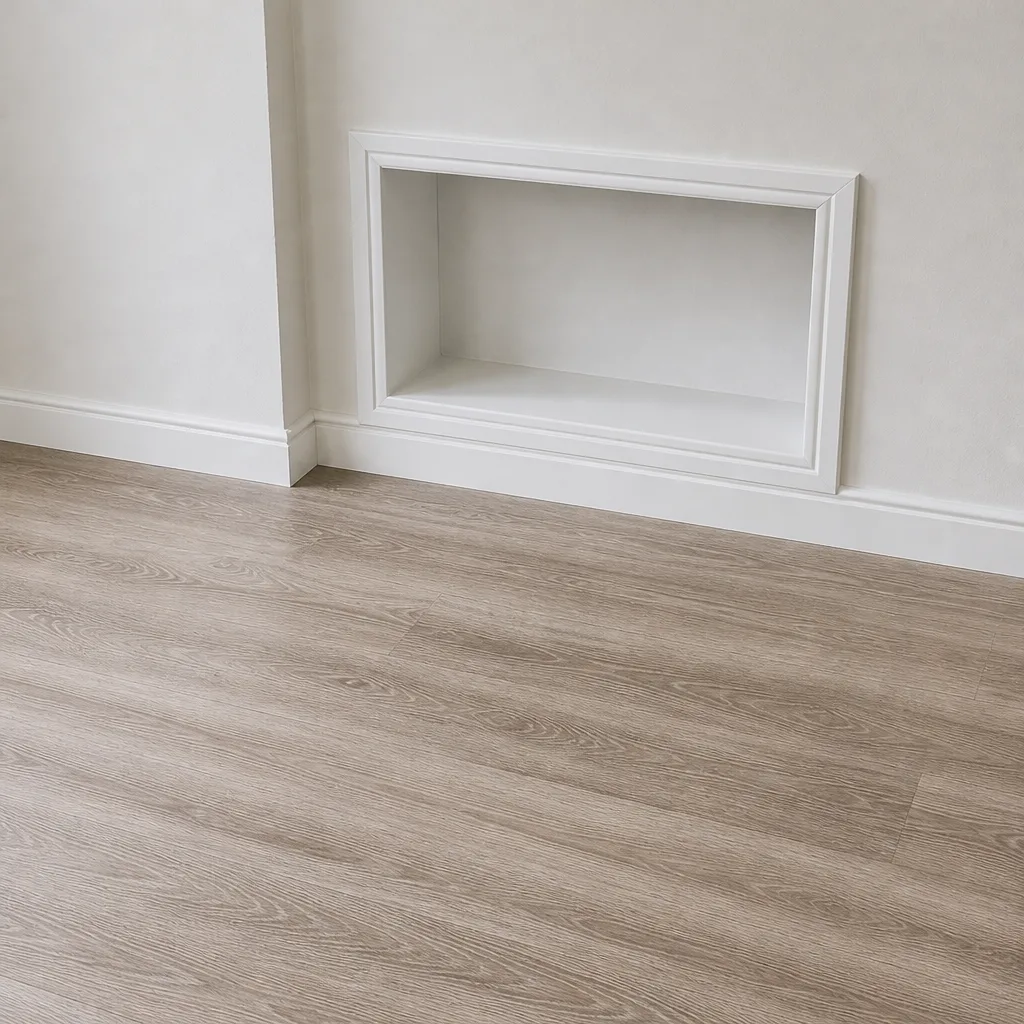
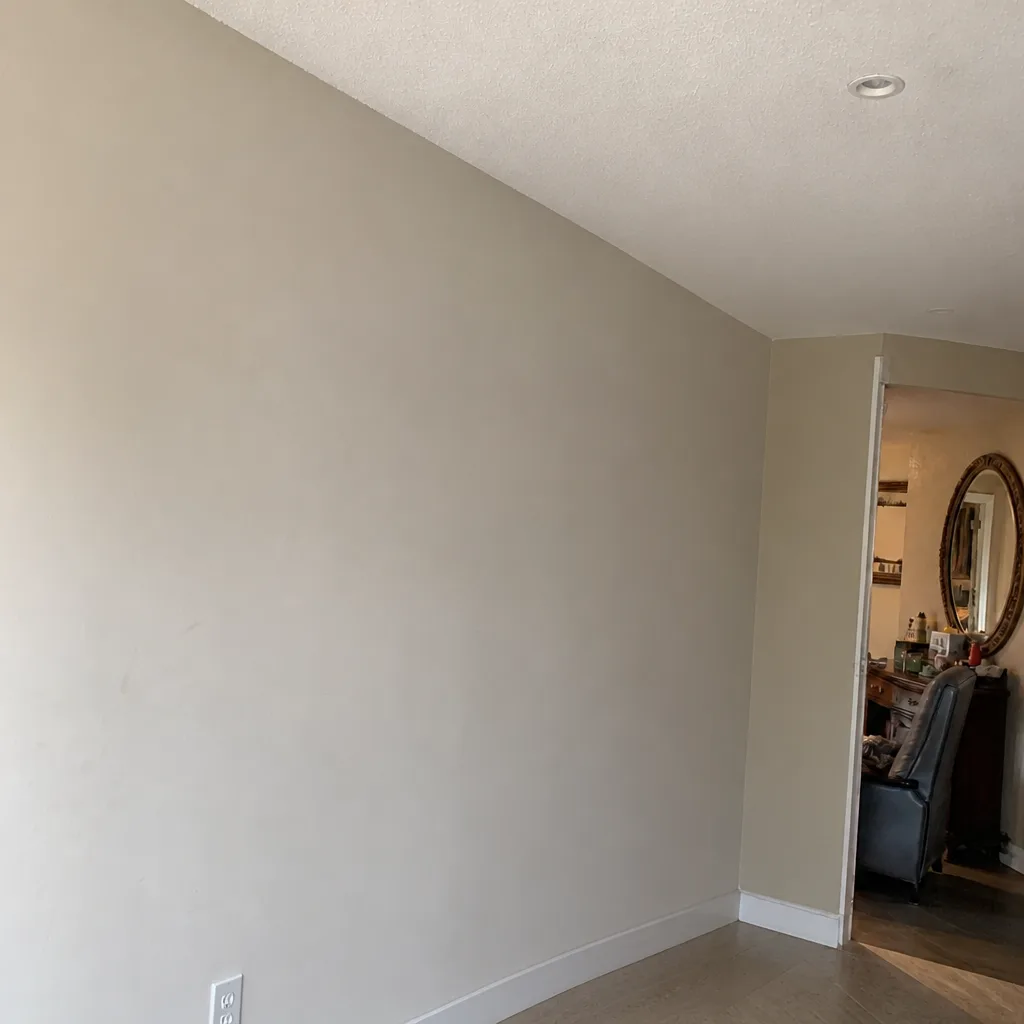
See the difference
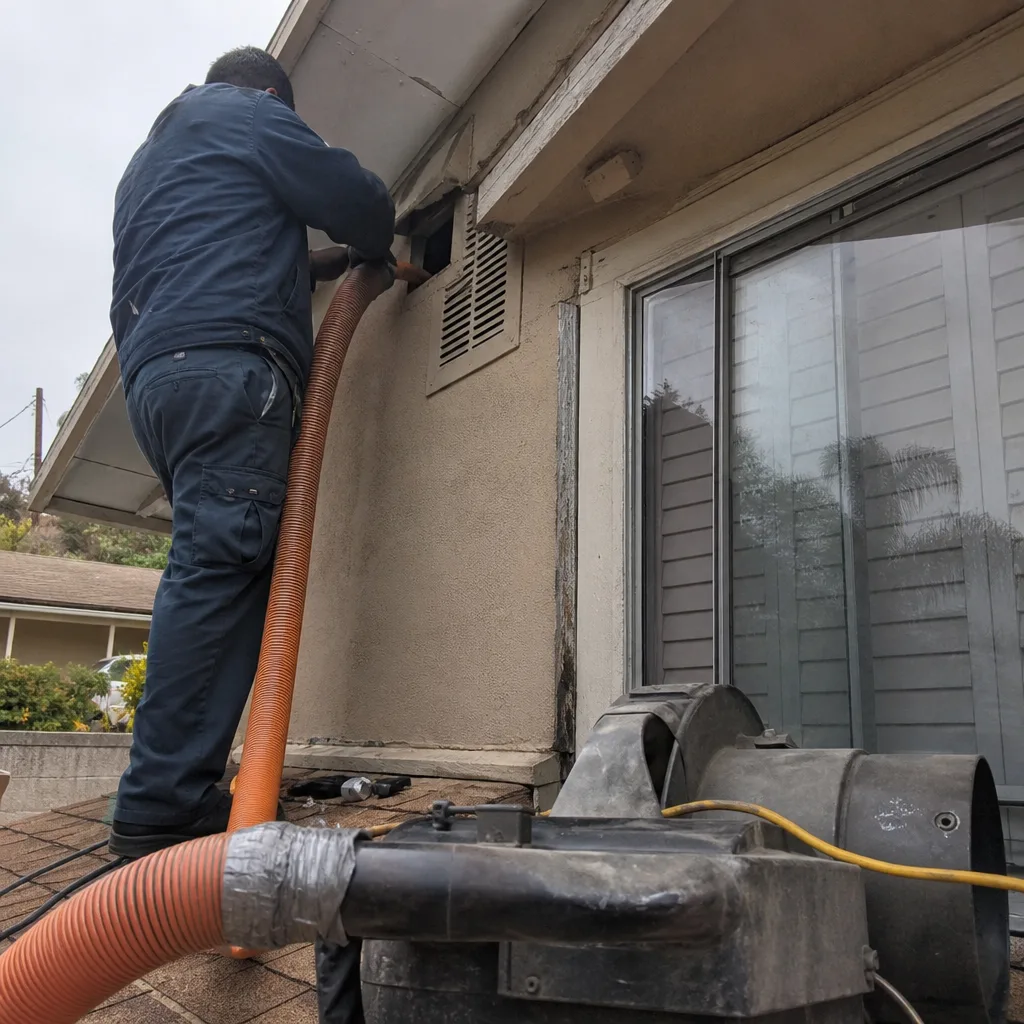 Before
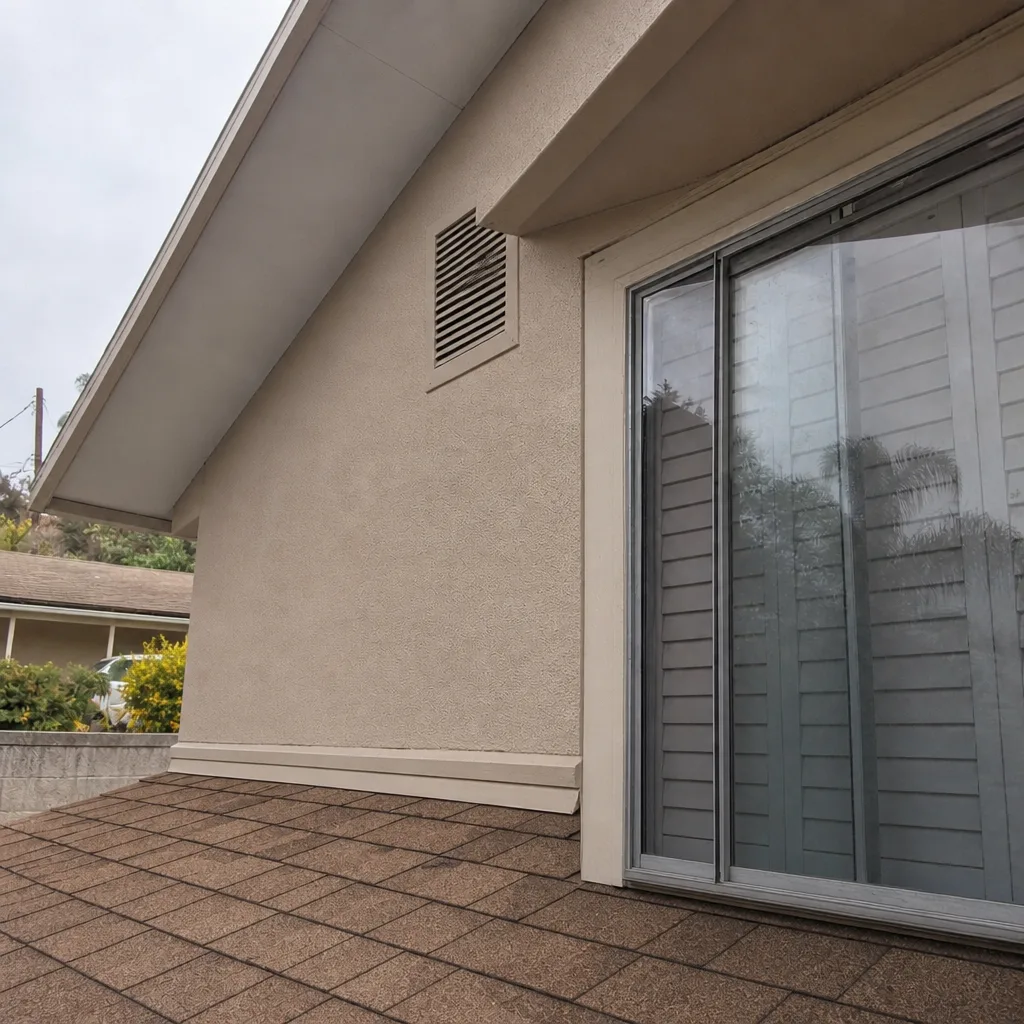 After
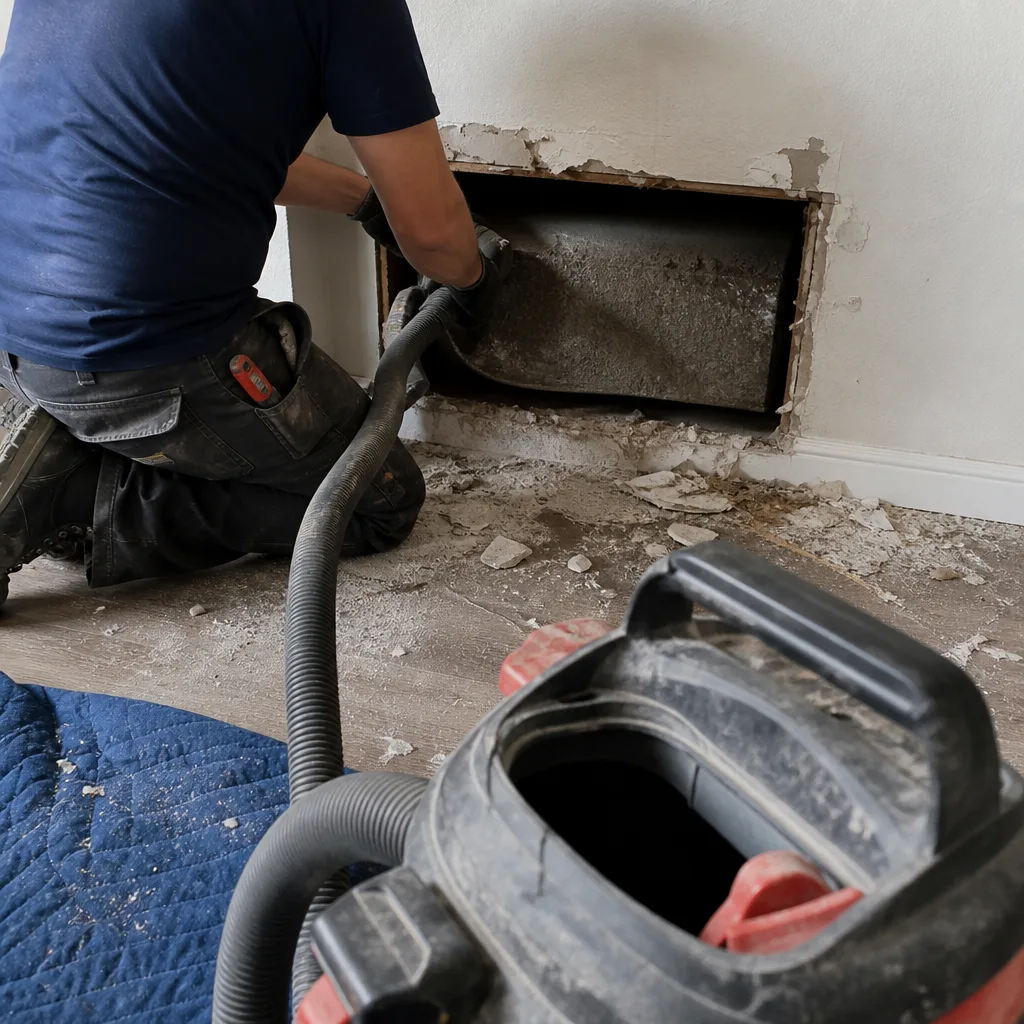 Before
 After
 Before
 After
When to Call a Professional
Call a professional when the cause isn’t visible from the register, when a whole-house symptom has no clear source, when you’ve cleaned before and the problem came back, or when the fix requires getting into the air handler cabinet or the attic duct runs. Any duct separation in a crawlspace or attic is a professional repair; so is a crushed flex run behind finished drywall. Electrical and gas work at the equipment belong to a licensed trade, and a homeowner should not open an electrical panel or a gas burner to diagnose. If the musty odor traces to a boot or return, the fix needs a proper seal, not just cleaning. If you’re not sure which category you’re facing, that’s the case where an inspection pays for itself.
San Juan Capistrano Air Duct Cleaning Pros offers free estimates in San Juan Capistrano. Call (844) 443-3974. We answer 24/7. Fast dispatch from 7am to 7pm, Sunday through Friday. The local pro is licensed and insured as their state requires, one flat price per system is agreed before work starts, and you’ll get before-and-after photos of your own ducts. The written estimate sets the final price.
Frequently Asked Questions
Pricing is set per system by a written estimate, and the estimate is free. A whole-system scope (all supply and return runs on a typical residential system) is quoted as one flat price rather than per vent, so the number doesn’t change when the technician counts the registers on site. Call (844) 443-3974 for an exact quote; estimates are free.
Low quoted prices usually cover a partial scope: supply runs only, no return side, no camera inspection, no sealing, and a per-vent line item that grows once the technician is on site. The industry has earned a bad reputation for exactly this pattern. Ask for a written whole-system scope that names what’s included, and expect one flat price. Call (844) 443-3974 and we’ll walk through a full scope; estimates are free.
Ask for before-and-after photos of your own ducts, taken during the job, and a written scope that lists each system component covered. A proper cleaning uses negative-pressure containment (Abatement Technologies equipment in our setup) plus mechanical agitation of the duct walls (Rotobrush), so the particulate count in the room doesn’t spike during the job. If the company can’t produce the photos, that’s the signal to keep looking. Call (844) 443-3974 to see a sample scope; estimates are free.
There’s no fixed interval that fits every home. The decision drivers are visible debris at the registers, a return that hasn’t been serviced since the home was built, a recent remodel, pets in the home, or a household with allergy or asthma concerns. Many San Juan Capistrano homes in the pre-1990 tract areas go much longer than they should simply because no one’s looked. A visual check on the returns is a reasonable starting point, and a camera inspection answers the question definitively. Call (844) 443-3974 and we’ll talk through which fits your home; estimates are free.
No, not when the cause is a leaking return, boot, or panned cavity. Cleaning removes material that’s already in the duct; sealing closes the path that keeps delivering new moisture and odor into the system. In our experience the two are usually one job. Our scope is clean, repair, and seal for exactly that reason. Call (844) 443-3974 to schedule an inspection; estimates are free.
San Juan Capistrano’s mild winters mean the heating side runs less and the system sits more, while the cooling side carries the load through moderate, long cycles. That pattern matters for humidity on the return side and for the condition of the flex duct runs in pre-1990 homes, particularly older tract stock around Forster Ranch. The failures usually come from unsealed returns and long-idle duct runs more than from the interior surfaces. Call (844) 443-3974 if the symptoms match; estimates are free.
What should I do while I wait for the appointment?
Keep the filter clean, leave the registers open, and don’t run the system during sanding or drywall work in the home. If you see a visibly loose register boot, don’t try to reseal it with standard duct tape; it will come back off. Note which rooms have the symptoms you’re seeing, and write down when they appear (fan only, cooling only, or both). That detail shortens the inspection. Call (844) 443-3974. We answer 24/7. A call outside dispatch hours is booked into the next opening, Sunday through Friday, 7am to 7pm.
The Bottom Line
Diagnose before you clean. That’s the whole guide in one sentence. Musty odor, uneven room temperatures, and climbing utility bills each have a distinct diagnostic path, and the fix depends on whether you’re looking at contamination or a mechanical fault. In San Juan Capistrano, the mechanical side shows up more often than the contamination side, especially in pre-1990 homes where original flex duct and panned returns have had decades to loosen. A camera inspection answers the question that a register check can’t. Once the cause is known, clean, repair, seal, and confirm with before-and-after photos. Then, and only then, is the cleaning worth booking.
If you’re ready to stop guessing, call San Juan Capistrano Air Duct Cleaning Pros at (844) 443-3974 for a free estimate. We answer 24/7. Fast dispatch from 7am to 7pm, Sunday through Friday. One flat price per system, agreed before work starts. The written estimate sets the final price.
Written by the team at San Juan Capistrano Air Duct Cleaning Pros.