
Last updated November 24, 2026
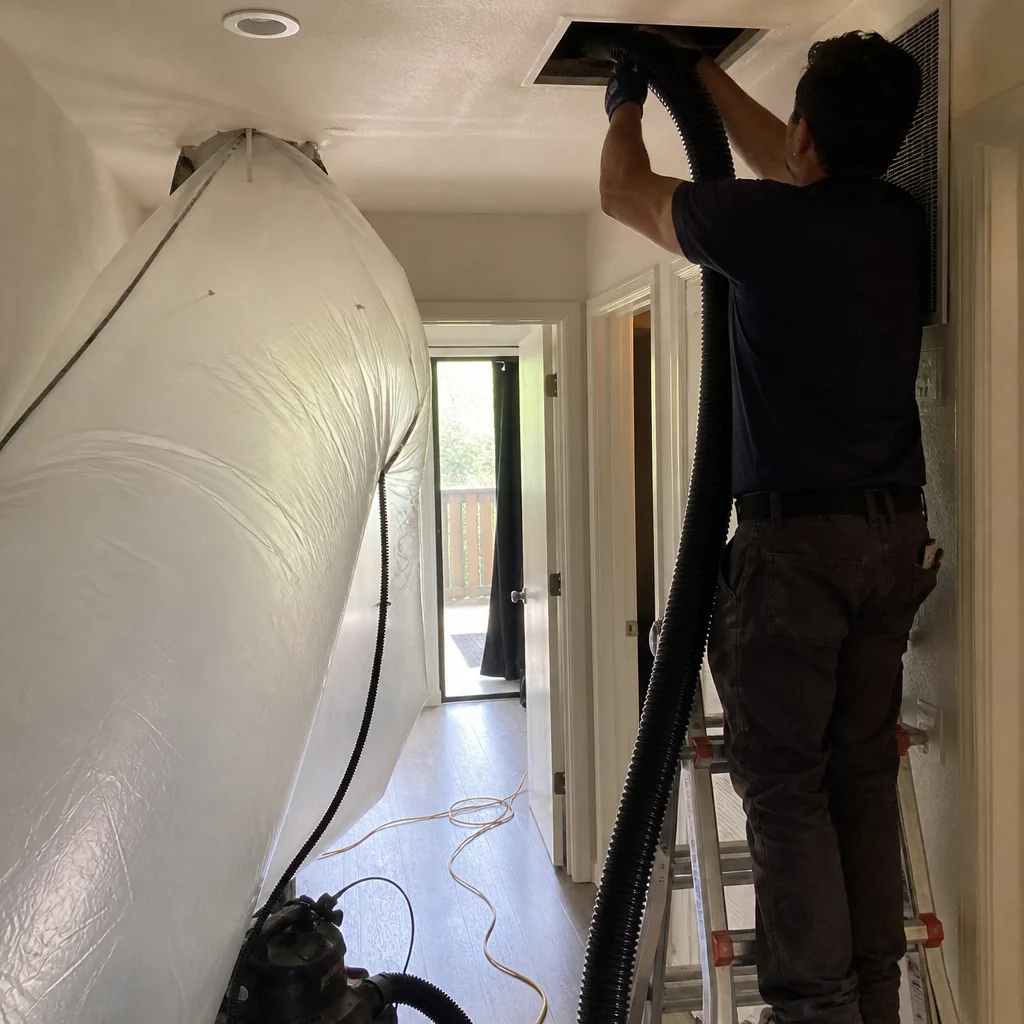
 Whole-home duct cleaning
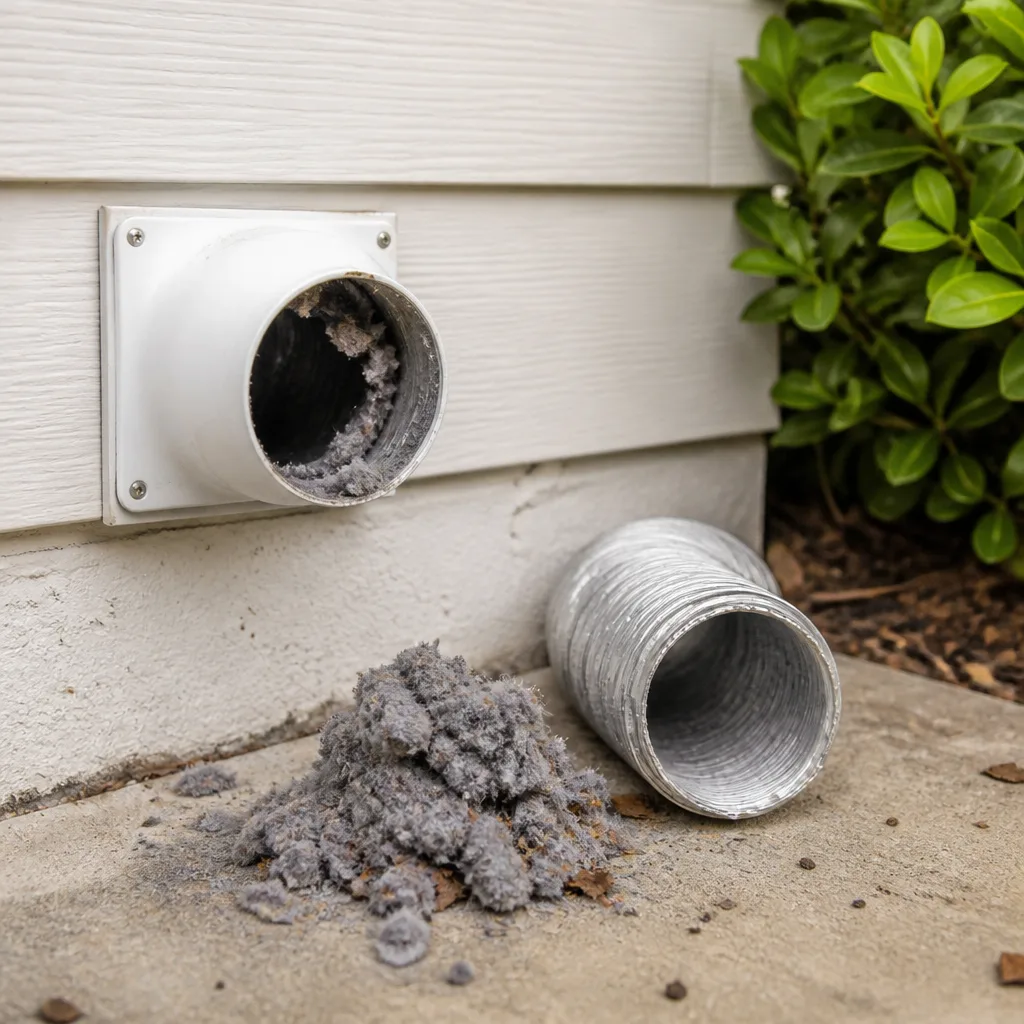 Dryer vent cleaning
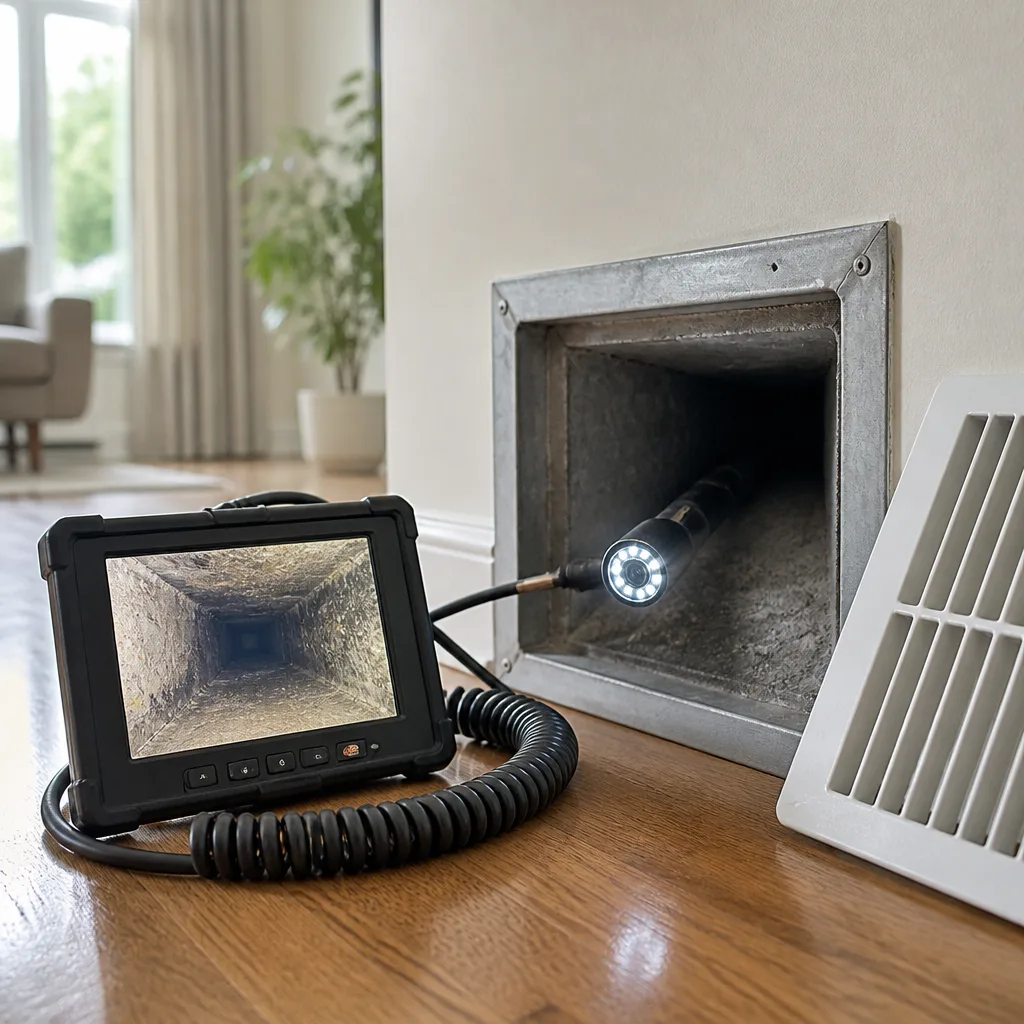 Camera inspection
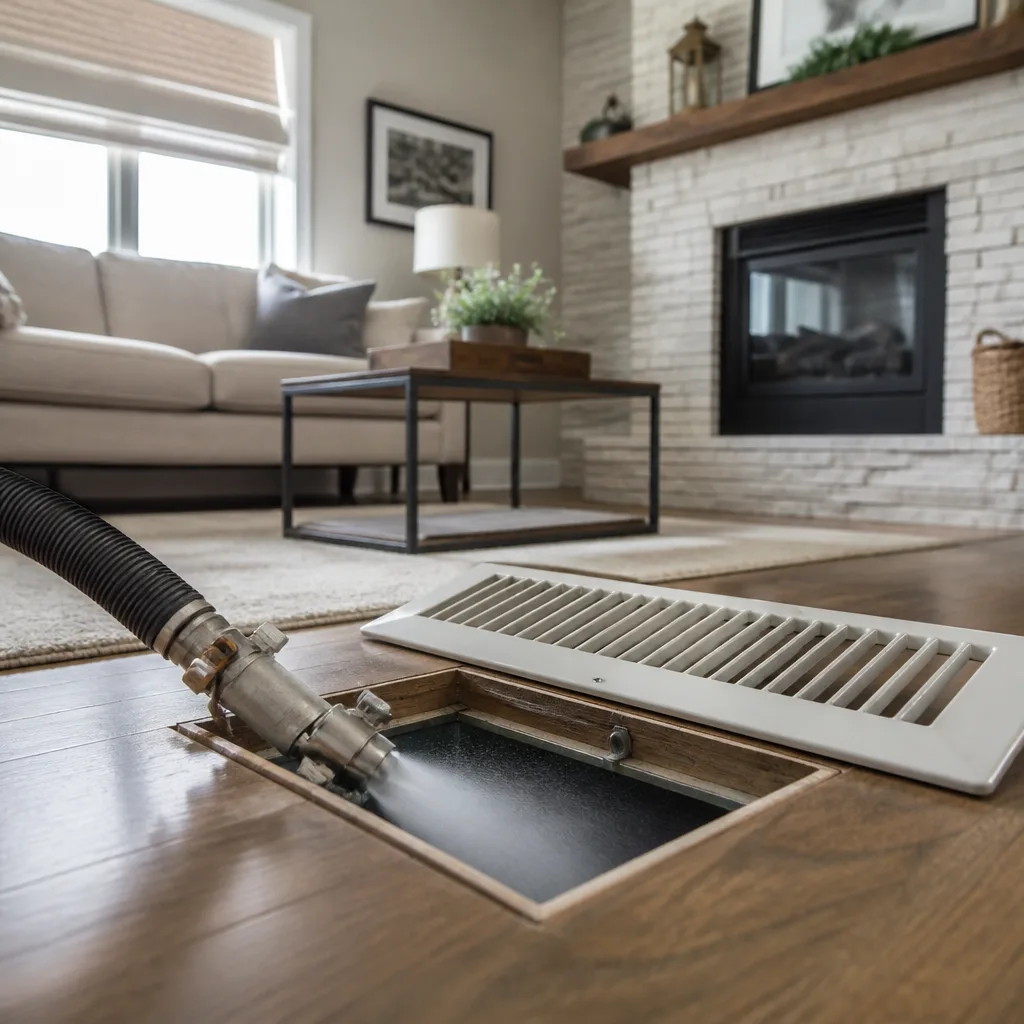 Sanitizing & deodorizing
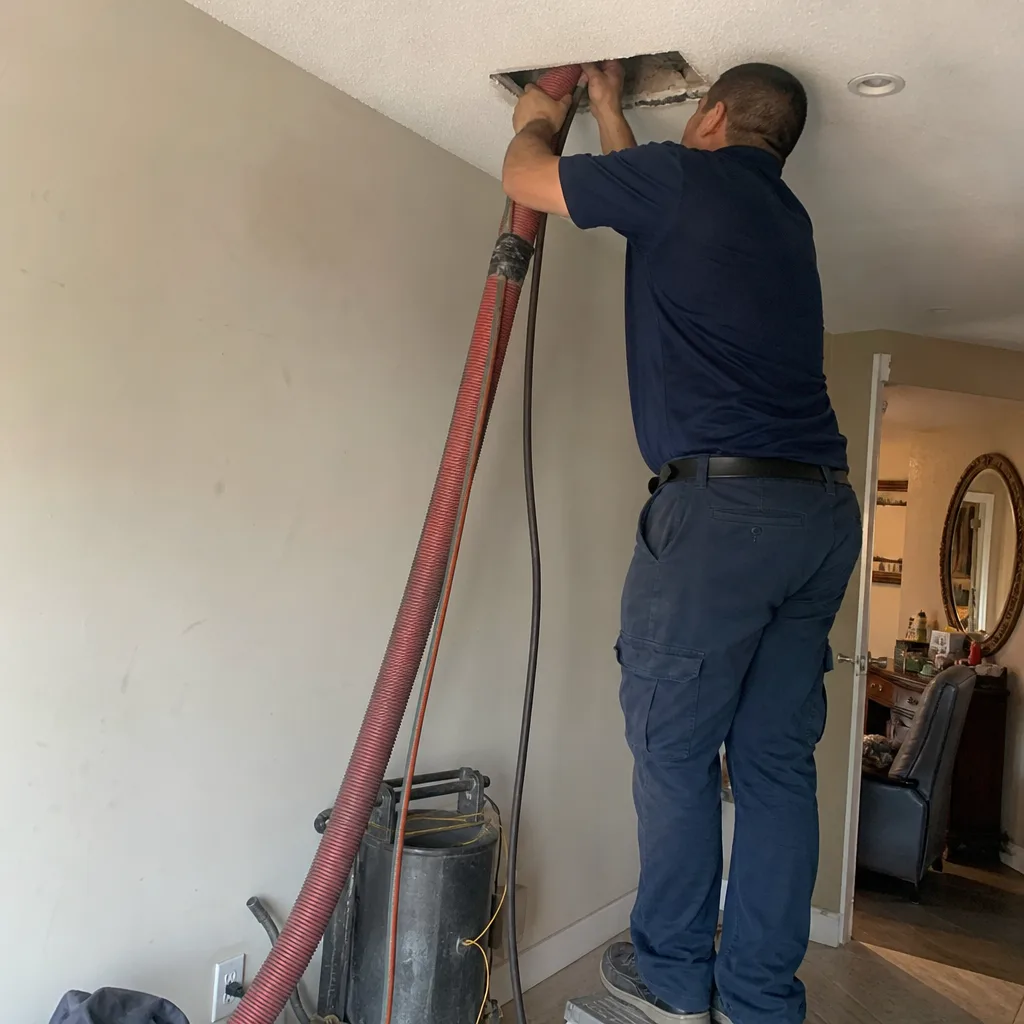
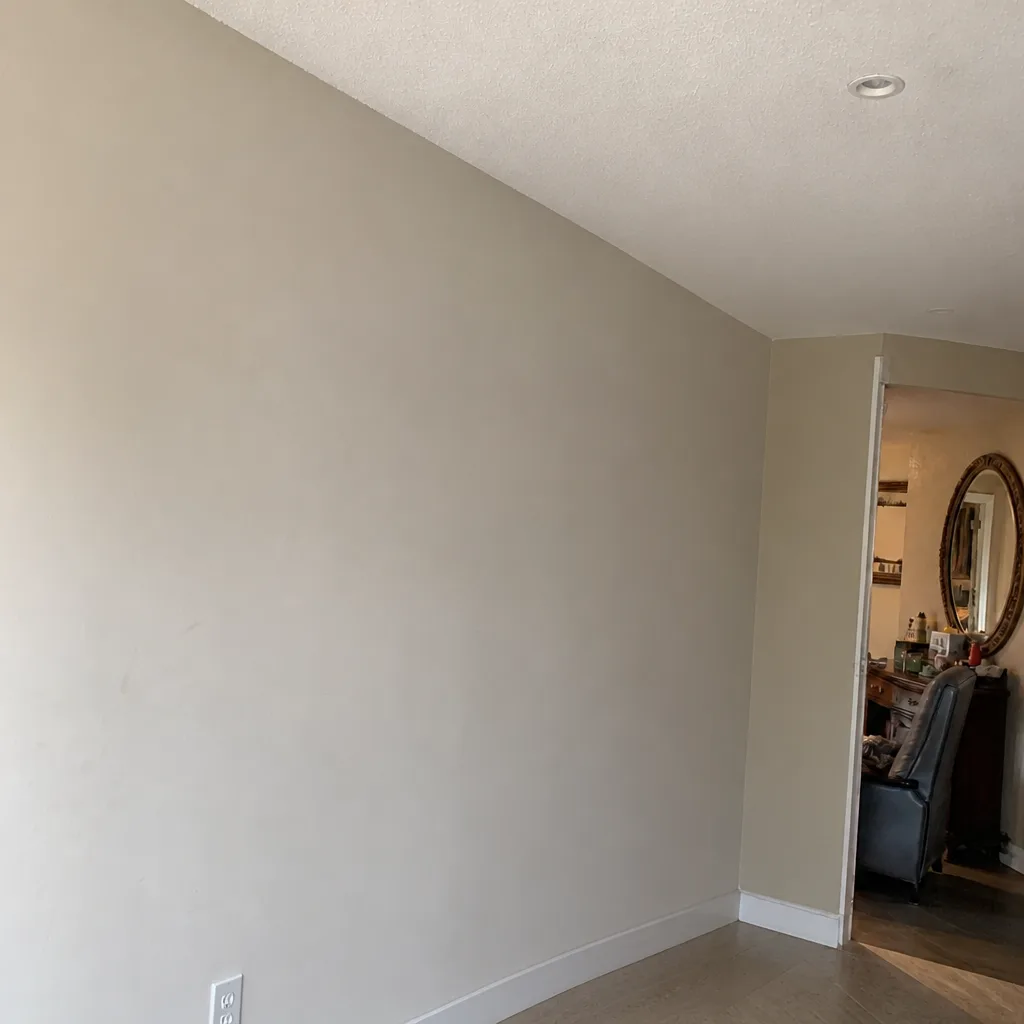
Whole-system duct and dryer vent check with before-and-after photos - you see exactly what came out of your vents
That "$99 whole-house special" is a bait ad - the real number appears once they are in your hallway, or the "clean" is a shop-vac at the register. We photograph the inside of your ducts before and after instead.
Choosing the Right Air Duct Cleaning Brand: A Buyer’s Guide for San Juan Capistrano
When a contractor lists equipment brands in their marketing, most homeowners skim past it as technical noise. That’s a mistake. Those brand names are the single most verifiable fact in any duct cleaning pitch, and they tell you more about real service capability than a wall of customer reviews ever will. Anyone can type “professional” and “thorough” into a website. Only a contractor who actually invested in a rotary brush platform or a HEPA negative air machine can name it on a quote without flinching. In this guide, we’ll decode the equipment landscape for San Juan Capistrano homeowners so you can ask the right questions before anyone steps inside your home.
Quick Answer
The best air duct cleaning company in San Juan Capistrano is the one that can name its tools and explain what each does. Look for a Rotobrush rotary brush system for mechanical wall agitation, a Nikro HEPA vacuum sized to the total volume of your duct system, and containment or air scrubbing equipment such as Abatement Technologies if your home has mold or smoke concerns. Equipment is a proxy you can check before the technician arrives. Ask for make and model on your written quote.
Styles & brands we work with
- Whole-home duct cleaning
- Dryer vent cleaning
- Camera inspection
- Sanitizing & deodorizing
Table of Contents
- Why Equipment Brands Matter More Than Reviews
- Rotobrush: What It Does Mechanically
- Nikro Negative Air Machines: CFM and Filtration Stages
- Abatement Technologies: Containment for Group-Severity Jobs
- What a Contractor Doesn’t Have Tells You More
- How to Verify Equipment Claims Before You Book
- Why This Matters in San Juan Capistrano
- Questions to Ask Every Contractor
Why Equipment Brands Matter More Than Reviews
A customer review tells you about one person’s afternoon with one technician. An equipment brand tells you what the company was willing to buy, maintain, and train on. Those are very different evidence types, and only one of them is checkable before you write a check.
Duct cleaning has a persistent bait-and-switch problem. Low coupon rates that balloon into larger invoices. “Whole house” jobs that mean a single pass with a shop vac and a hose nozzle. The homeowners we talk to in San Juan Capistrano are often reacting to that experience, either their own or a neighbor’s. The frustration isn’t about cost, it’s about not knowing what was actually done.
Equipment cuts through that uncertainty because it’s honest. A purpose-built rotary brush system looks nothing like a wet/dry shop vac from a home improvement store. A commercial HEPA vacuum with staged filtration looks nothing like a leaf blower taped to a hose. And the brands carry their own track record: Rotobrush is standard issue at restoration contractors, Abatement Technologies is built for remediation work, Nikro supplies the environmental and restoration trades. These are names you can search, read about, and compare.
What this means practically for a San Juan Capistrano homeowner: your evaluation checklist should start with equipment, then move to process, then price. If the equipment story is vague, nothing downstream is worth scrutinizing. For a broader look at what a proper visit involves, our air duct cleaning service page walks through the process start to finish.
Rotobrush: What the BrushBeast Platform Does Mechanically
Rotobrush builds a family of duct cleaning systems, and the workhorse in residential duct cleaning is the rotary brush platform often described as the BrushBeast. It’s an assembly that combines a rotating mechanical brush head with a continuous vacuum connection, so agitation and extraction happen in the same pass.
Why does that combination matter? Because duct walls are where the debris actually lives. Loose dust sitting in the middle of an air stream isn’t the problem. The problem is the layer bonded to galvanized steel or flexible duct interior, held on by moisture, electrostatic attraction, and time. Suction alone lifts what’s loose. Agitation with a brush breaks the grip. And if you agitate without simultaneous extraction, you simply resuspend the debris into the room air, which is where you started.
Here’s what the combined approach actually accomplishes:
- Mechanical scrubbing of duct walls: the brush physically loosens bonded debris from the interior surfaces, not just what’s in the air path.
- Continuous vacuum capture: the debris goes into the collection system on the same pass instead of drifting back into the room.
- Visual confirmation: the brush is often paired with a camera, so the technician can show you before-and-after views of the duct interior.
- Coverage across duct shapes: rotary brush heads fit a range of round and rectangular runs, including the tight branches common in older San Juan Capistrano homes.
Rotobrush systems are optimized for residential and light-commercial duct networks. They’re the right call for routine maintenance cleaning and moderate buildup. They are not the tool for a duct system with heavy biological growth or smoke residue, which is where the Abatement Technologies conversation comes in.
Nikro Negative Air Machines: CFM and Filtration Stages
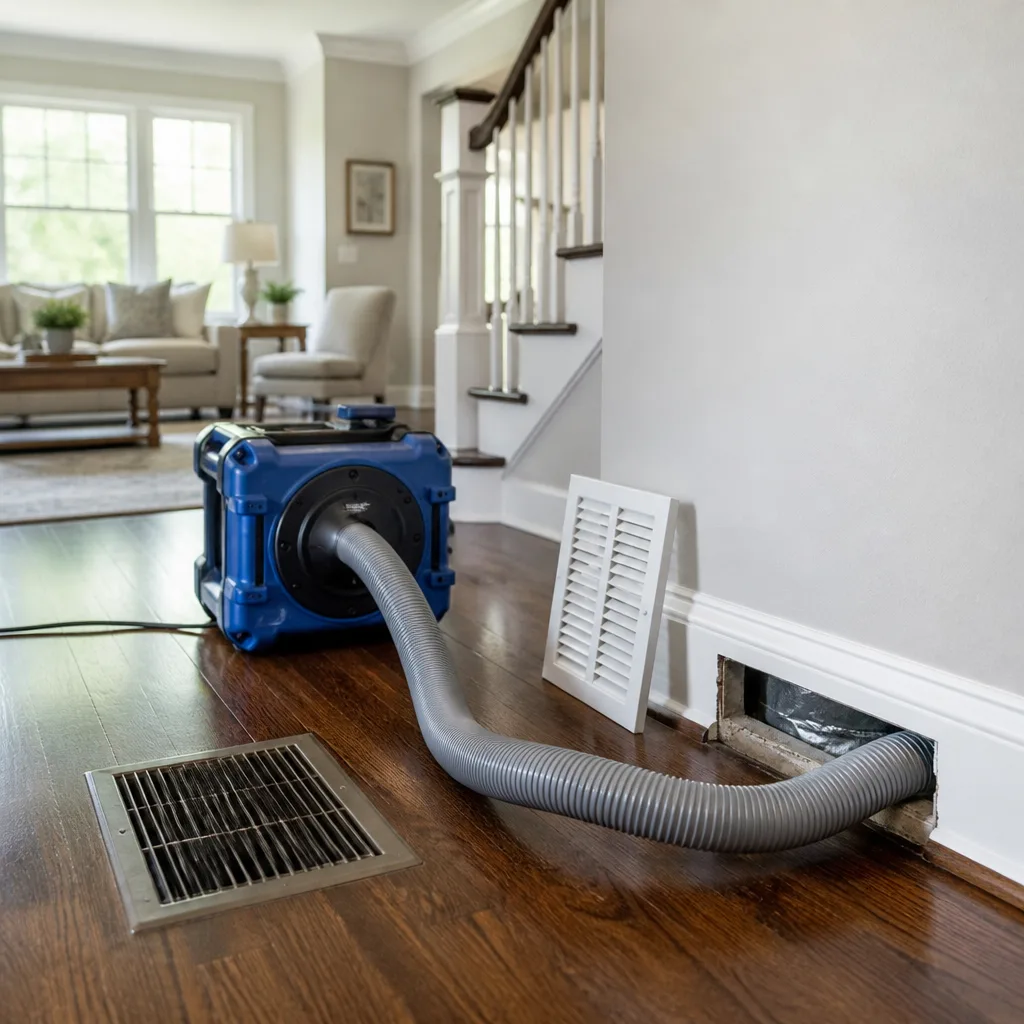
Nikro Industries builds the negative air machines and HEPA filtration equipment used widely in the restoration and environmental remediation trades. In duct cleaning, the machine plays a different role than the rotary brush: it’s the engine that pulls air through the duct system while keeping the workspace under negative pressure.
Two specs actually matter when you’re evaluating a Nikro unit on a quote:
- CFM rating (cubic feet per minute): this is the machine’s airflow capacity, and you want it meaningfully larger than the internal volume of the duct system being cleaned. On a large home with a sprawling duct network, an undersized vacuum won’t establish enough pull. The comparison homeowners can make: is the machine sized to the job, or is it a one-size unit?
- Filtration stages: multi-stage filtration is the standard, with a HEPA stage at the end. That final stage captures particles small enough to matter for allergy and asthma concerns. A machine without a HEPA stage is doing shop-vac work with a fancier housing.
Negative air pressure is the second half of the story. When the machine is set up correctly, room air flows toward the machine rather than into it, which means loosened debris and airborne particles get captured at the source. In a home with an asthmatic child or a pet allergy in the household, that difference is the whole point. It’s also one of the reasons we prefer it: the work stays contained.
A common question: does every job need a Nikro-class machine? Not always. A tight, single-system home with routine dust accumulation can be served by a well-run Rotobrush setup. The Nikro negative air machine becomes essential when a duct system is large, complex, or has contamination concerns. That’s a judgment call your contractor should be able to explain, not assume.
Abatement Technologies: Containment for Remediation-Level Jobs
Abatement Technologies is a name that shows up on serious remediation work: mold abatement, fire and smoke restoration, and jobs where the “cleaning” is really containment plus scrubbing. When a contractor brings Abatement equipment to a duct cleaning, they’re equipped for a different grade of problem.
Here’s the distinction that separates a maintenance cleaner from a remediation-grade contractor:
- Maintenance cleaning handles normal household dust, pet hair, and seasonal accumulation. The goal is a clean duct system that performs efficiently.
- Remediation-level cleaning handles contamination: visible mold growth in the ductwork or on the air handler, smoke residue from a fire, or biological buildup tied to chronic moisture. The goal is containment, removal, and verification.
Abatement’s negative air machines and air scrubbers are built for the second category. They establish and hold negative pressure in the work zone, run HEPA filtration at high volume, and capture airborne spores or smoke residue before it spreads into the living space. If a contractor doesn’t have this capability, a remediation-level job in your San Juan Capistrano home gets handled as a routine cleaning, and that’s a problem.
We treat this seriously enough that our Air Quality & Sanitizing service extends beyond debris removal to microbial and allergen control. Dust removal and biological control are not the same job, and they need different equipment. If a home has had water intrusion, smoke, or long-vacant periods, be direct with your contractor about it. That’s information they need to choose the right setup.
What a Contractor Doesn’t Have Tells You More
Absence is information. A contractor who doesn’t list equipment isn’t necessarily hiding something, but they’re not giving you anything to verify either. And some absences are genuinely disqualifying for complex jobs.
Here’s the list we’d flag:
- No camera inspection system: without a camera, the technician can’t see what they’re cleaning or show you a before-and-after. “We cleaned it” becomes a claim you have to take on faith.
- Single-stage vacuum with no HEPA: a single-stage unit cannot separate fine particulate from exhaust air. If the vacuum captures debris and then pushes fine particles into the room, the job is worse than not being done.
- No negative air or containment capability: for routine maintenance this isn’t always required. For mold, smoke, or heavily contaminated systems, it’s not optional.
- No sealing or repair capability: cleaning ducts that are leaking at every joint is treating a symptom. If a contractor can’t repair and seal compromised ductwork, the clean system won’t stay clean.
- Vague answers about equipment: “we use professional equipment” is a phrase, not an answer. It’s the equivalent of saying “we have tools.”
A useful comparison: our HVAC cleaning work goes beyond the duct runs into the air handler and coil assembly, because a clean duct system pulls air through an unclean component otherwise. A contractor who can’t or won’t work on the air handler side is leaving a meaningful part of the system untouched.
How to Verify Equipment Claims Before You Book
The good news is that this is all checkable, and none of it requires a technical background. Here’s a straightforward process you can run before scheduling any duct cleaning in San Juan Capistrano:
- Ask for make and model on the written quote. “Rotobrush” or “Nikro” as a family name is fine, but a specific model tells you what capability level you’re getting. A serious contractor will provide it without friction.
- Search the brand and model. You don’t need to understand the specs deeply. You need to see that the machine exists, is built for duct cleaning, and isn’t a consumer vacuum with a professional label.
- Ask what happens if contamination is found. If the answer is “we clean it anyway,” that’s a red flag. If the answer is “we contain the work area and adjust the approach,” that contractor has done this before.
- Ask whether a camera inspection is included. This is the single most verifiable transparency signal in the trade. If the camera is there, you’ll see the duct interior on a screen.
- Ask for a per-job written estimate, not a per-vent or coupon price. Equipment-based work is priced as a whole-system job. A per-vent price tells you the company is optimizing for upsells, not for scope.
A legitimate contractor will demonstrate the equipment when asked. They’ll explain what each system does. They won’t get defensive or rush past it. If the equipment conversation feels evasive, the rest of the job likely will too.
Why This Matters in San Juan Capistrano
San Juan Capistrano has a housing mix that makes duct cleaning more demanding than it looks on paper. The city’s older neighborhoods include homes from several distinct building eras, which means duct systems as varied as galvanized sheet metal from decades past, flex duct retrofits, and mixed assemblies where one part of the home has been updated and another hasn’t. That variety is exactly the reason a contractor’s equipment needs to flex with the job.
The mild climate is a factor too, though not in the way homeowners often expect. Winters here don’t force the brutal heating runtimes that colder regions see, which means some systems sit idle for months at a time. Idle ducts collect dust and, in homes with any moisture history, become a place where biological growth can establish itself without anyone noticing until the AC comes back on. When you notice that first-season smell, the answer isn’t to run an air purifier in the room. It’s to have the duct interior inspected.
We also see a specific pattern in San Juan Capistrano homes with pets and mature landscaping. Outdoor pollen and pet dander combine in the return-air path, and filters only catch a portion of it. That combination is a legitimate reason for microbial and allergen control as part of a cleaning, not just mechanical debris removal.
If you’re in a home near the Los Rios Historic District or the older pockets of town, ask specifically about camera inspection. Duct networks in older homes can be irregular, and a technician without visibility is working blind. If you’re in a newer build, the question shifts to sealing: newer systems often have efficiency that’s undermined by loose joints.
Questions to Ask Every Contractor
Here’s the short list we think every homeowner should carry into the conversation. These questions bypass marketing language and get to capability:
- What specific make and model of equipment will you use?
- Is a camera inspection included, and will I see the footage?
- How many CFM is your vacuum, and how does that compare to my duct system’s volume?
- Do you carry HEPA filtration, and what stages does your system run?
- If contamination is found, what containment capability do you have?
- Can you repair and seal leaking ducts after cleaning?
- Is your price per system or per vent, and will the estimate be in writing before work starts?
- Will I see before-and-after photos of my own ducts?
None of these require technical training to ask, and all of them reveal how a contractor thinks. If a company happily answers the first seven and volunteers the eighth, you’re working with someone who understands what the work actually is.
Dryer vent cleaning deserves its own question. A clogged dryer vent is a fire concern, not a maintenance nicety, and the equipment and process differ from air duct work. Our dryer vent cleaning service treats it as a separate, fire-safety job with its own tools, not an add-on. Ask any contractor whether they clean dryer vents with dedicated equipment or just run the same hose through it.
Common Mistakes to Avoid
- Choosing on coupon price alone. A low coupon price usually reflects a single-pass job with consumer equipment. The advertised number is the entry point; the real invoice often grows once the technician is on site.
- Accepting “professional equipment” as a description. Every contractor says this. It tells you nothing until you ask for a brand and model. If the answer stays vague, you’re missing the one fact you can verify.
- Booking without asking about camera inspection. A camera is the only way to confirm the work was actually done. Skipping this step means trusting a verbal “we cleaned it.”
- Ignoring the air handler. Air duct cleaning that stops at the duct runs leaves the coil and blower assembly untouched. Ask whether HVAC cleaning is included or available.
- Skipping duct repair and sealing. Cleaning a leaking duct system is temporary. Air loss at the joints pulls outdoor dust back in fast. Sealing is the part that makes the cleaning last.
- Treating every system as identical. An older San Juan Capistrano home with mixed duct materials and a newer build with a tight distribution system need different approaches. A one-size quote is usually a one-size job.
- Not asking about separation of dryer vent work. If the dryer vent is handled with the same hose and equipment as the air ducts, fire-safety coverage is thin. That vent deserves its own tools.
See the difference
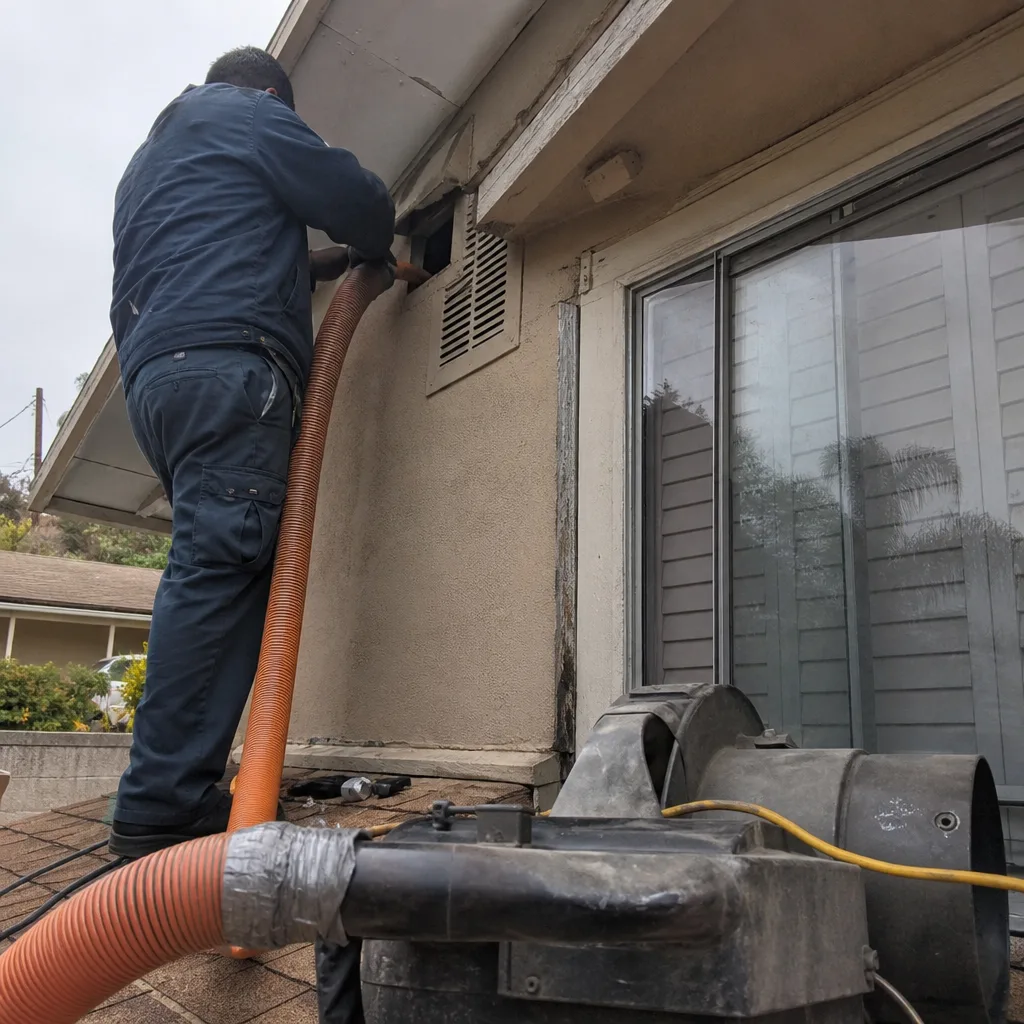 Before
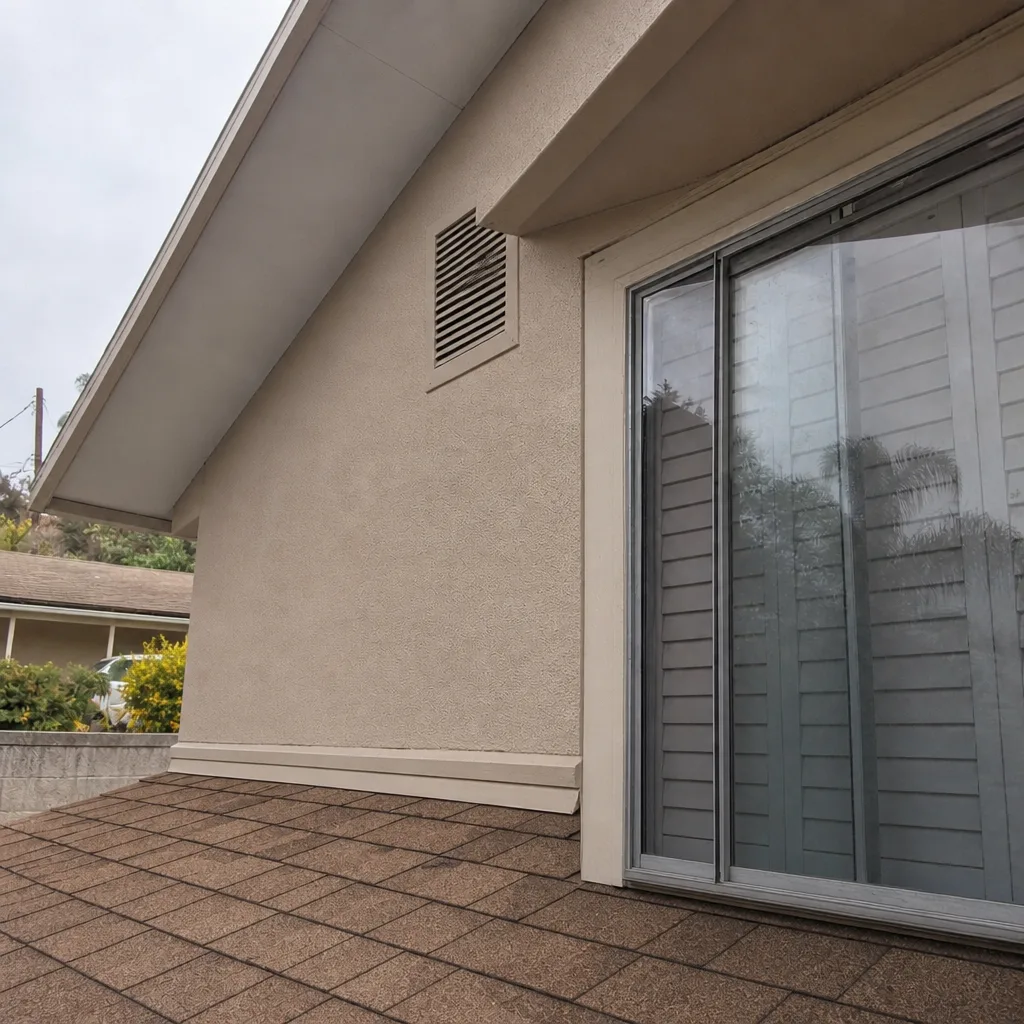 After
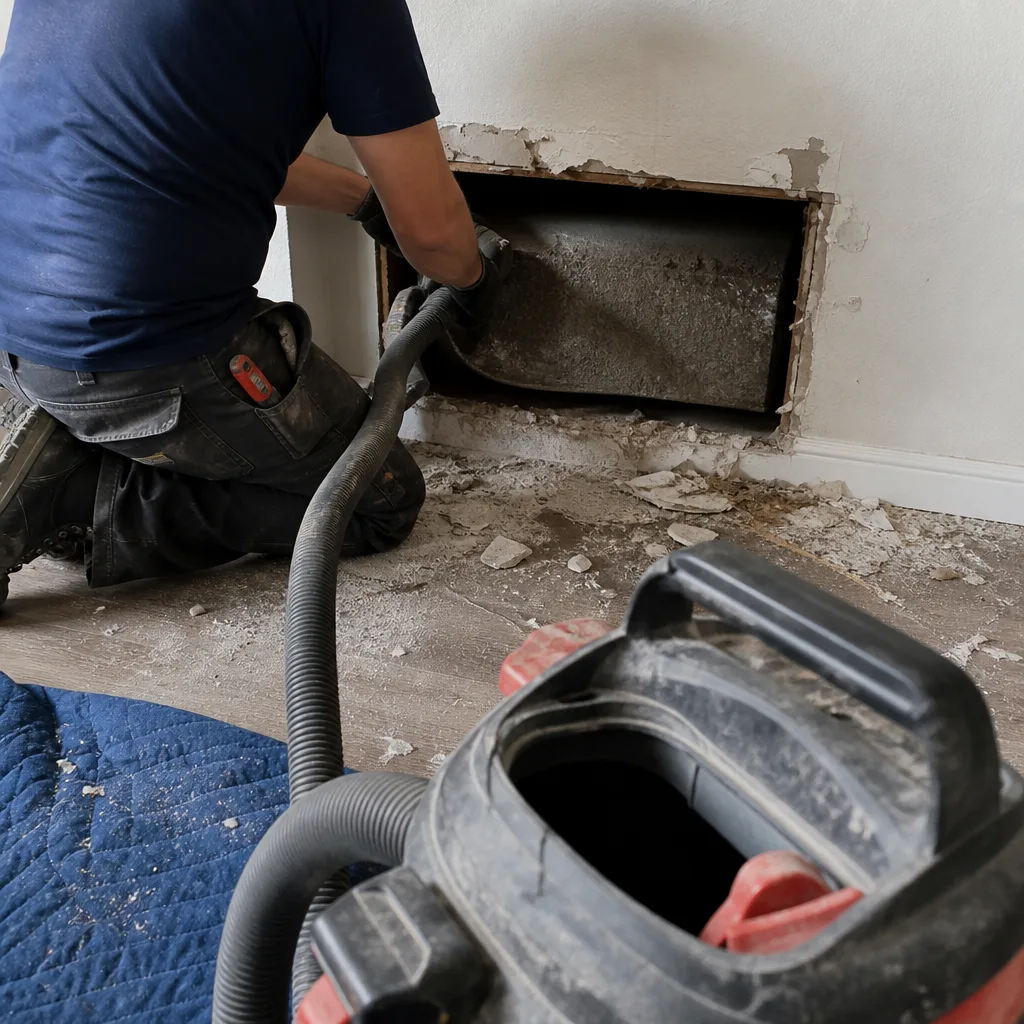 Before
 After
 Before
 After
When to Call a Professional
Some situations clearly call for a professional inspection rather than a homeowner’s assessment. A persistent musty odor from the vents, especially after months of idle AC. Visible dust streaks around supply registers. A recent water intrusion event near the air handler. Allergy or asthma symptoms that flare inside the home and ease outside. A dryer that takes noticeably longer to dry a load, which often points to a clogged vent run. And any home where duct cleaning hasn’t been done in a long time and the system’s history is unknown.
San Juan Capistrano Air Duct Cleaning Pros offers free estimates in San Juan Capistrano, and we’d rather answer the equipment questions up front than talk you into anything. Call (844) 443-3974. We answer 24/7. Fast dispatch from 7am to 7pm, Sunday through Friday.
Frequently Asked Questions
Air duct cleaning is a per-system job, priced by written estimate after the contractor can see the duct layout, square footage, and contamination level. We don’t quote per-vent prices or advertise teaser coupon rates, because those numbers rarely survive contact with a real duct network. The written estimate sets the final price, and the good news is that estimates are free. Call (844) 443-3974 for an exact quote. Estimates are free.
Cheap quotes usually reflect cheap equipment and limited scope. A crew running a consumer vacuum through the ducts with a single pass is offering a physically smaller job than one using a Rotobrush rotary brush with HEPA extraction and a camera inspection. Some low quotes also assume a per-vent upsell once the technician is on site. If a quote is dramatically lower than others, ask for the make and model of the equipment and what’s included. The answer usually explains the price. Call (844) 443-3974 for a free estimate from a company that will show you its equipment.
Ask for camera inspection and before-and-after photos of your own duct interior. That’s the standard answer, and it’s the right one: a company that can show you the duct walls before and after doesn’t need to ask for trust. Mechanical scrubbing is visibly different from a light pass, and it should be visible on a screen. If the contractor can’t or won’t provide this, look elsewhere. Call (844) 443-3974. Estimates are free.
For most San Juan Capistrano homes, a cleaning every few years is a reasonable baseline, with a shorter interval if the home has pets, allergy-sensitive occupants, or a history of moisture or smoke exposure. Homes that sit idle for months during the mild winter stretch often benefit from checking sooner. There’s no universal schedule because duct systems differ. An inspection tells you more than a general rule. Call (844) 443-3974 for a free estimate if you’re unsure whether it’s time.
Neither is better in isolation; they serve different functions. Rotobrush handles mechanical wall scrubbing and extraction, which is the core of a maintenance cleaning. Nikro negative air machines establish pressure and HEPA filtration at scale, which matters on larger or more contaminated systems. On a real job, a thorough company may use both. The question to ask is which system is appropriate for your duct network, not which brand wins a head-to-head. Call (844) 443-3974 for a free estimate and we’ll explain which setup fits your home.
Poorly done cleaning can, because agitating debris without proper HEPA extraction resuspends particles into room air. Done correctly, cleaning helps by reducing the allergen reservoir in the duct system. The equipment question is the deciding factor: HEPA filtration at the machine and contained negative pressure are what make the difference. For households with asthma or pet allergies, that capability is a must-have, not a nice-to-have. Call (844) 443-3974 for a free estimate. Our technicians have up to 15 years of experience.
The Bottom Line
Equipment brands are the most checkable fact in a duct cleaning proposal. Rotobrush tells you the contractor can agitate and extract in the same pass. Nikro tells you they have HEPA filtration and can establish negative pressure at scale. Abatement Technologies tells you they’re equipped for remediation-level work involving mold or smoke. Missing equipment tells you just as much: no camera, no HEPA, no sealing, no containment. If you remember nothing else from this guide, remember that a legitimate contractor will name their tools without being pushed. Ask the questions, read the quote, and look for the make and model. Call (844) 443-3974 for a free estimate in San Juan Capistrano. And if you want a broader look at our services, our San Juan Capistrano Air Duct Cleaning Pros home page is the place to start.
Written by the team at San Juan Capistrano Air Duct Cleaning Pros.