
Last updated November 24, 2026
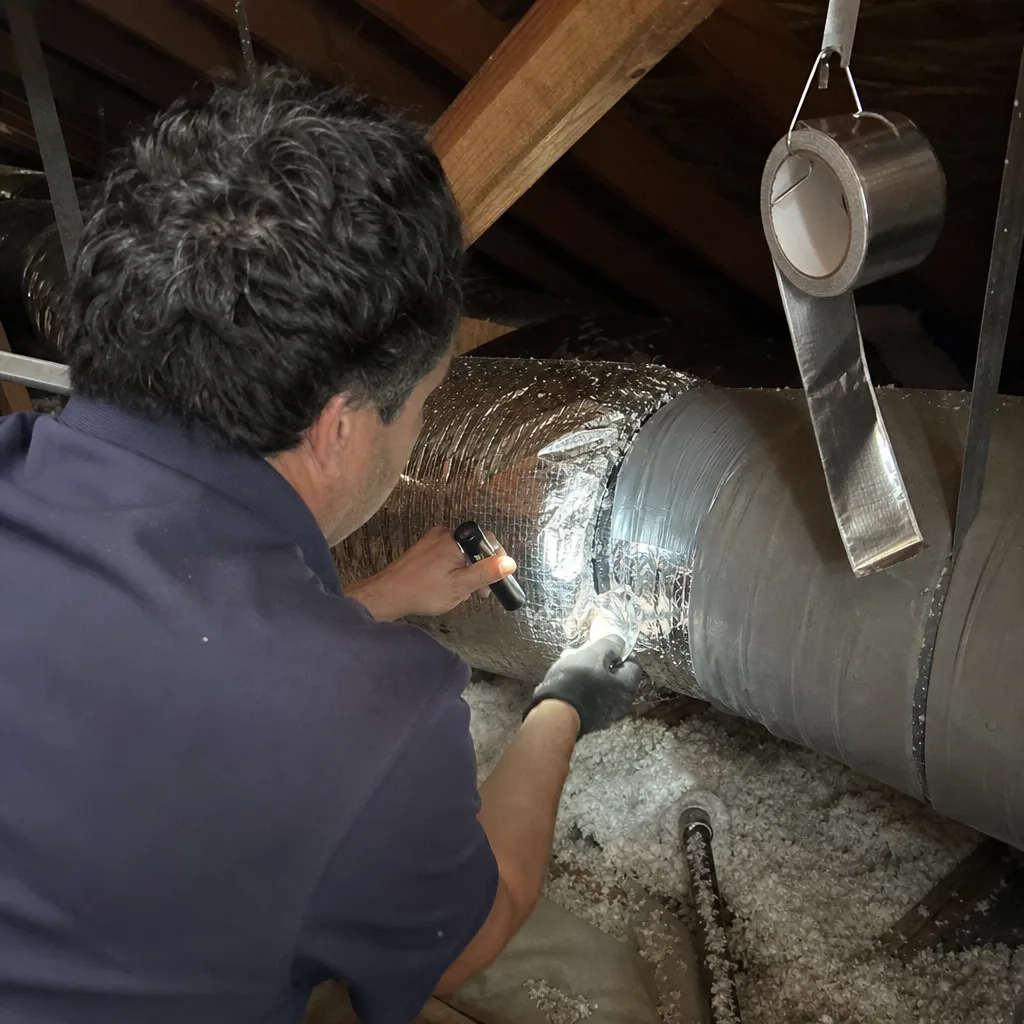
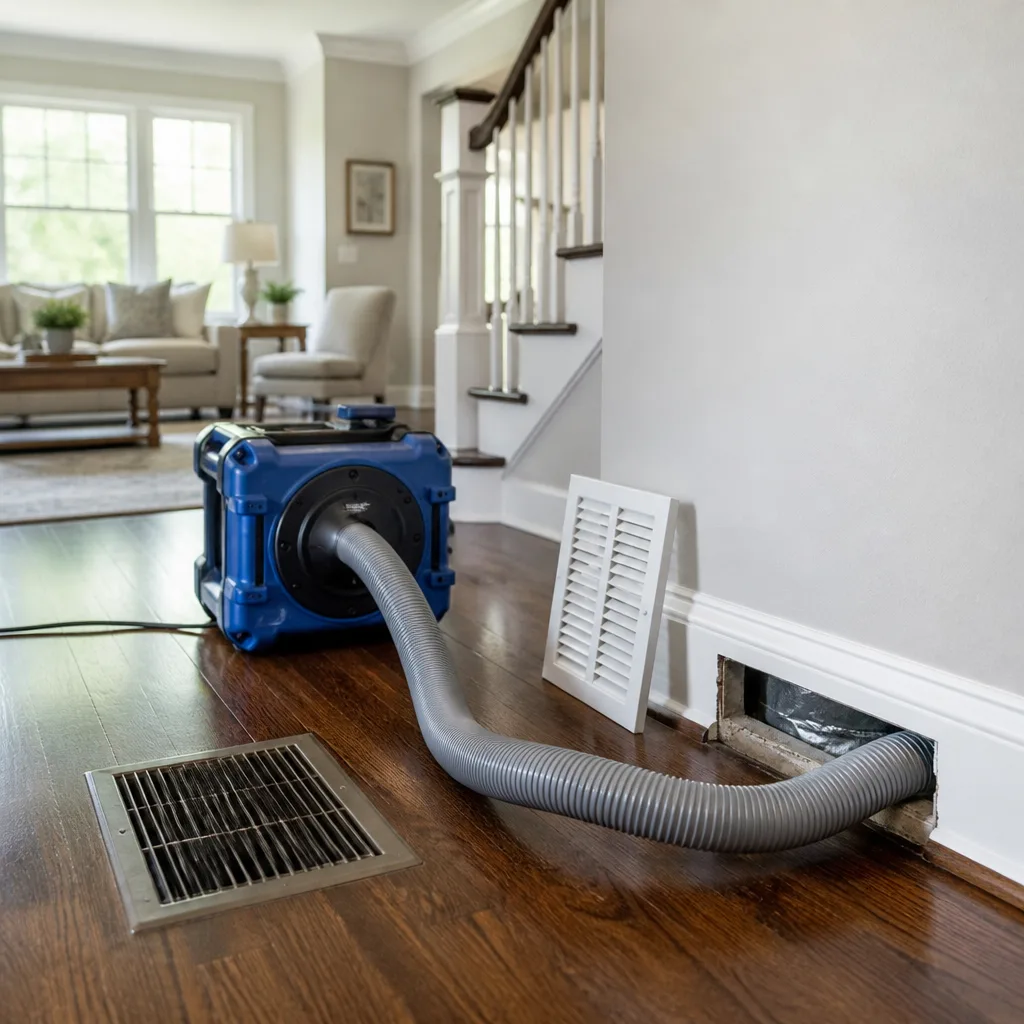 Whole-home duct cleaning
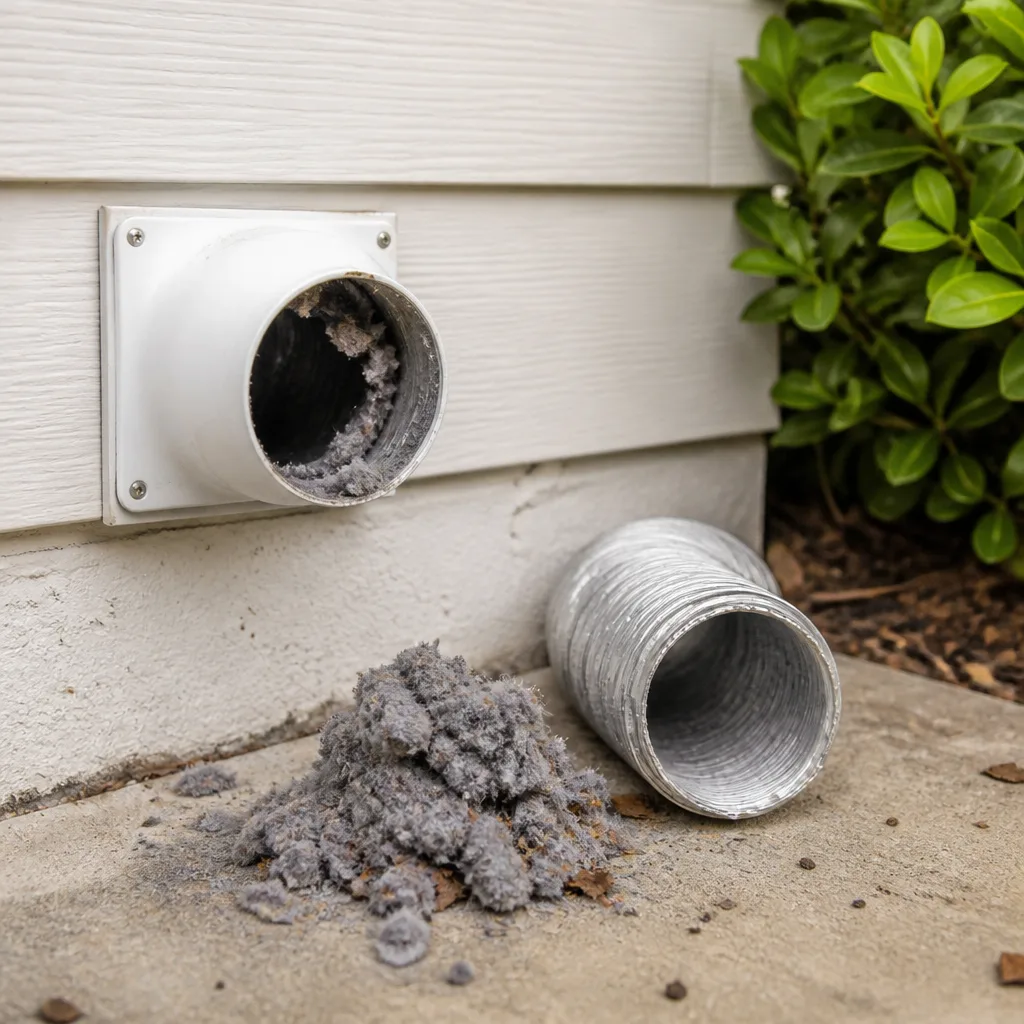 Dryer vent cleaning
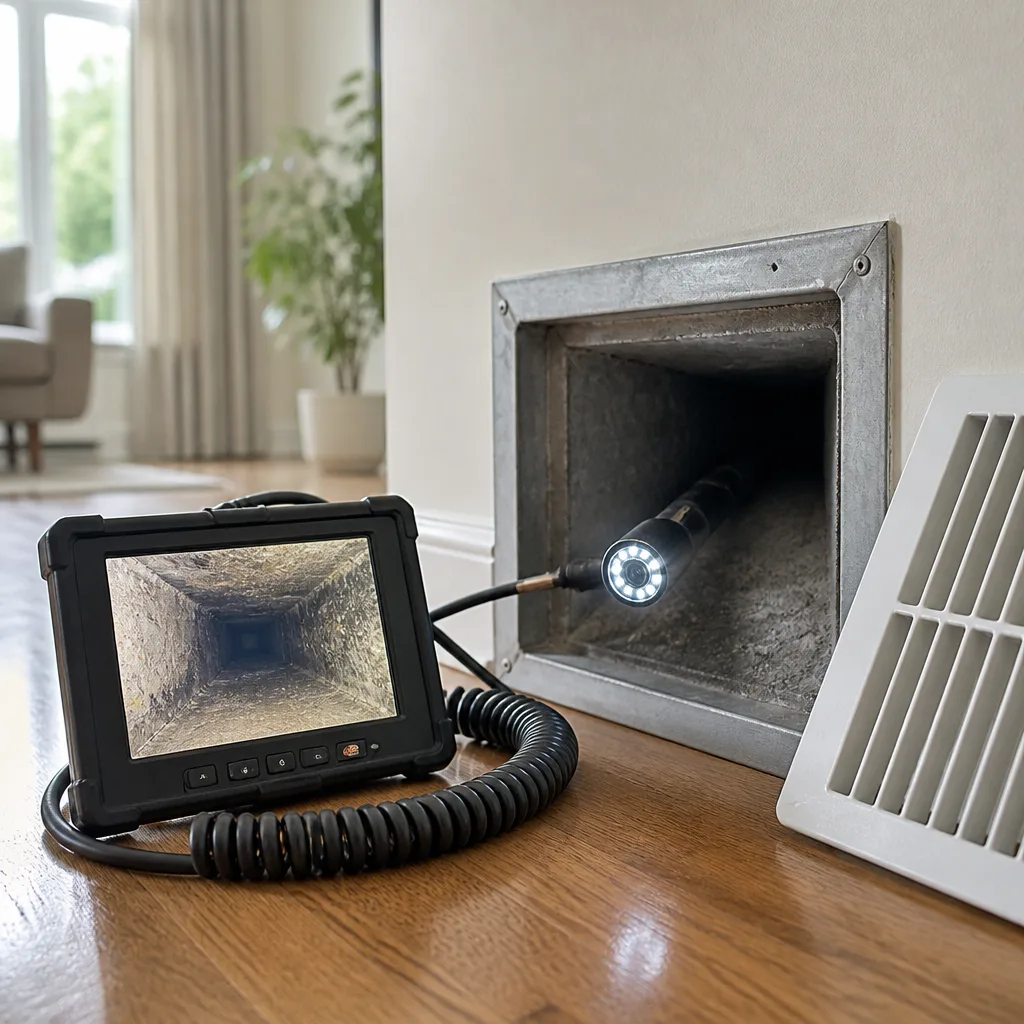 Camera inspection
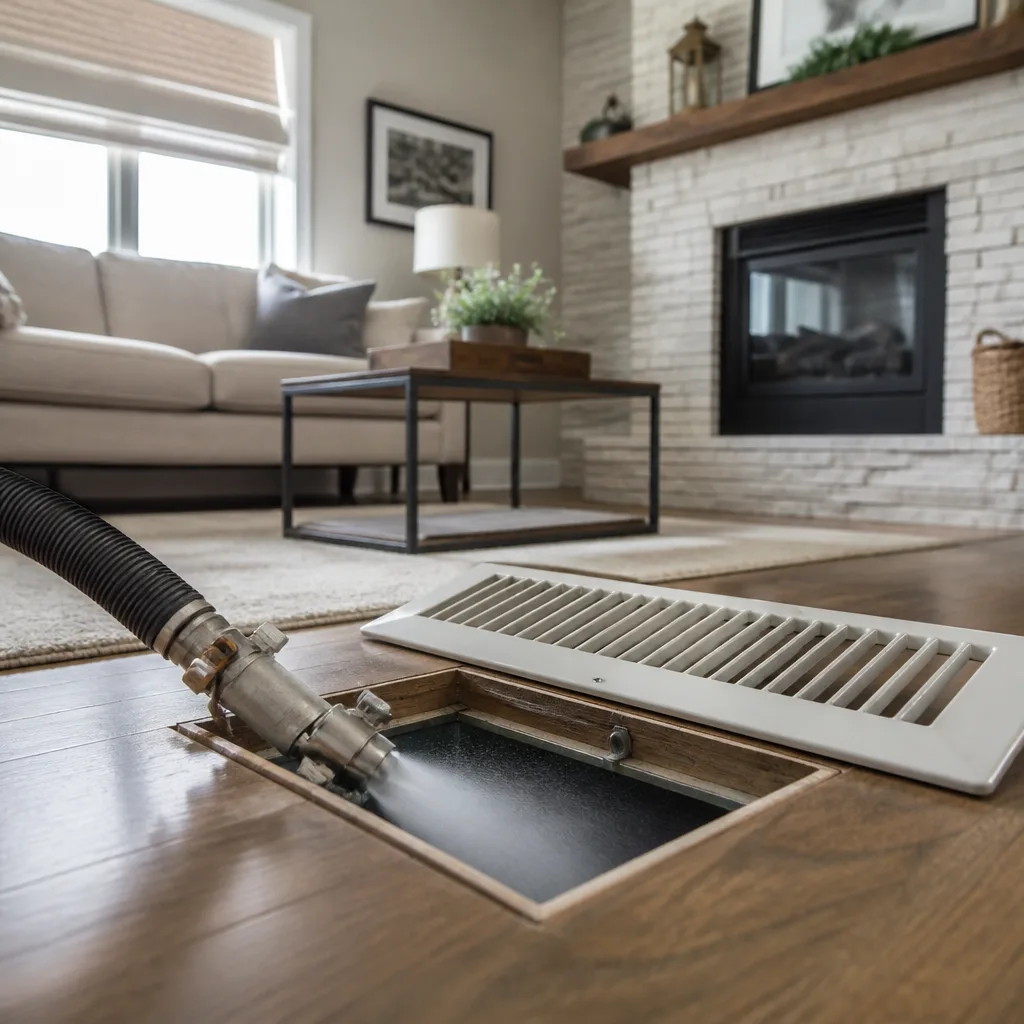 Sanitizing & deodorizing
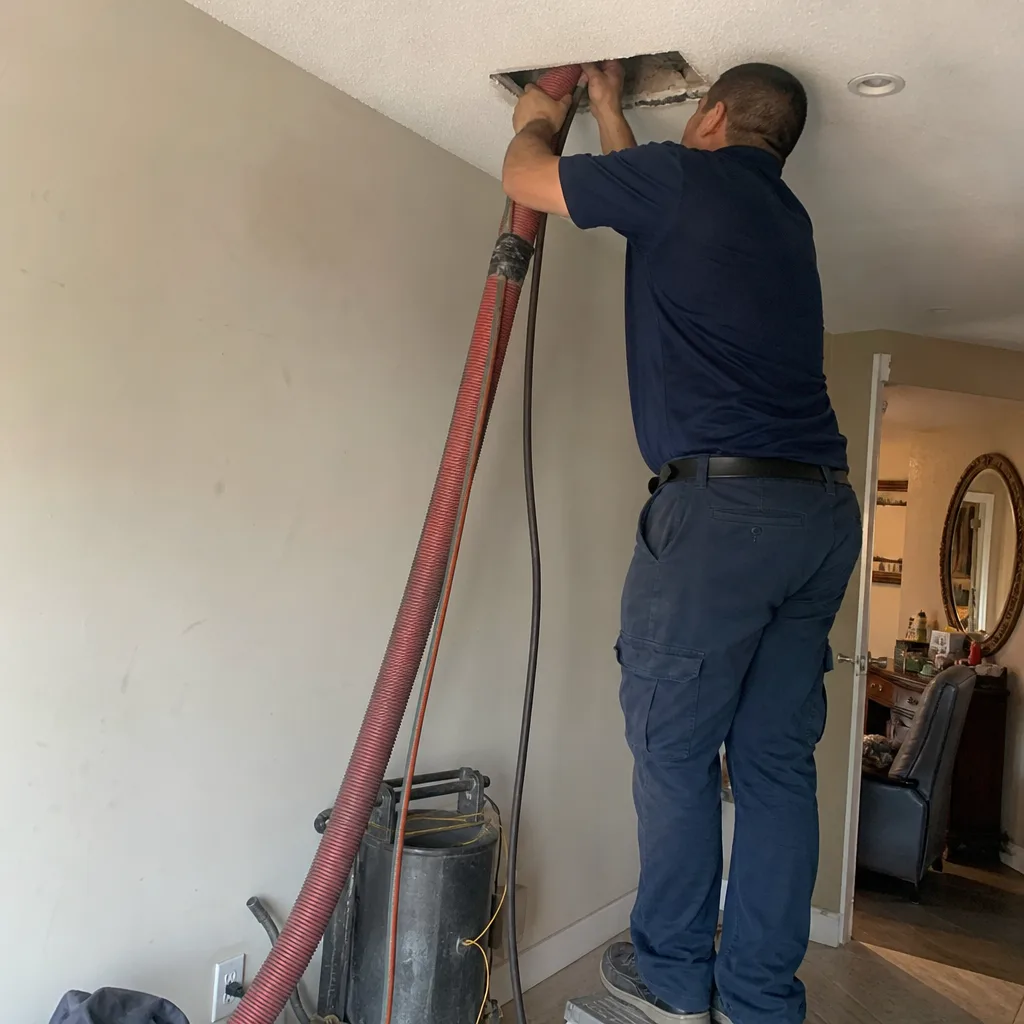
Whole-system duct and dryer vent check with before-and-after photos - you see exactly what came out of your vents
That "$99 whole-house special" is a bait ad - the real number appears once they are in your hallway, or the "clean" is a shop-vac at the register. We photograph the inside of your ducts before and after instead.
Seasonal Air Duct Cleaning Care for San Juan Capistrano: Year-Round Homeowner’s Guide
Most homeowners in San Juan Capistrano clean their ducts once a year, usually in spring, then forget about them until the next spring. That schedule is borrowed from cooler parts of the country and it doesn’t match how air actually moves here. San Juan Capistrano runs through four distinct air phases every year: the marine layer of late spring and early summer, the dry heat of late summer, the Santa Ana winds of fall and winter, and wildfire smoke events that land whenever they land. Each phase pushes different contaminants into your ductwork at different rates. This guide maps cleaning, inspection, and maintenance actions to that real local cycle so you’re working with the seasons instead of a generic calendar.
Quick Answer
Air duct cleaning in San Juan Capistrano works best as a condition-based schedule rather than a fixed annual one. Inspect your ducts and HVAC system in late spring before the marine layer settles in, upgrade filtration before the October to January Santa Ana winds arrive, and book professional cleaning after a significant wildfire smoke event or whenever you notice visible dust at the registers. Most San Juan Capistrano homes fall into a 12- to 24-month cleaning rhythm, adjusted for pets, remodels, and air quality events.
Styles & brands we work with
- Whole-home duct cleaning
- Dryer vent cleaning
- Camera inspection
- Sanitizing & deodorizing
Table of Contents
- Why San Juan Capistrano Has a Four-Phase Air Cycle
- The Marine Layer Season: May Through July
- Santa Ana Season: October Through January
- Wildfire Smoke Events: Filters vs. Full Cleaning
- Late Summer Prep: The Pre-Cooling Season Checklist
- Matching Cleaning Frequency to Local Air Quality History
- Duct Repair and Sealing After Seasonal Stress
- Common Mistakes to Avoid
Why San Juan Capistrano Has a Four-Phase Air Cycle
San Juan Capistrano sits in a climate zone that behaves differently from inland Southern California. That’s the premise behind this whole guide, so it’s worth understanding before we go further.
Inland valleys run a simpler schedule: hot dry summers, cooler winters, and a consistent dust pattern driven by dry soil. San Juan Capistrano sits under a marine layer influence that changes the humidity profile several times a year. Add the seasonal Santa Ana wind pattern and the periodic wildfire smoke events that affect the whole region, and you get four phases, each with its own signature contaminant load.
Here’s the practical version:
- Marine layer phase (roughly May to July): cool, damp air pushes through your HVAC returns and creates condensation risk in cooler duct sections.
- Dry heat phase (late summer): high cooling demand moves more air volume through the system, kicking up accumulated dust.
- Santa Ana phase (October to January): high winds draw particulate matter into outdoor intakes at a much higher rate than normal days.
- Smoke episode phase (variable): wildfire smoke events deposit ultrafine particles that standard filters don’t fully stop.
Each phase leaves a different residue. Marine layer moisture feeds biological growth. Dry heat distributes ordinary household dust more aggressively. Santa Ana winds load the return with coarse particulate. Smoke events deposit fine particles that settle in the duct lining and on the blower wheel.
A cleaning schedule designed for inland conditions will entirely miss the marine layer condensation issue, which is the single most consequential difference between a San Juan Capistrano duct system and one a few miles east. This is why our San Juan Capistrano air duct cleaning pros adjust recommendations by neighborhood and elevation rather than applying a single schedule across the whole area.
The Marine Layer Season: May Through July
The moisture that makes up the coastal June Gloom in San Juan Capistrano also enters your ductwork. Every time your air handler runs during marine layer season, it pulls in air with higher moisture content than your indoor air, cools it, and pushes it through insulated flex duct sections running through the attic.
That temperature differential matters. When warm, moist outside air contacts the cooler surface of an insulated duct run, moisture can condense on the inner lining. This is not a dramatic, visible leak. It’s a slow accumulation of dampness in a dark, still environment, which is exactly the condition mold needs to establish itself in flexible duct lining.
What to Inspect After the Marine Layer Retreats
Once the marine layer pattern breaks in late July or August, run through this check:
- Look at the register grilles for dark specks or staining. Dark spotting around the edges of a supply register can indicate biological growth at the duct boot.
- Smell the air at the supply registers. A musty, earthy odor when the system first starts is a moisture signal.
- Check the return air grille and the filter frame. A filter that’s damp to the touch or shows mold growth around the frame is a condensation warning sign.
- Inspect visible attic duct runs for sagging or moisture staining. Insulated flex duct that has lost its vapor barrier effectiveness is vulnerable to condensation.
- Check the condensate drain pan and line for standing water. A slow drain in the attic is a moisture source that compounds the marine layer effect.
If you find any of these signs, the sequence matters: a professional cleaning removes the contamination, but duct repair and sealing is what prevents it from happening again next summer. Cleaning without repairing the source moisture path is a temporary fix. We’ve found this pattern repeatedly in homes near the Mission and along the older streets where ductwork has had many years to accumulate moisture damage.
Professional-grade equipment matters here more than usual. A standard shop vac cannot effectively agitate and remove biological growth from flex duct lining. The air duct cleaning process uses rotary brush agitation and negative-air containment, and the Rotobrush system is built specifically for this kind of contaminated flex ductwork.
Santa Ana Season: October Through January
Santa Ana winds are the highest-particle-load days of the year in San Juan Capistrano. High-velocity, low-humidity winds pick up dust, dry soil particulates, and organic debris from the hillsides and push them into every outdoor air intake nearby. When your HVAC runs during a wind event, those particulates enter the return air system and deposit throughout the ductwork and on the blower wheel.
The critical mistake homeowners make is replacing the filter after the wind event instead of before it. A clean, properly rated MERV filter installed in advance of the Santa Ana season does actual work during the event. A filter that’s already loaded from summer gets overrun and lets particulate pass into the system.
Filtration Prep Before the Winds Arrive (August to September)
Here’s the sequence we recommend for late summer heating-and-cooling transition:
- Inspect and replace the filter. Choose a MERV rating appropriate for your system’s airflow capacity. Higher MERV is better for particulate capture, but only if your system’s blower can handle it without losing airflow. Ask what your specific system supports.
- Clean the accessible return air plenum and grille. Loose dust settled on the return grille becomes airborne during the first windy heating cycle.
- Inspect the blower wheel. A blower wheel that has accumulated summer dust loses efficiency and circulates that dust. Professional HVAC cleaning addresses this.
- Seal gaps around the air handler and duct connections. A system that draws unfiltered air from a gap in the attic is drawing whatever the Santa Ana winds kicked up.
- Consider a filtration upgrade. Whole-home filtration products from Honeywell and Aprilaire are installed inline with your HVAC system and provide higher particulate capture than a standard filter slot, which is exactly what a Santa Ana wind season calls for.
The goal is to have your filtration and duct system in its best shape before the first strong wind event. If the ducts are already contaminated, a filter alone won’t fix it. That’s when a full HVAC cleaning is the better move, because it addresses the blower wheel, coil, and plenum in addition to the ducts.
Wildfire Smoke Events: Filters vs. Full Cleaning
Wildfire smoke is a different problem from ordinary dust. Smoke particles are smaller, and the finest fraction can pass through standard residential air filters. Those ultrafine particles settle into ductwork lining, on the blower wheel, and on the evaporator coil. The telltale sign is a persistent smoke or acrid odor when the system runs, well after the event has passed.
When a Filter Change Is Enough
- The smoke event was brief and localized.
- Your registers show no visible deposits.
- The system runs odor-free within a few days after the event.
- Your filter was clean and properly rated before the event.
When Professional Cleaning Is Warranted
- The system still smells like smoke after the air has cleared outside.
- Visible ash or dark deposits at the supply registers or return grille.
- The filter clogged quickly during the event and was overloaded before you could replace it.
- Household members with asthma, allergies, or respiratory conditions are reacting.
- Symptoms that started or worsened during or after a smoke event.
For a heavier smoke event, remediation-level containment matters. Using equipment from Abatement Technologies creates negative pressure and contains particles during the cleaning process, which prevents the cleaning itself from dispersing settled particulate into the living space. This is the level of equipment used in restoration work, not typical consumer duct cleaning. For a household with allergy or asthma concerns, it’s the right standard. Our air quality and sanitizing service follows up the mechanical removal with treatment aimed at the microbial and allergen load that smoke and smoke-borne organic matter can leave behind.
Late Summer Prep: The Pre-Cooling Season Checklist
Before the first sustained cooling season, every home in San Juan Capistrano has an opportunity to find problems before the system circulates them through the whole house. Here is the inspection checklist we walk through at the start of the season.
The Pre-Cooling Duct Inspection Checklist
- Check all visible duct runs in the attic and crawlspace. Look for disconnected joints, crushed or kinked flex duct, and sagging sections. A disconnected duct is a direct path for unconditioned attic air into your living space.
- Inspect the duct insulation and vapor barrier. Torn or degraded insulation loses thermal effectiveness and creates condensation vulnerability during the marine layer phase.
- Look for daylight or gaps at duct connections. Anywhere daylight shows through a connection is a leak.
- Test airflow at every register. Weak airflow at one or more registers while others are strong is a sign of a blockage or a major leak.
- Inspect the air handler cabinet and coil. Dust accumulation on the indoor coil reduces cooling efficiency and becomes a distribution source for dust.
- Replace the filter and note the date. Track filter life so you know when it’s due, especially around Santa Ana season.
- Listen for whistling or whooshing at the air handler. That’s often a sign of a pressure imbalance pointing to leaky ductwork.
Catching these issues before the first AC run of the year is the whole point. Once the system starts running, a leak or a disconnected duct just circulates the problem. The Nikro line of professional duct and HVAC cleaning equipment plays a role here, but the first step is always the inspection. This is why our first conversation with a homeowner is usually about what the system looks like before any cleaning is scheduled.
Matching Cleaning Frequency to Local Air Quality History
There is no single right cleaning schedule for every San Juan Capistrano home, but there is a rational way to set one. Instead of a fixed annual cleaning, we recommend basing your cleaning interval on your home’s actual conditions and the local air quality pattern in your area.
Factors That Shorten the Interval
- Pets in the home. Pet dander and hair load ductwork faster than a no-pet household.
- Recent remodeling. Construction dust is one of the heaviest contaminant loads a duct system ever sees.
- Smoke events in the past year. Each significant wildfire smoke event adds particulate.
- An older system with leaking ducts. Leaky ducts pull in attic and outdoor air, which accelerates contamination.
- Household members with asthma or allergies. These households benefit from a shorter interval regardless of AQI history.
Factors That Allow a Longer Interval
- Whole-home filtration installed and maintained.
- Ductwork recently sealed and inspected.
- No pets and no recent remodeling.
- No significant smoke events in the recent past.
A Working Rhythm for San Juan Capistrano
Most homes here sit comfortably at a 12- to 24-month professional cleaning rhythm with a late summer or early fall inspection every year. Homes with pets or allergy concerns sit at 12 months. Homes with a sealed, filtered system can stretch to 24 months. The single biggest wildcard is wildfire smoke: a bad season in the area shortens the interval regardless of everything else.
Following local air quality trends is genuinely useful here. If the region had a heavy smoke season, that’s a reason to inspect sooner. If the year was clean and the system was already in good shape, a longer interval is defensible. The filter change cadence stays the same: check the filter every 60 to 90 days during heavy-use seasons and replace it when it’s loaded.
Duct Repair and Sealing After Seasonal Stress
Seasonal stress on ductwork is cumulative. Marine layer condensation weakens the lining material. Santa Ana-era pressure imbalances push harder on already stressed joints. A few years of that combination is enough to open up meaningful leaks in an older system.
A duct system with leaks doesn’t just lose efficiency. It also draws unconditioned attic air into the living space. That attic air carries dust, insulation fibers, and during the marine layer months, moisture. Sealing those leaks removes the source, which is why we clean, repair, and seal rather than clean alone.
The repair process includes:
- Locating disconnected and leaking duct joints with a pressure test or visual inspection.
- Sealing leaks with appropriate duct mastic or foil tape rated for the duct material.
- Replacing crushed or degraded flex duct sections.
- Reconnecting and rehanging duct runs that have sagged or detached.
- Verifying restored airflow at all registers after sealing.
For an older San Juan Capistrano home with ductwork that has been through many marine layer seasons and Santa Ana events, sealing is often the single highest-value step in the whole program. Cleaning without sealing means you’re cleaning the same contamination source again in a year. Addressing the leaks first makes the cleaning last.
Common Mistakes to Avoid
- Following a generic spring-cleaning schedule. A schedule designed for inland conditions misses the marine layer condensation window entirely. San Juan Capistrano duct maintenance needs to be tied to the actual local air cycle.
- Waiting until the Santa Ana winds to change the filter. A loaded filter installed after the wind event didn’t do any work during it. Filter changes need to happen before the winds arrive.
- Skipping the post-marine-layer inspection. The moisture window is closed by late summer, but the biological growth it left is not. Inspect after the marine layer retreats, not before it starts.
- Cleaning ducts on an older home without addressing leaks. Leaky ductwork recontaminates the system faster than any cleaning schedule can keep up with. Seal first, clean second.
- Treating smoke event contamination as a filter problem. Ultrafine smoke particles settle into the duct lining and onto the blower wheel. A filter change won’t remove them.
- Using a shop vac or consumer-grade equipment for a compromised system. Consumer equipment doesn’t provide the containment or the mechanical agitation needed for biological contamination. This is the reason professional duct cleaning services use rotary brush systems and negative-air equipment.
- Skipping the dryer vent in the seasonal review. A clogged dryer vent is a fire safety issue that has nothing to do with air quality and everything to do with whether your laundry cycle is safe. Include dryer vent cleaning in the yearly maintenance review.
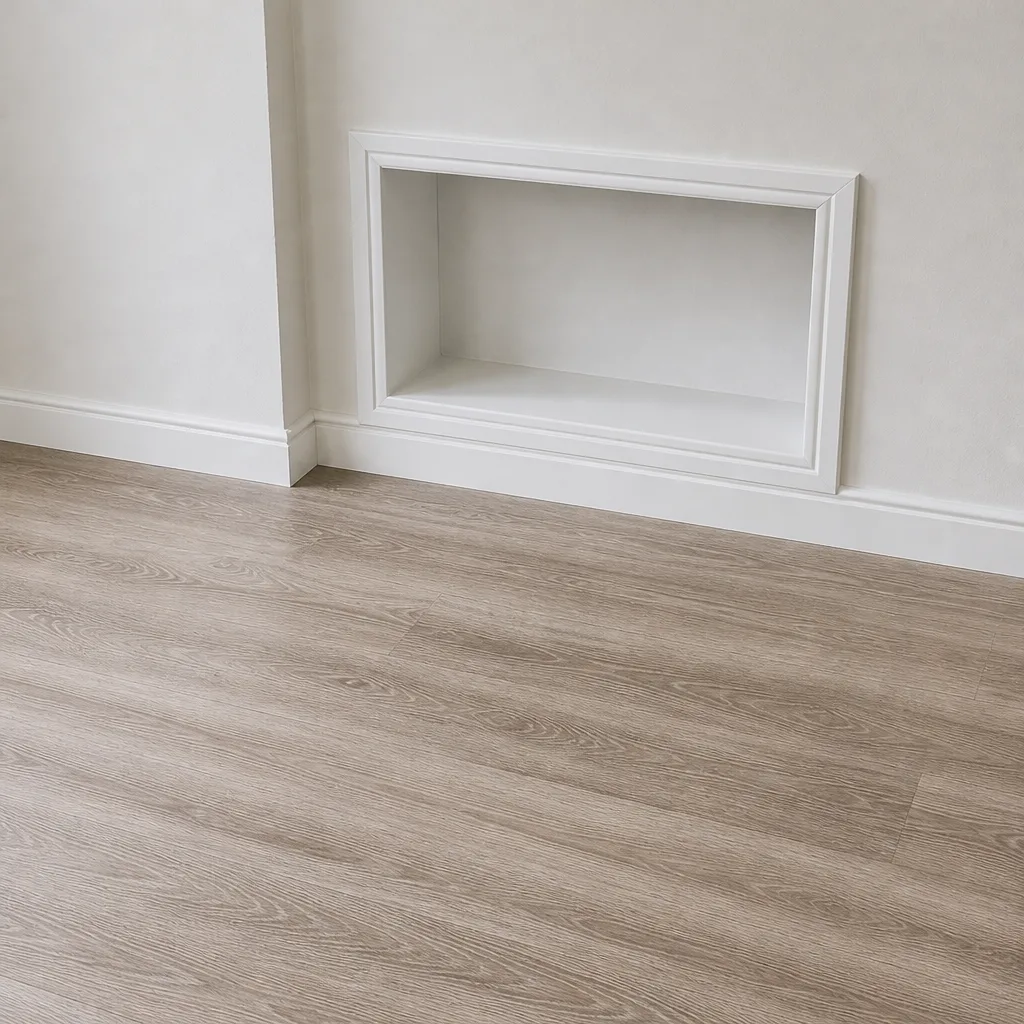
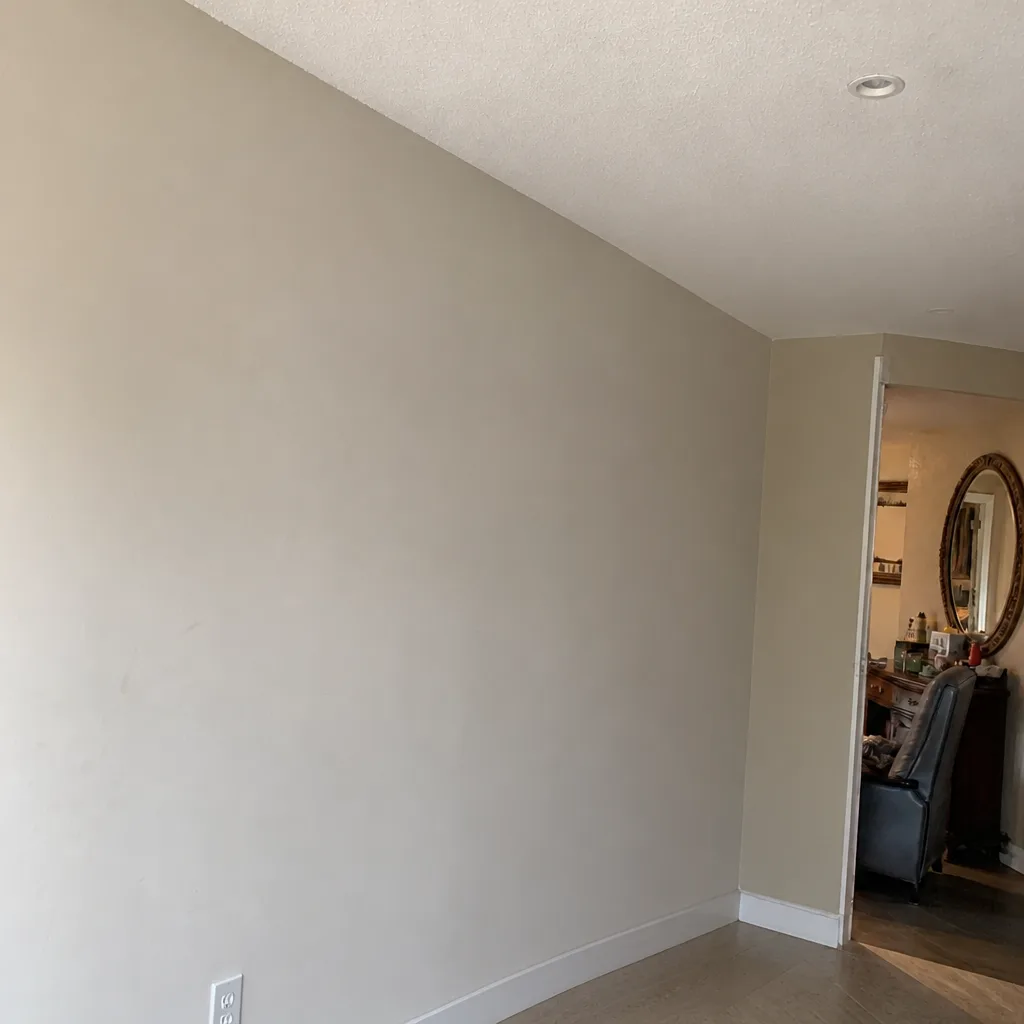
See the difference
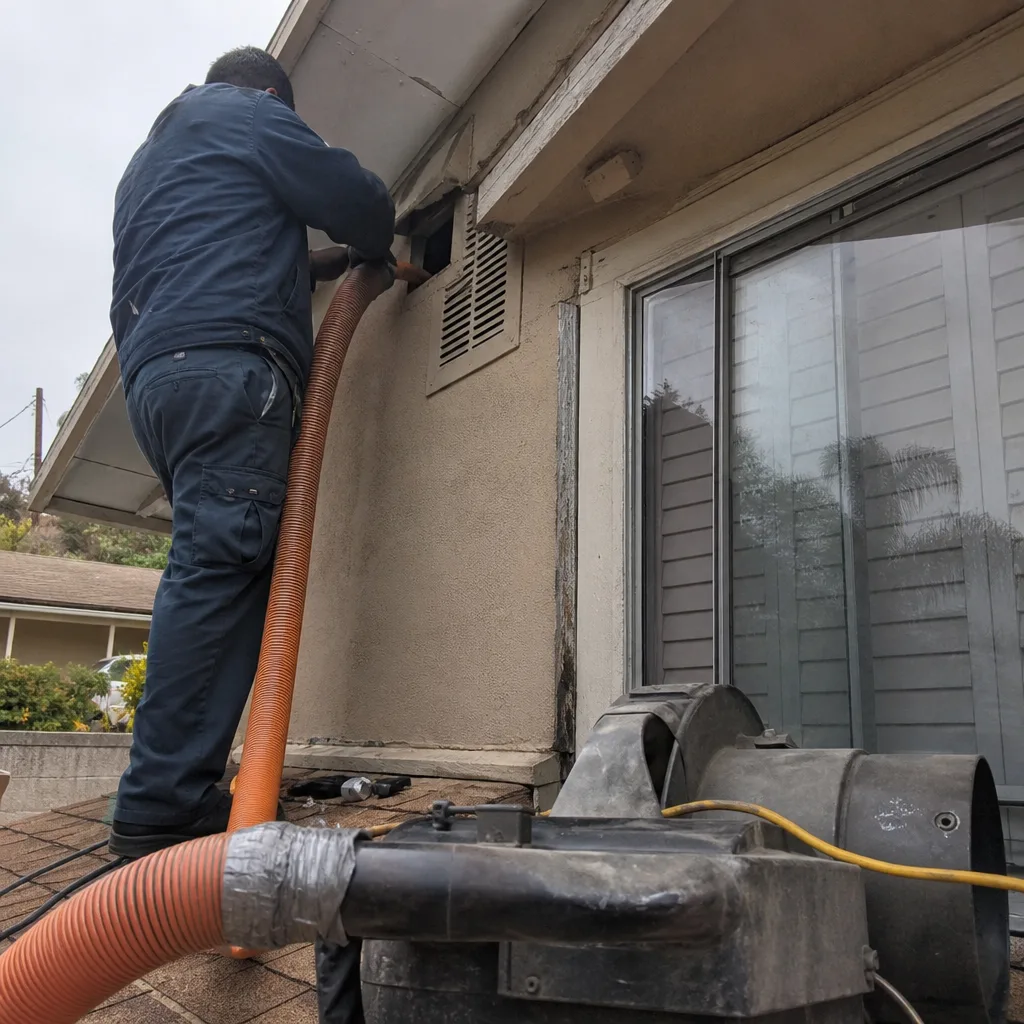 Before
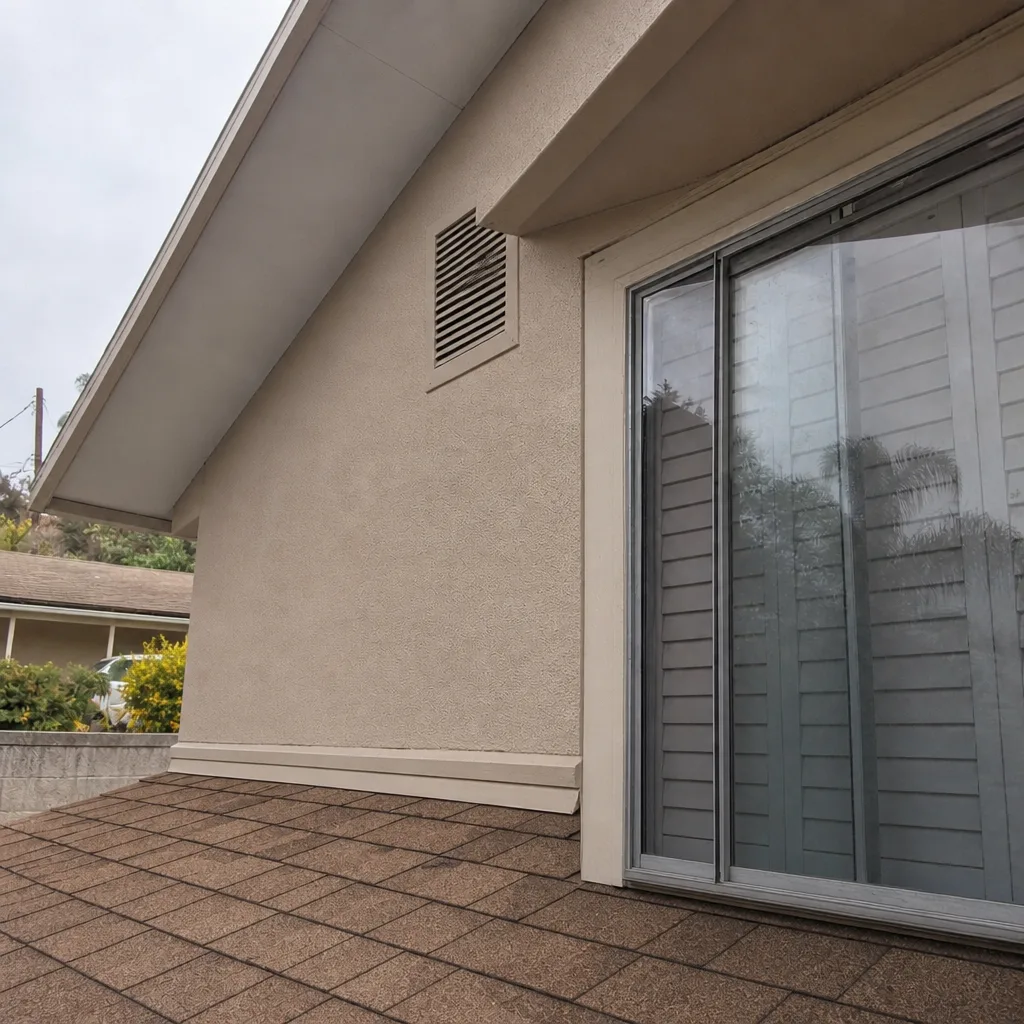 After
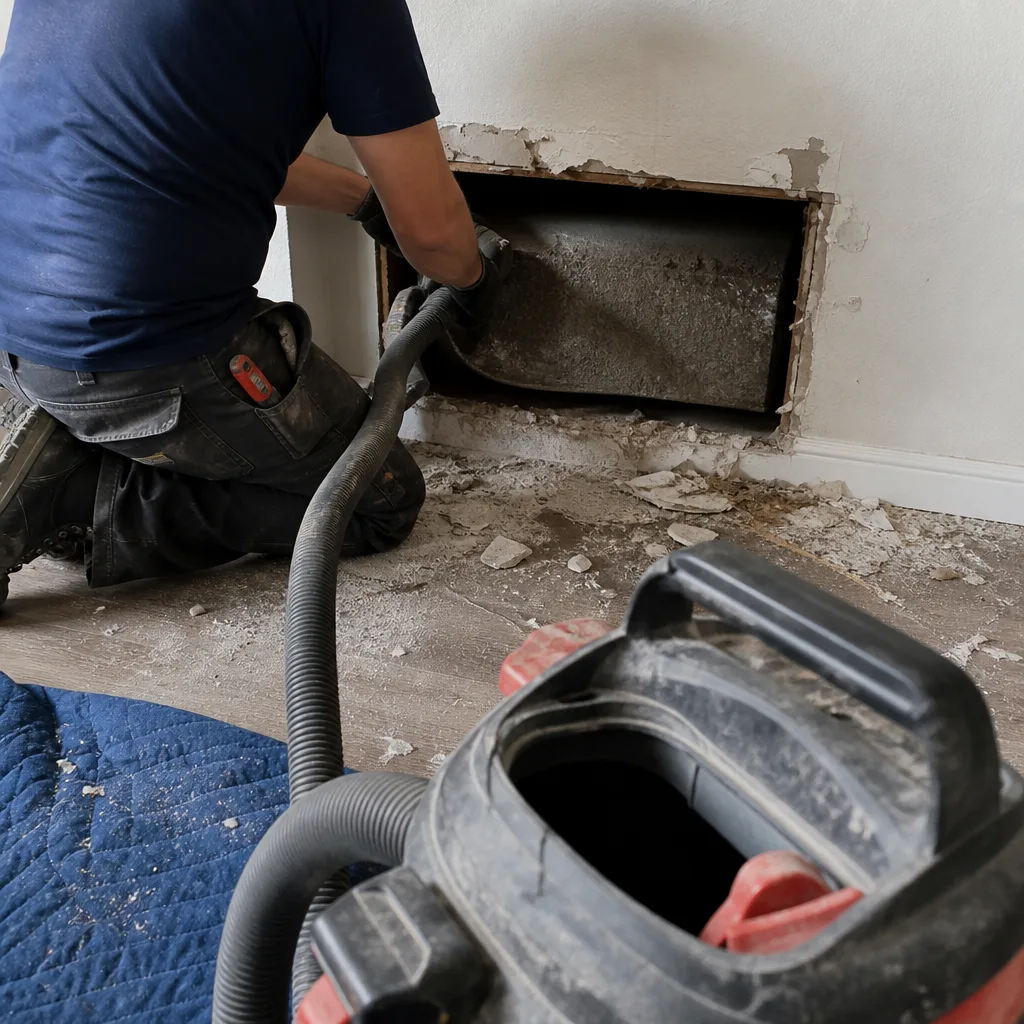 Before
 After
 Before
 After
When to Call a Professional
Call a professional duct cleaner when you notice: persistent musty or smoke odor at the registers after the marine layer or a smoke event clears; visible dust streaks or dark deposits around supply and return registers; a duct system that hasn’t been professionally inspected in several years; a recent home remodel; a household member with asthma or allergy symptoms that worsen when the HVAC runs; or a dryer that’s taking longer than usual to dry a load. These are signs that a full professional assessment and cleaning is warranted rather than just a filter change. San Juan Capistrano Air Duct Cleaning Pros offers free estimates in San Juan Capistrano. Call (844) 443-3974. We answer 24/7. Fast dispatch from 7am to 7pm, Sunday through Friday.
Frequently Asked Questions
Most San Juan Capistrano homes need professional air duct cleaning every 12 to 24 months, adjusted for pets, recent remodels, allergy concerns, and any significant wildfire smoke events. The right schedule is condition-based, not a fixed annual date. Call (844) 443-3974 for an exact quote on your home. Estimates are free.
Yes. The cooler, moister marine layer air that pushes through the return system during May through July can condense inside cooler attic duct runs, creating moisture conditions that support mold growth in the duct lining. It’s the most consequential difference between a San Juan Capistrano duct system and one a few miles inland. If you’ve noticed musty odors or dark deposits at the registers after a marine layer season, call (844) 443-3974 to schedule an inspection.
Sometimes. A brief, localized smoke event with a clean filter already in place can be handled by a filter change and a few days of running the system. If the smoke odor persists after the air clears, if you see visible deposits at the registers, or if anyone in the home has respiratory symptoms that started or worsened during the event, professional cleaning is warranted. Call (844) 443-3974 to discuss your situation.
Two windows work well: late summer, after the marine layer retreats and before the Santa Ana winds and heating season arrive, and late winter, after the wind season. Inspecting in late summer catches any moisture damage from the marine layer before it circulates through the heating season. Call (844) 443-3974 to schedule.
Lower quotes usually reflect consumer-grade vacuuming with a shop vac rather than professional rotary brush agitation, negative-air containment, and full surface cleaning. They also skip the repair and sealing step that addresses the source of the contamination. The upfront price is lower; the results don’t last. Call (844) 443-3974 for a written estimate with the exact scope of work spelled out.
Yes. Dryer vent cleaning is a dedicated service in its own right, and it’s a fire safety service more than an air quality one. Lint accumulation in a dryer vent restricts airflow and creates a genuine fire hazard. We recommend including it in the yearly maintenance review alongside HVAC and duct inspection.
The Bottom Line
San Juan Capistrano’s air conditions are not the same as inland Southern California, and duct maintenance shouldn’t be either. The marine layer creates real condensation risk in attic duct runs from May through July. The Santa Ana winds load your system with particulate from October through January. Wildfire smoke events deposit ultrafine particles that standard filters don’t fully capture. The best schedule is a condition-based one: inspect in late summer, upgrade filtration before the wind season, respond to smoke events with professional cleaning when odors or symptoms persist, and repair duct leaks before cleaning them so the work lasts. Our technicians have up to 15 years of experience with professional-grade equipment from Rotobrush and Abatement Technologies. Call (844) 443-3974 for a free estimate. We answer 24/7. Fast dispatch from 7am to 7pm, Sunday through Friday.
Written by the team at San Juan Capistrano Air Duct Cleaning Pros.