
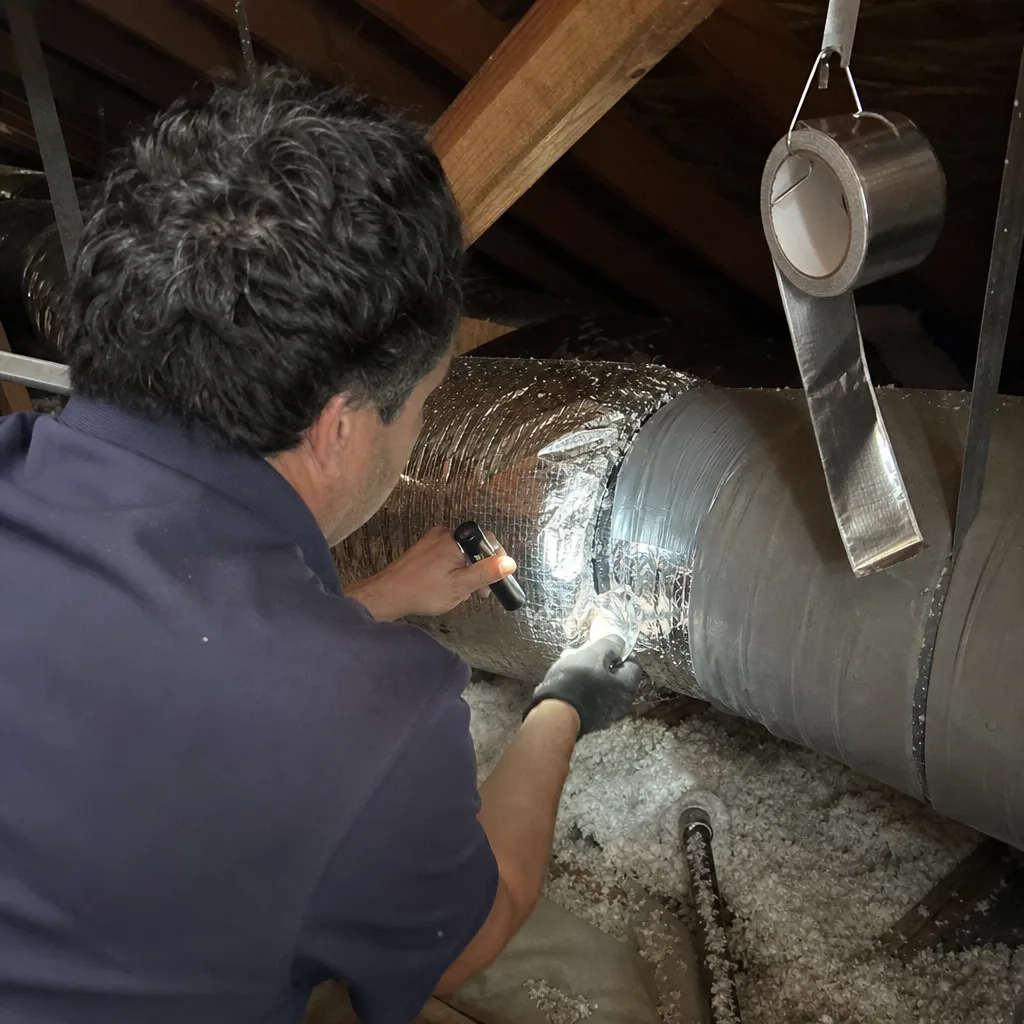
Last updated November 24, 2026
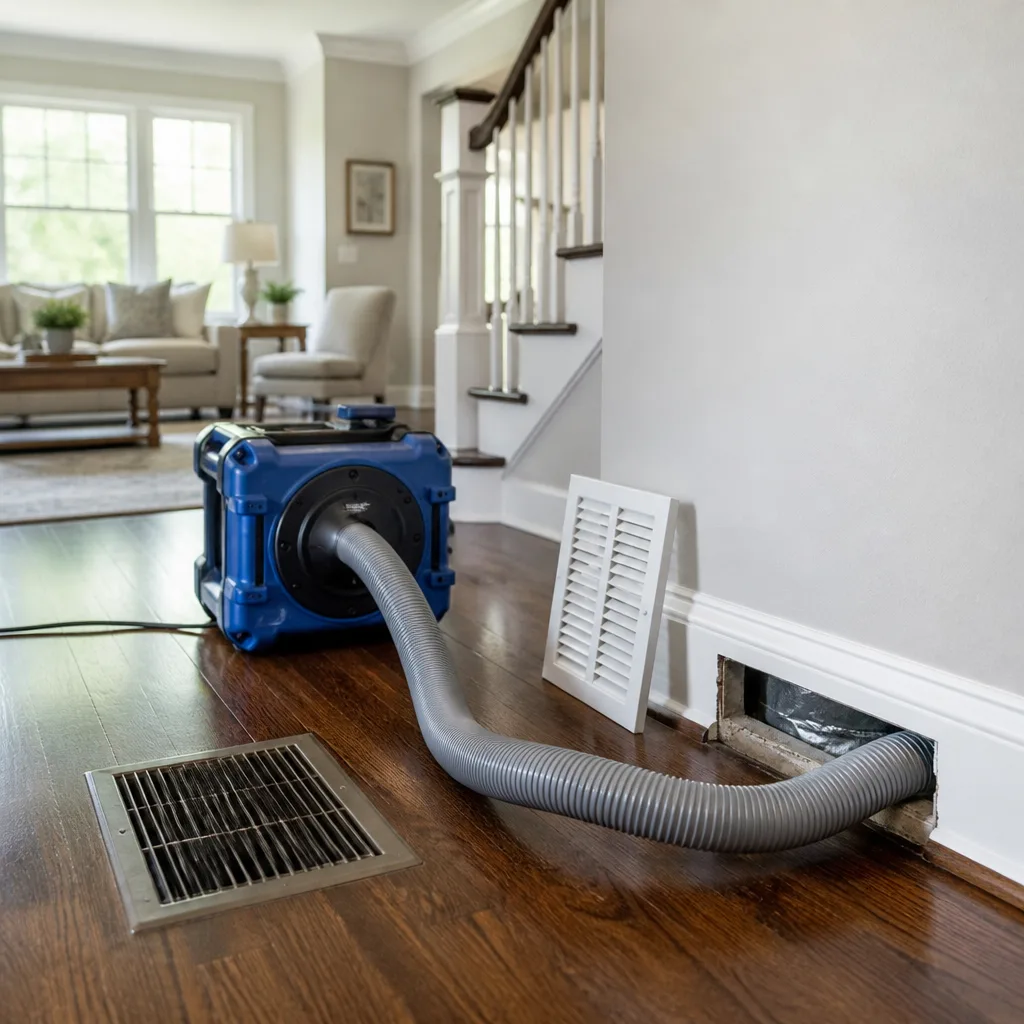 Whole-home duct cleaning
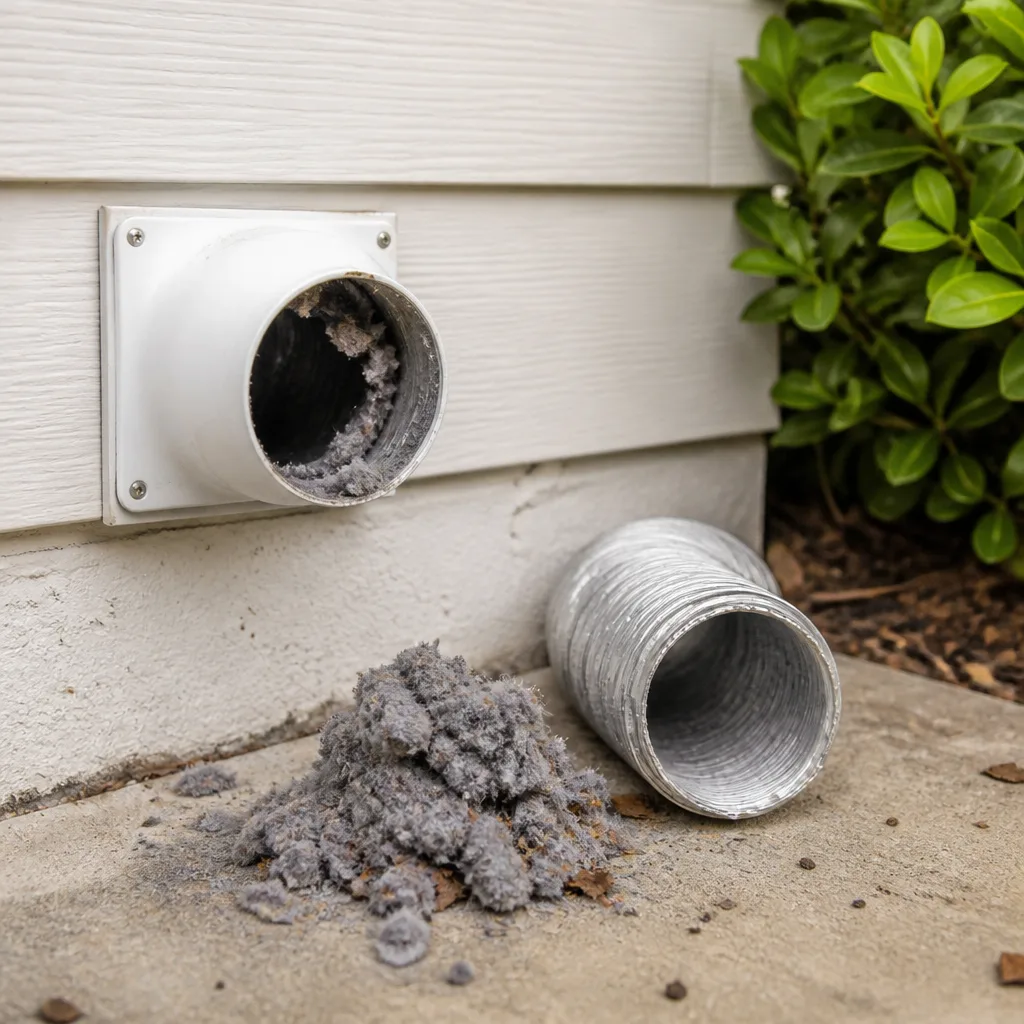 Dryer vent cleaning
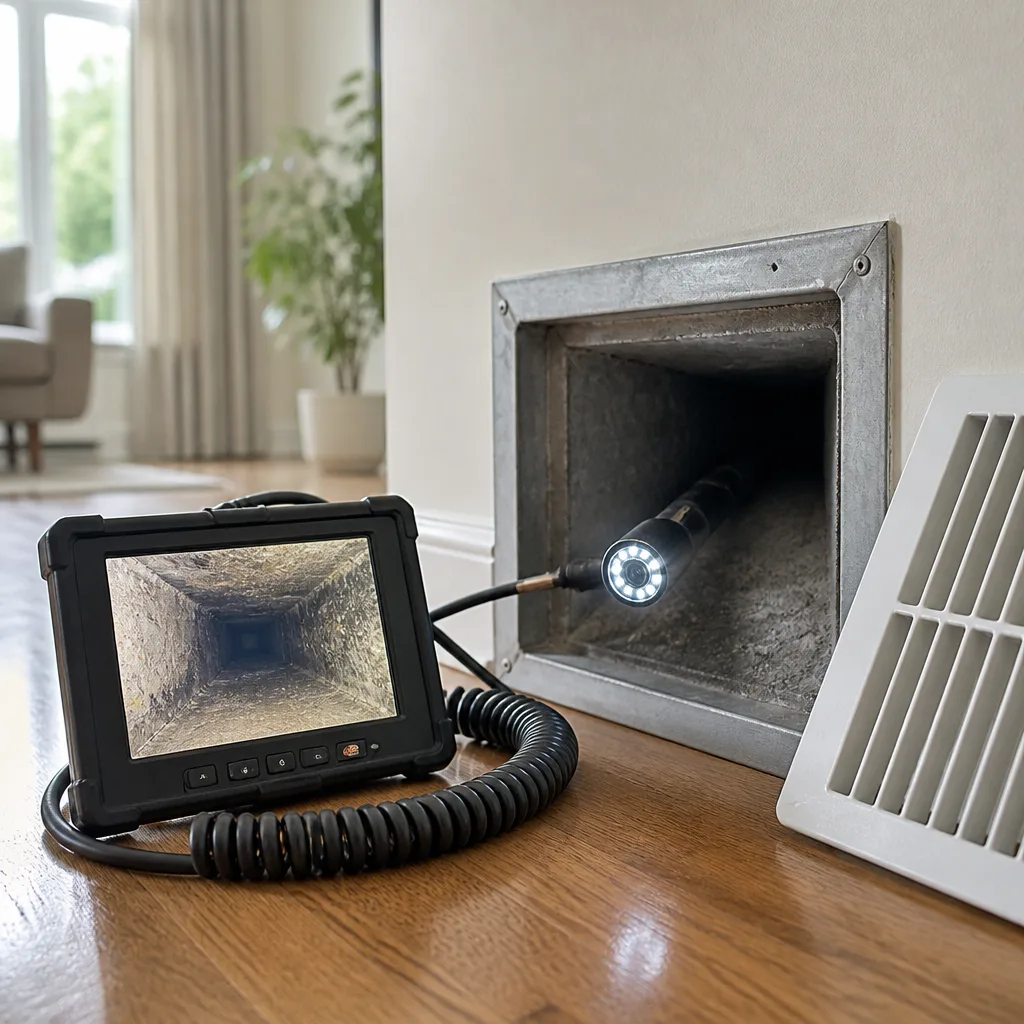 Camera inspection
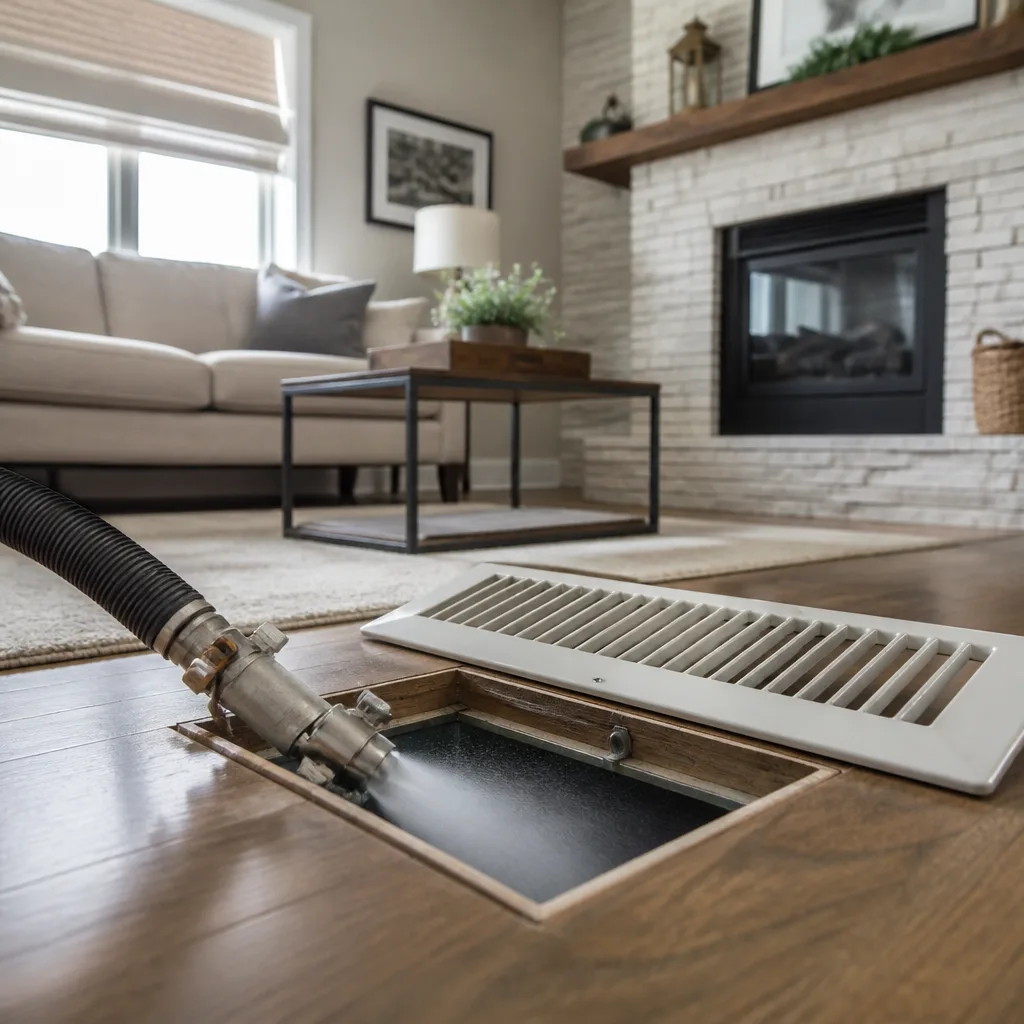 Sanitizing & deodorizing
Whole-system duct and dryer vent check with before-and-after photos - you see exactly what came out of your vents
That "$99 whole-house special" is a bait ad - the real number appears once they are in your hallway, or the "clean" is a shop-vac at the register. We photograph the inside of your ducts before and after instead.
Air Duct Cleaning Maintenance Checklist for San Juan Capistrano Homeowners
A 90-day filter reminder on your phone doesn’t know that a Santa Ana wind event just pushed fine particulate through your return grilles for three straight days. That’s the core misconception we run into: homeowners treat duct maintenance as a calendar routine when it’s really a response to what happened outside your walls. San Juan Capistrano sits in a spot where dry inland wind events, summer marine layer months, and wildfire smoke advisories each load your system differently. This guide gives you a month-by-month task matrix tied to the events that actually foul ductwork here, the thresholds that separate a quick self-check from a professional call, and a simple way to document condition over time.
Quick Answer
A practical air duct maintenance checklist for a San Juan Capistrano homeowner combines three things: filter changes and visual register checks you do yourself on a seasonal trigger (not a fixed calendar), an annual professional inspection and cleaning, and written records of what you found and when. The triggers that matter most here are Santa Ana wind season from October through January, marine layer months from May through July, and any wildfire smoke advisory that reaches south Orange County. If your registers show visible dust within two weeks of a filter change, that’s your escalation signal to book a professional inspection.
Styles & brands we work with
- Whole-home duct cleaning
- Dryer vent cleaning
- Camera inspection
- Sanitizing & deodorizing
Table of Contents
- Why a Calendar-Based Checklist Fails in San Juan Capistrano
- The Month-by-Month Task Matrix
- What You Can Check Yourself: Five Visual Inspection Points
- Filter MERV Ratings Matched to Local Air Quality
- When a DIY Check Should Escalate to a Professional
- How to Document Duct Condition Over Time
- The Dryer Vent: A Separate Safety Checklist
- Common Mistakes to Avoid
Why a Calendar-Based Checklist Fails in San Juan Capistrano
Most maintenance advice assumes a steady, predictable load on your HVAC system. That assumption breaks down in San Juan Capistrano. The city sits in a coastal-influenced pocket of south Orange County where three distinct seasonal patterns each deposit a different kind of contamination into the same ductwork.
From October into January, Santa Ana wind events push dry, dust-laden air inland. These aren’t gentle breezes. They carry fine mineral particulate and grit from the interior canyons and foothills, and they arrive fast. If your system is running during a multi-day event, that particulate gets pulled through your return and settles on duct walls, in flex duct corrugations, and on the evaporator coil.
May through July brings the marine layer months. Humidity climbs, the air cools, and ducts in unconditioned attics or crawlspaces can see condensation form on cold surfaces. Moisture plus settled dust is the combination that supports microbial growth, which is why an Air Quality & Sanitizing service matters more here than in a dry desert climate.
Then there are wildfire smoke advisories. When smoke reaches south Orange County, fine particulate in the 2.5-micron range can enter through returns and open windows. That material doesn’t just pass through; it coats surfaces and stays until it’s mechanically removed.
A checklist built on “change the filter every 90 days” ignores all three of these. The San Juan Capistrano version is event-driven: you inspect after the event, not on the anniversary of the last one.
The Month-by-Month Task Matrix
Here’s the framework we recommend for San Juan Capistrano homes. Treat these as the months to act, then adjust based on what actually happened that year.
| Period | Local Trigger | Your Task |
|---|---|---|
| September | Pre-Santa Ana prep | Replace filter before wind season. Photograph all supply and return registers. Note any flex duct sag visible in the attic. |
| October – January | Santa Ana wind season | Check registers every 2 – 3 weeks. Replace filter after any multi-day wind event. Log dates of events you experienced. |
| February – April | Post-wind settling period | Book the annual professional inspection and cleaning. This is the ideal window before cooling season begins. |
| May – July | Marine layer months | Watch for condensation at registers and flex duct in unconditioned spaces. Check for musty odor. Increase filter attention. |
| August – September | Wildfire smoke advisories | Keep windows closed during advisories. Replace filter after any smoke event. Consider an upgraded filtration setup. |
| Year-round | Dryer vent | Inspect and clean dryer vent annually, and after any load that produces lint buildup at the exterior termination. |
The February – April window is deliberate. In our experience, cleaning after the wind season but before the cooling season gives you a fresh system going into the months when it runs hardest. The annual inspection is also when duct repair and sealing gets assessed, so any air loss at collars or joints is addressed before summer.
Every task on this matrix has a threshold attached to it. If a task’s threshold is met, you escalate. If it isn’t, you wait for the next trigger.
What You Can Check Yourself: Five Visual Inspection Points
You don’t need equipment to catch the early signs of duct contamination. Five points, checked in order, tell you most of what a professional would see on a walkthrough.
- Register color. Remove a supply register and look at the inside of the boot. White or light-colored boots that show gray or brown streaking within two weeks of a filter change mean particulate is reaching the ducts faster than filtration is removing it.
- Flex duct sag. If your system uses flex duct in the attic, look for sections that sag more than a few inches between supports. Sagging creates low spots where dust and moisture collect and where airflow drops.
- Insulation separation at collars. Where the duct connects to the register boot or the air handler plenum, check whether the outer insulation has pulled away. A gap there lets attic air, insulation fiber, and dust enter the airstream directly.
- Return grille buildup. A return grille that shows visible lint or fiber matting after a filter change is telling you the filter isn’t sealing at its frame. Look for gaps around the filter edges.
- Odor at startup. Musty or dusty smell in the first minute after the system starts, especially in summer, suggests moisture activity inside the system. That’s a professional inspection trigger, not a wait-and-see.
Do these checks with the system off and the filter removed so you can see the actual duct surface. If you find condensation, microbial growth, or heavy debris, stop there. Cleaning and remediation at that level needs contained, professional-grade equipment, not a consumer vacuum.
Filter MERV Ratings Matched to Local Air Quality
Generic guidance says “use a MERV-8 filter.” That’s a reasonable default, but it doesn’t account for the particulate load from Santa Ana events or smoke advisories, and it doesn’t account for the airflow limits of a residential system.
Here’s the practical breakdown for San Juan Capistrano homes:
- MERV-8: Your baseline. Handles everyday dust and pollen and keeps airflow restriction low. Good default for most of the year.
- MERV-11 to MERV-13: Worth considering during Santa Ana wind season and smoke advisories. These catch fine particulate much better, but they restrict airflow more. A system with undersized return ducts may struggle.
- MERV-16 and above: Typically too restrictive for a standard residential air handler without a purpose-built filter cabinet. Don’t force it into a 1-inch slot.
The honest answer to filter questions is that the rating chooses itself once you know two things: the particulate events you’re dealing with and the static pressure your system can tolerate. A Honeywell or Aprilaire filter cabinet installed to hold a deeper media filter lets you run a higher MERV without the airflow penalty of a 1-inch pleated filter. That’s one of the upgrades we routinely recommend after air duct cleaning, when the ducts are clean and the filter is the only remaining variable.
Whatever rating you use, seal the filter frame. An unsealed 1-inch filter lets air bypass around the edges, and then the rating means nothing.
When a DIY Check Should Escalate to a Professional
Most residential duct systems don’t need deep cleaning constantly, and a professional inspection that finds a clean system is a good outcome. The point of a checklist is to know when to stop checking and call.
Escalate when any of these thresholds is met:
- Visible particulate on supply registers within two weeks of a filter change. This is the clearest signal that filtration isn’t keeping up and the ducts themselves are holding debris.
- Any visible microbial growth or persistent musty odor. Remediation-level cleaning with contained negative-air equipment is the right response, not a scrub brush.
- Heavy debris in the return plenum. If you can see accumulation thicker than a light dusting on the return duct floor, it’s time.
- Insulation separation at more than one collar. Multiple gaps point to installation or settling issues that should be repaired and sealed, not just cleaned.
- Airflow imbalance after filter changes. Rooms that stay warm or cool regardless of filter condition may have a duct repair and sealing issue rather than a contamination problem.
- A new-to-you home with no duct records. Unknown history is a reason to inspect once, document, and start the record fresh.
For the whole-system scope and what a professional job entails, see our main page on San Juan Capistrano air duct cleaning. Our technicians have up to 15 years of experience and work with professional-grade Rotobrush and Nikro systems for mechanical agitation, plus Abatement Technologies negative-air equipment when remediation-level containment is needed. That’s a different process than vacuuming a register and calling it done.
How to Document Duct Condition Over Time
A duct maintenance record is both a practical tool and a resale asset. Buyers and their inspectors ask for maintenance history, and a clear record with dates and photos answers the question better than a verbal “we’ve kept up with it.”
Here’s a simple record format that takes about five minutes per inspection:
- Date and event. Note the date and the trigger: “post-Santa Ana event,” “after smoke advisory,” “annual inspection.”
- Photograph each register. Same angle, same lighting, every time. The value is in the comparison, not the single photo.
- Filter MERV rating and change date. Record the rating you installed and when. This matters when you’re troubleshooting airflow.
- Noted anomalies. Flex duct sag, insulation gaps at collars, odor, condensation. Write what you saw, not what you think it means.
- Professional service records. Keep the written estimate and invoice from any professional cleaning, repair, or sealing work. These are the records that support resale.
If you want a local air quality reference point, note the Air Quality Index reading during any smoke advisory or wind event. It gives context to what your system was exposed to and makes the record more useful than a photo alone. Over a few years you’ll have a clear picture of your home’s exposure history in San Juan Capistrano, which is more valuable than a generic “ducts cleaned in [year]” sticker.
The Dryer Vent: A Separate Safety Checklist
Duct cleaning checklists often treat the dryer vent as an afterthought. It shouldn’t be. A dryer vent is a fire-safety component, and lint accumulation in the vent line is the leading reason dryer fires start.
The self-check items that matter:
- Check the exterior termination flap. It should open freely when the dryer runs and close when it stops.
- Feel the outside of the vent line while the dryer runs. A hot vent line suggests restricted airflow.
- Notice dry time. Loads that used to take 45 minutes and now take 70 minutes are a sign of lint restriction, not a failing dryer.
- Look for lint accumulation at the termination point after each load. Persistent buildup means the line needs cleaning.
An annual dryer vent cleaning combined with the duct inspection keeps both systems on the same maintenance cycle. Fire safety starts at the dryer vent, and it’s a service we treat with the same professional-grade equipment standard as duct work itself.
Common Mistakes to Avoid
- Relying on a calendar reminder instead of an event trigger. A Santa Ana wind event can load your ducts more in three days than three normal months. Check after the event, not just when the app says so.
- Buying the highest-MERV filter available. A restrictive filter in an undersized slot starves your system for airflow. Match the rating to your system’s capacity, not the label on the box.
- Skipping the filter frame seal. An unsealed filter lets air bypass around the edges, and that bypass air carries dust straight into the ducts. Check the fit, not just the rating.
- Treating a musty smell as normal. In a marine layer climate, a persistent musty odor after the system starts usually points to moisture activity inside the system. It won’t resolve on its own.
- Ignoring the dryer vent because the dryer still works. Reduced airflow is the warning before the failure. Restricted vent lines are a fire-safety issue, not a convenience one.
- Hiring a duct cleaner who only vacuums registers. A shop vac and a register brush don’t agitate duct walls or contain debris. Ask what equipment is being used and whether repair and sealing are part of the scope.
- Not keeping records. A written maintenance history supports resale and saves you from repeating inspections you’ve already had done.
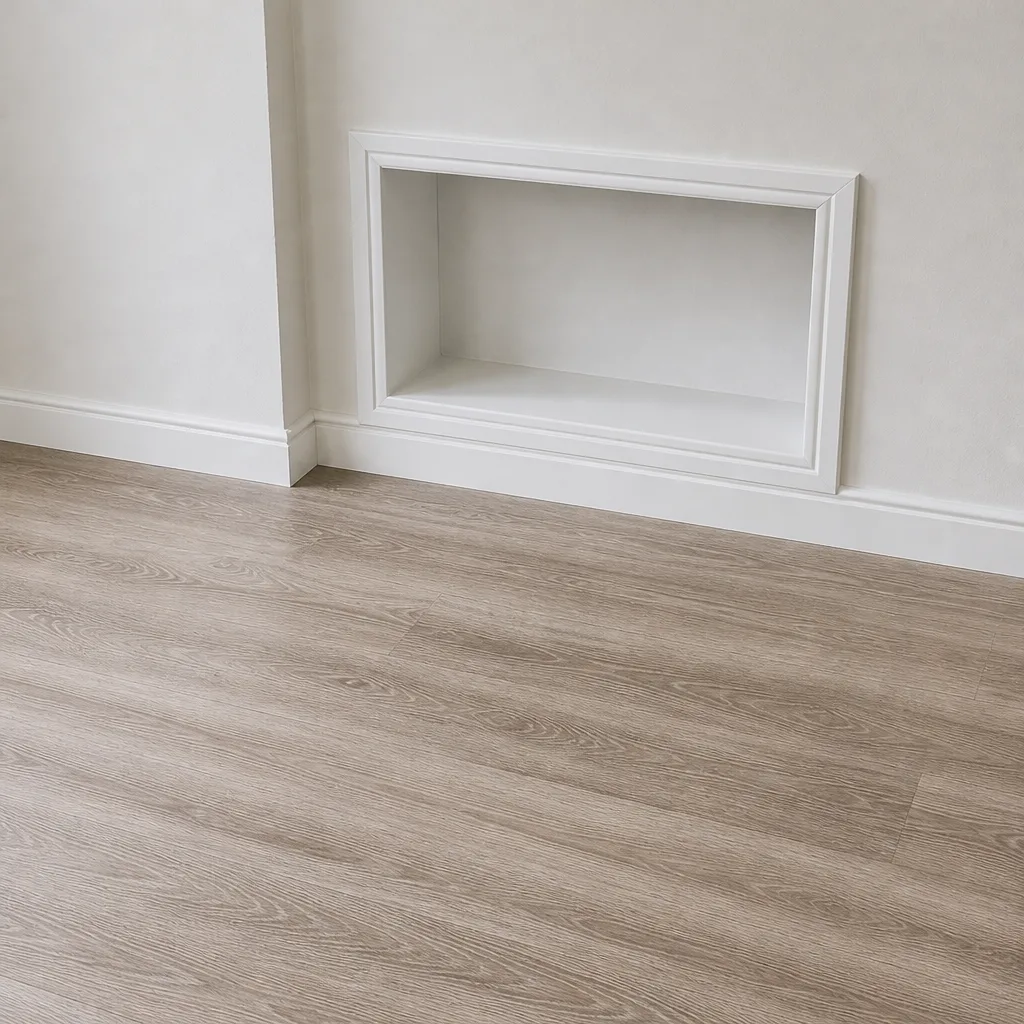
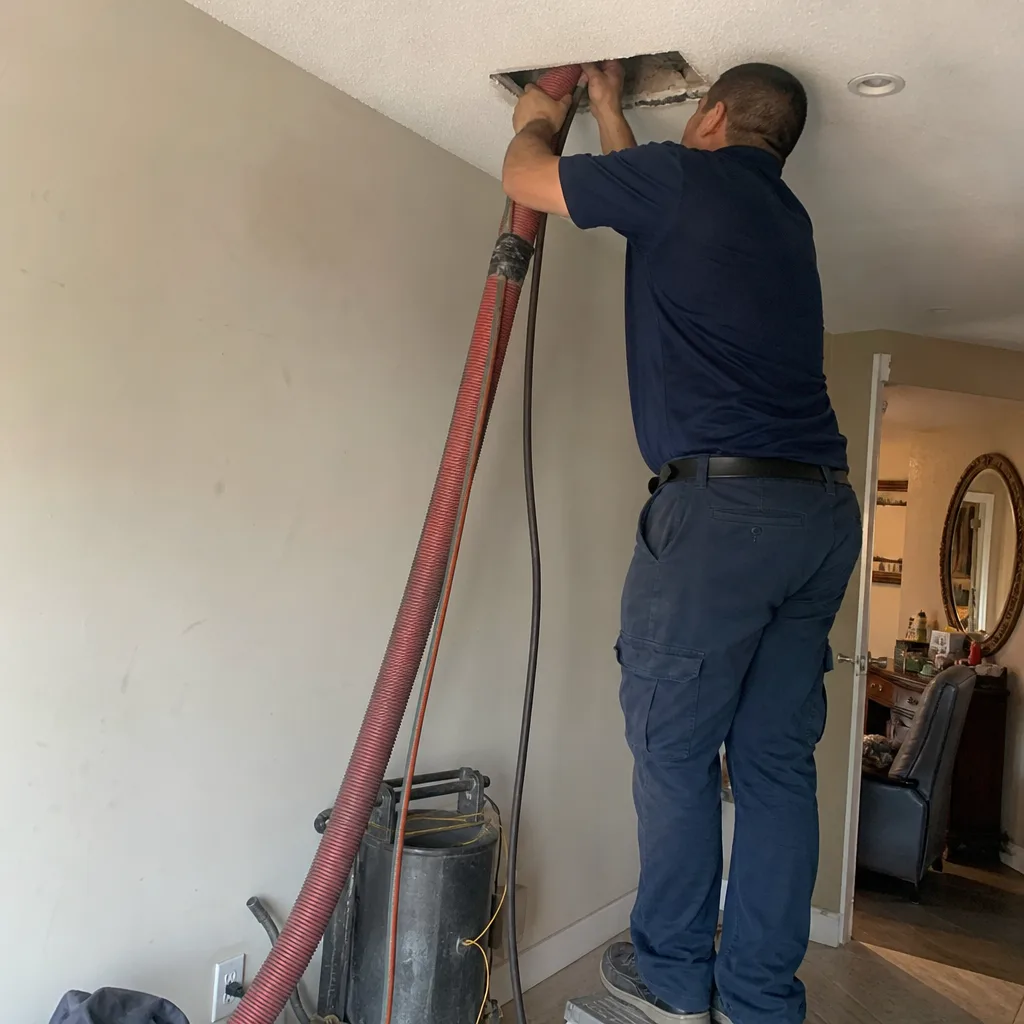
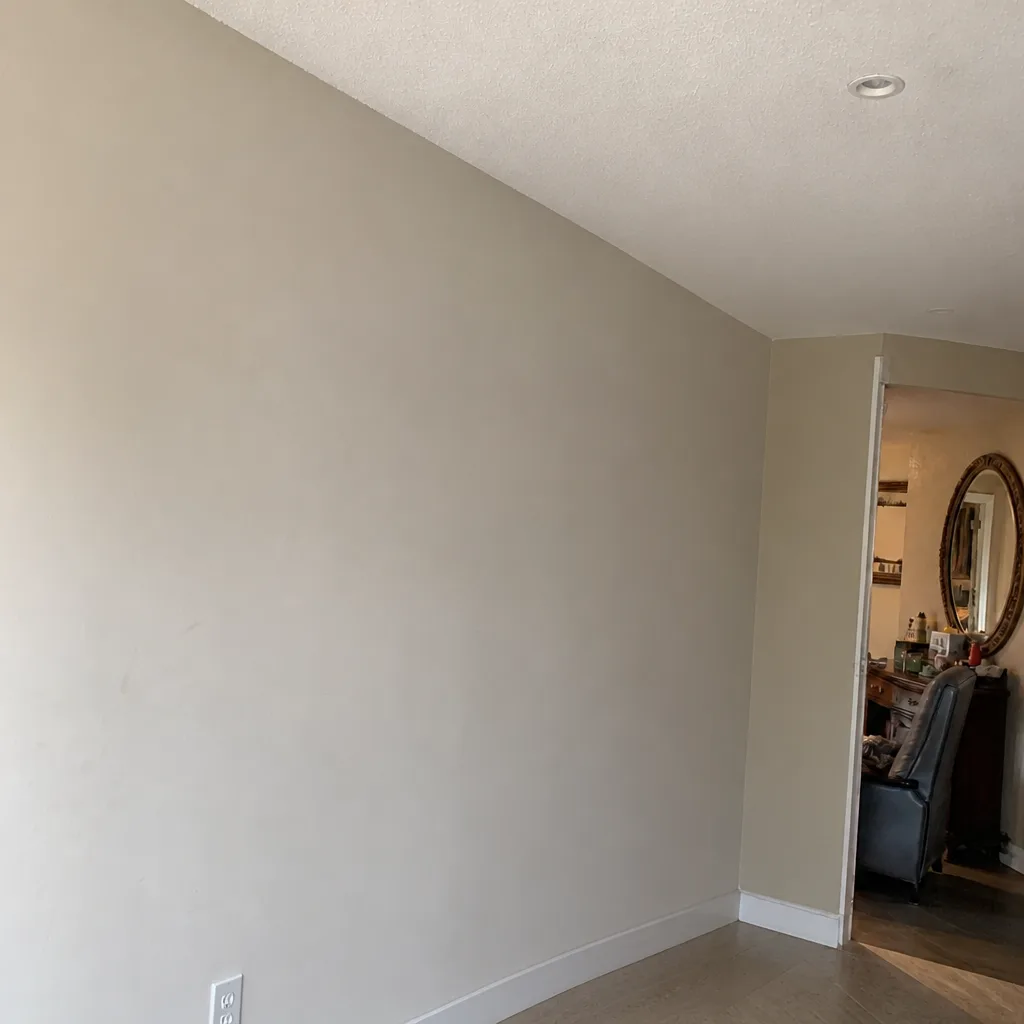
See the difference
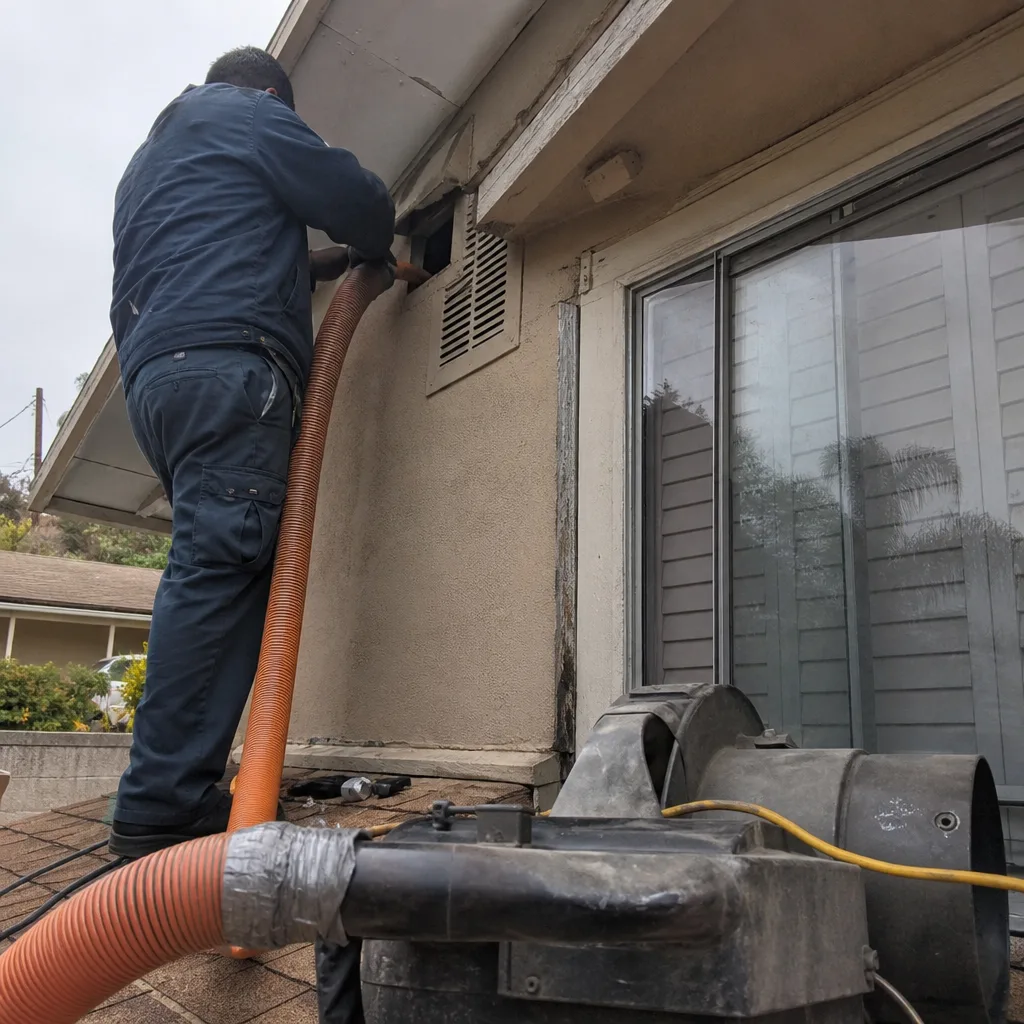 Before
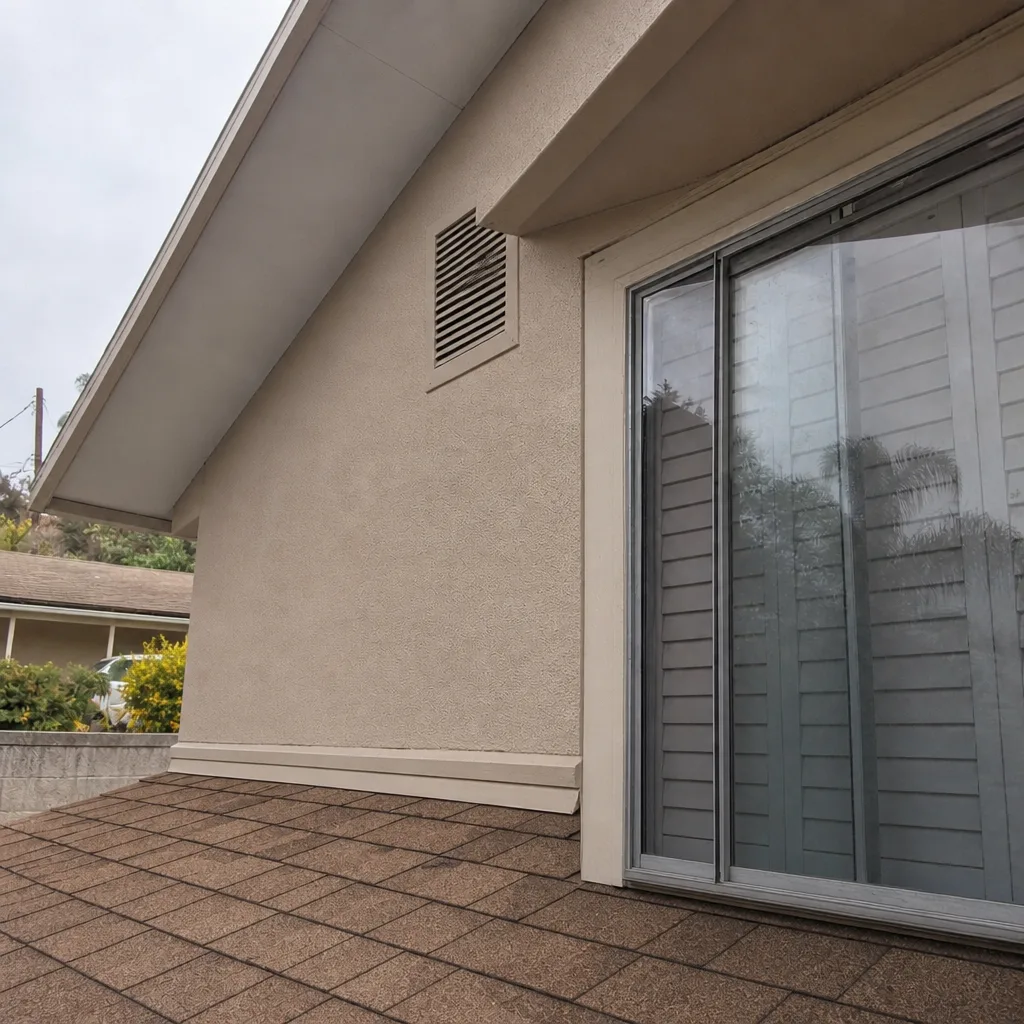 After
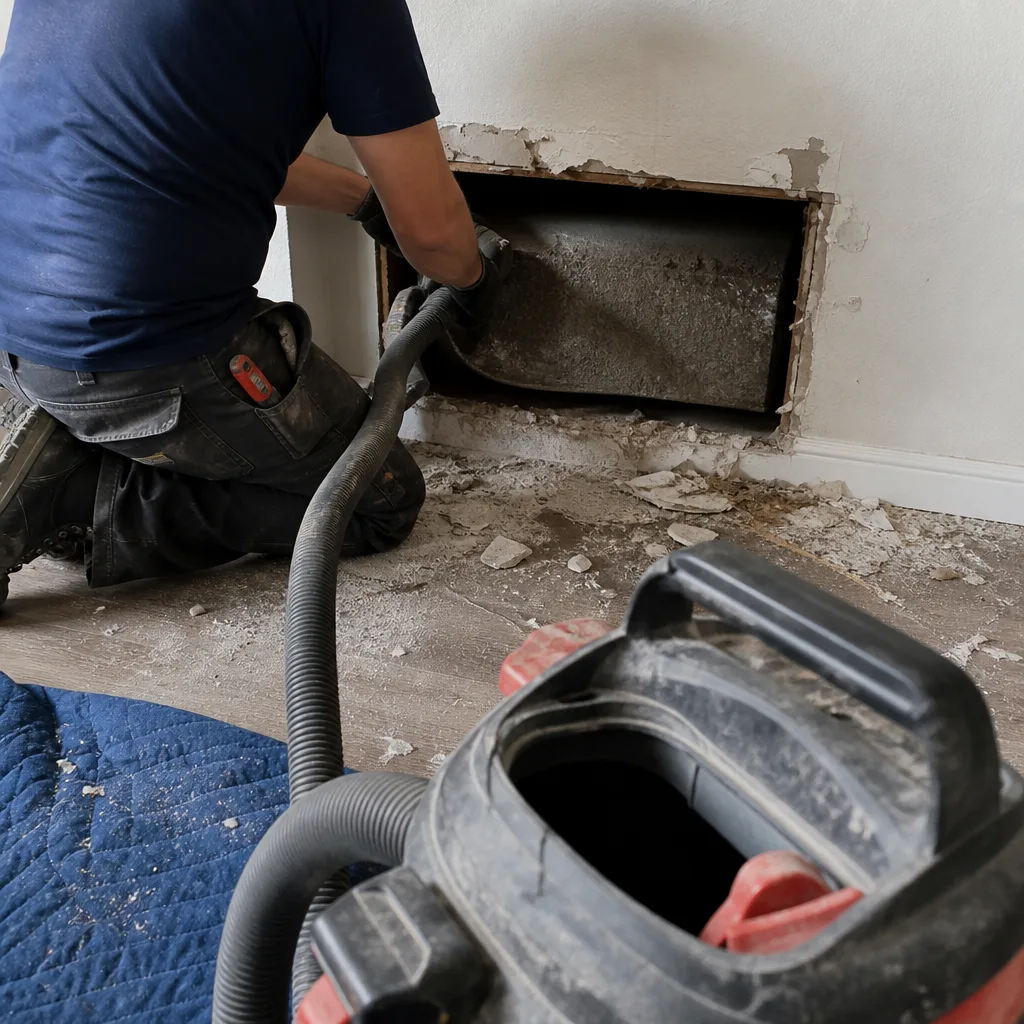 Before
 After
 Before
 After
When to Call a Professional
Call a professional when any of your checklist thresholds is met: visible particulate on supply registers within two weeks of a filter change, musty odor, visible growth, insulation separation at multiple collars, or a home with no duct history. Call also if airflow problems persist after filter changes, because that points to a duct repair and sealing issue rather than cleaning. And call if your dryer vent shows restricted airflow, hot vent line, or persistent lint buildup at the termination.
San Juan Capistrano Air Duct Cleaning Pros offers free estimates in San Juan Capistrano. We clean, repair, and seal using professional-grade equipment, and we agree on one flat price per system before work starts. For HVAC cleaning that extends to the coil and air handler, or for a full-system evaluation after a heavy wind season, call (844) 443-3974. We answer 24/7. Fast dispatch from 7am to 7pm, Sunday through Friday.
Frequently Asked Questions
Once a year is the baseline for most San Juan Capistrano homes, timed to the period after Santa Ana wind season and before cooling season begins. Homes with pets, allergy or asthma concerns, or a recent wildfire smoke exposure may need inspection more often. The checklist thresholds on this page will tell you when to escalate sooner.
MERV-8 is the practical default for most of the year, with MERV-11 to MERV-13 during Santa Ana wind events and smoke advisories if your system can handle the airflow restriction. MERV-16 and above is usually too restrictive for a standard residential 1-inch slot. A deeper filter cabinet from Honeywell or Aprilaire lets you run a higher rating without the airflow penalty.
Yes, when the checklist thresholds are met. The Santa Ana wind season, marine layer months, and smoke advisories each load ducts differently, and the combination means San Juan Capistrano homes see contamination events that a moderate-climate home doesn’t. That said, cleaning on a schedule without checking condition is a waste; cleaning when the thresholds are met is the point.
Annually is the baseline for most homes, and more often if the vent line is long or your dryer runs frequently. Check the exterior flap and dry time as early indicators. Dryer vent cleaning is a fire-safety service, so don’t wait for a problem to appear before booking it.
Date, trigger (wind event, smoke advisory, annual), photographs of each register from a consistent angle, filter MERV rating and change date, and any anomalies like flex duct sag or insulation gaps. Keep the written estimate and invoice from professional work. This record supports resale and helps you spot trends over time.
We’re open Sunday through Friday, 7am to 7pm, and closed Saturday. Call (844) 443-3974 for a free estimate. We answer 24/7. Fast dispatch from 7am to 7pm.
The Bottom Line
The right duct maintenance checklist for a San Juan Capistrano home isn’t a calendar reminder; it’s a trigger-based inspection protocol tied to Santa Ana wind events, marine layer months, and smoke advisories. Replace filters on schedule but inspect after events. Photograph registers and keep records. Watch for the five visual signals – register color, flex duct sag, insulation separation, return grille buildup, and odor at startup. When thresholds are met, call a professional who cleans, repairs, and seals, using equipment like Rotobrush and Nikro rather than a consumer vacuum. The dryer vent is part of the same cycle. Build the record, act on thresholds, and your system stays clean and efficient through every season San Juan Capistrano throws at it.
Call (844) 443-3974 for a free estimate in San Juan Capistrano. We answer 24/7. Fast dispatch from 7am to 7pm, Sunday through Friday.
Written by the team at San Juan Capistrano Air Duct Cleaning Pros.