
Last updated November 24, 2026
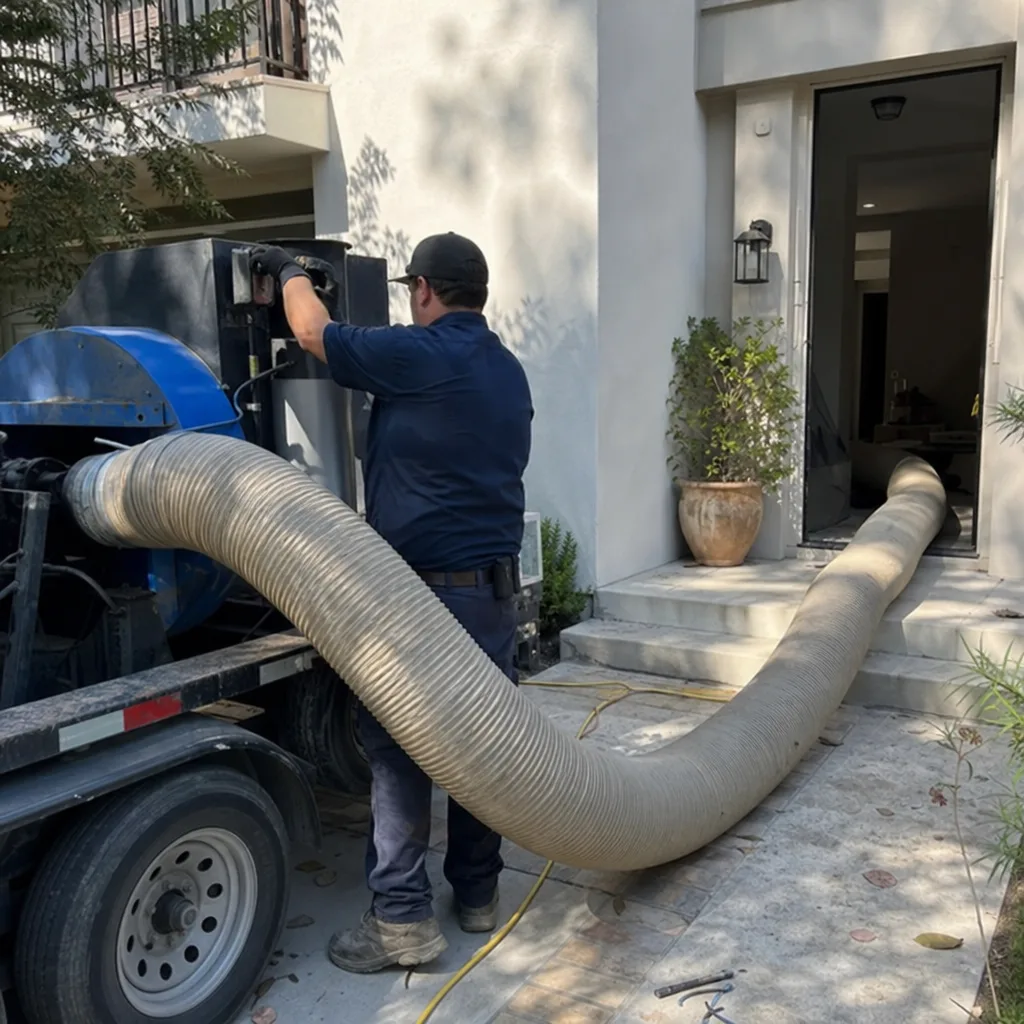
 Whole-home duct cleaning
 Dryer vent cleaning
 Camera inspection
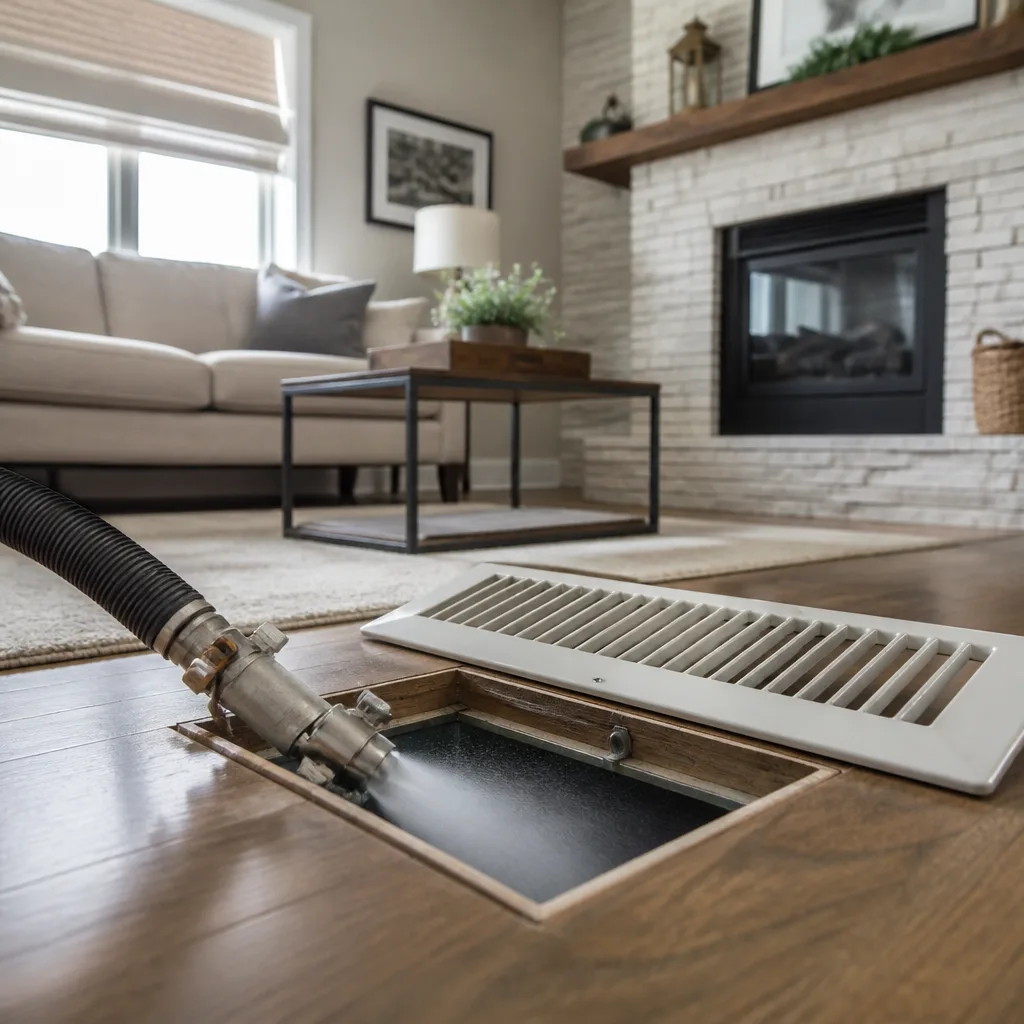 Sanitizing & deodorizing
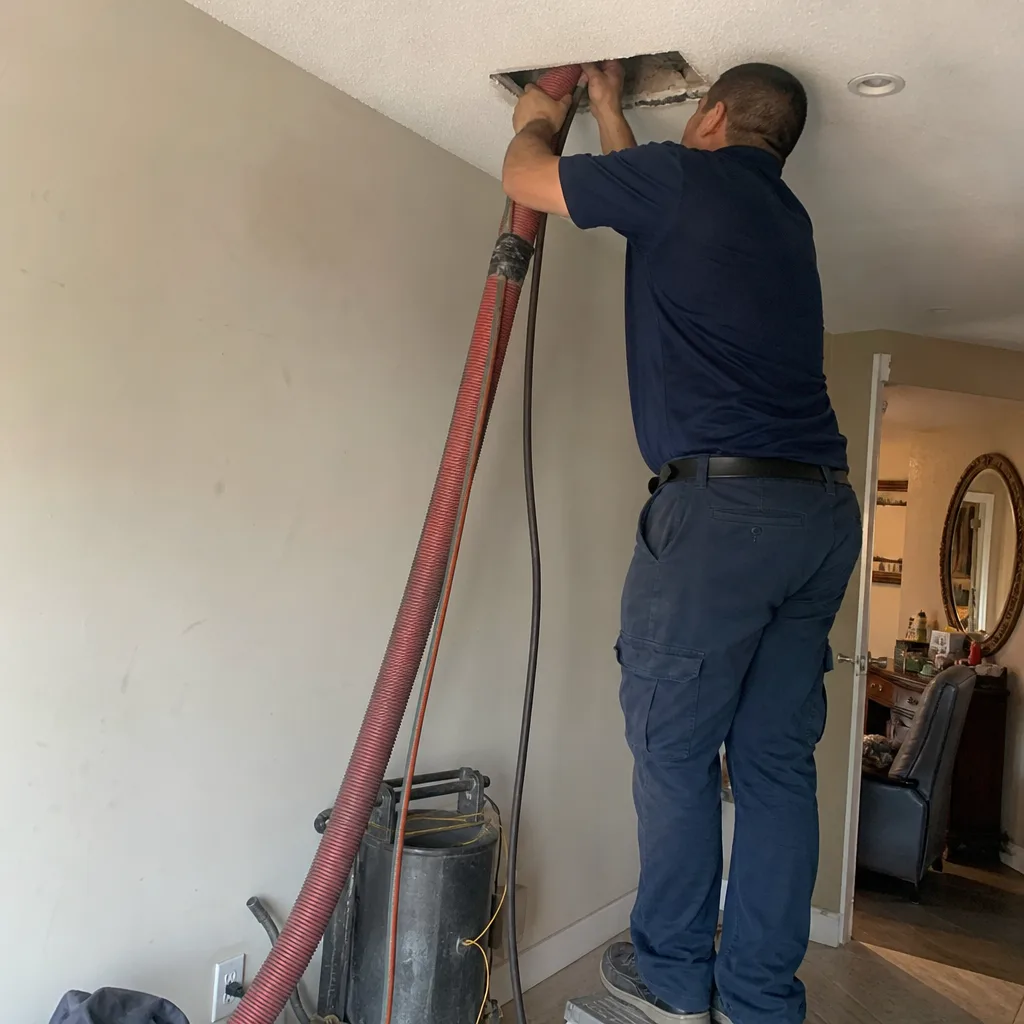
Whole-system duct and dryer vent check with before-and-after photos - you see exactly what came out of your vents
That "$99 whole-house special" is a bait ad - the real number appears once they are in your hallway, or the "clean" is a shop-vac at the register. We photograph the inside of your ducts before and after instead.
Air Duct Cleaning Warning Signs: A San Juan Capistrano Homeowner’s Reference Guide
By the time you see dust blowing from your supply registers, the contamination event that caused it happened weeks or months ago. The signs that actually give you early warning are quieter: a faint smell at first startup, a faint dark streak near a grille, a system that runs a little longer than it used to. Most homeowners don’t know what they’re looking at until the problem is well established. This guide walks through the subtle indicators we’ve learned to read in San Juan Capistrano homes, explains the mechanical reason behind each one, and shows you what to check before you spend money on a cleaning you may or may not need.
Quick Answer
The earliest warning signs of a duct contamination problem are not visible dust. They’re a musty smell that appears only during the first few minutes of morning startup, dark streaking around register frames rather than even gray dust rings, an HVAC system running noticeably longer than it did a season ago, and allergy symptoms that cluster in one or two rooms instead of the whole house. Any of these means air is moving through a section of ductwork that has accumulated moisture, debris, or a leak, and a professional inspection is worth the call before the problem spreads.
Styles & brands we work with
- Whole-home duct cleaning
- Dryer vent cleaning
- Camera inspection
- Sanitizing & deodorizing
Table of Contents
- Differential Smell Mapping: The First-Startup Clue
- Register Discoloration Patterns: What Gray Versus Dark Means
- HVAC Runtime Changes: The Silent Efficiency Signal
- Allergy Symptom Geography: When One Room Tells the Story
- Post-Renovation and Post-Pest-Treatment Indicators
- What Older San Juan Capistrano Housing Reveals
- A 10-Minute Self-Check You Can Do This Week
- Common Mistakes to Avoid
- When to Call a Professional
Differential Smell Mapping: The First-Startup Clue
A musty odor that appears only during the first few minutes of morning startup is not the same thing as a musty odor that lingers all day. That distinction matters more than almost any other early indicator, and it’s the one most San Juan Capistrano homeowners overlook.
Here’s the mechanical reason. Overnight, the system sits idle. Air inside the ductwork cools, and in a closed duct that has any accumulated dust film on its walls, moisture from the indoor air condenses onto those surfaces. By morning, that film is damp. When the blower kicks on, the first air pushed through picks up that damp, musty smell and delivers it to every register in the zone. Once the system has run for ten or fifteen minutes, the surfaces dry out and the smell fades.
What this tells you is that a specific section of duct is holding overnight moisture, not that the whole system is contaminated. The diagnostic starting point is figuring out which zone the smell reaches first or strongest. If one room smells worse than the others at startup, the return or supply run feeding that room is the likely source.
Compare that to a smell that’s present all day, even hours after the system has run. That pattern points to a different cause: biological growth on a coil, standing moisture in a drain pan, or debris sitting in a filter housing. Both deserve attention, but they call for different checks.
- Smell fades within 10-15 minutes: overnight moisture condensation in a specific duct section.
- Smell stays all day: growth or moisture on the air handler, coil, or filter housing.
- Smell is worse in one room: the supply or return serving that room is the diagnostic target.
- Smell appears only after rain or humid spells: a leak or an unsealed joint letting outside air in.
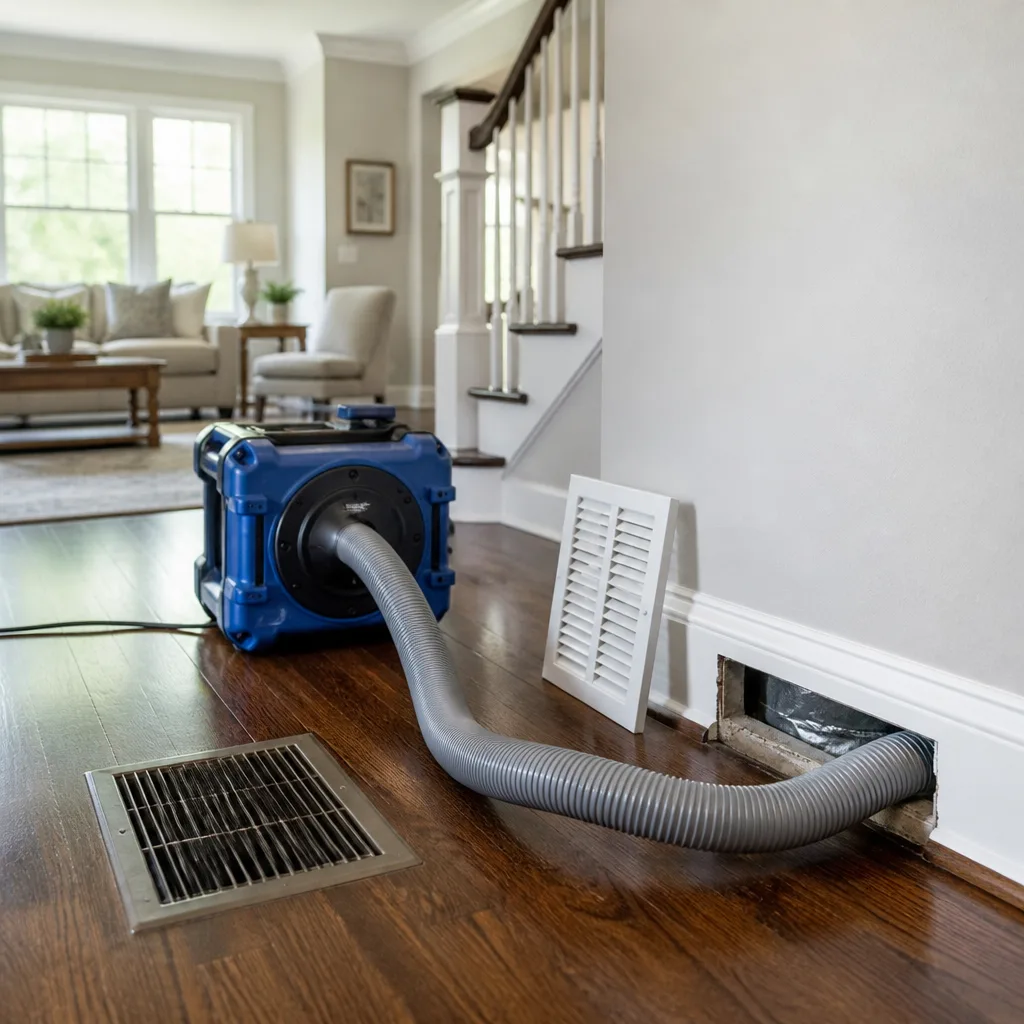
When the smell pattern points to ductwork, the right move is a proper inspection of that section rather than a whole-house cleaning on a guess. Professional equipment matters here: a technician using a Rotobrush rotary brush system can agitate and inspect the duct walls mechanically, which a shop vac can’t do.
Register Discoloration Patterns: What Gray Versus Dark Means
Not all rings around a supply register mean the same thing. An even gray ring of fine dust around the frame is normal bypass, dust that escapes from gaps between the register face and the wall or ceiling as air pushes past. It’s expected, and it’s not a sign of contamination.
Dark streaking is different. When you see defined dark lines radiating from a register, or a dark band along one edge, that’s high-velocity particle impaction. Air is moving faster than it should through that point, driving particles against the surface with enough force to leave a mark. That kind of streaking usually points to one of a few causes:
- A restriction upstream, so air accelerates through the register to compensate.
- A leak at the boot or a poorly sealed joint, letting unfiltered air in at high velocity.
- A closed or partially closed damper pushing air through fewer registers at higher pressure.
- A duct run that’s undersized or was modified, forcing a bottleneck at the final connection.
This is where a lot of homeowners get talked into the wrong service. If the underlying issue is a restriction or a leak, cleaning the duct won’t fix it. You’ll have clean ductwork and the same problem back in a few months. Our approach is to clean, repair, and seal rather than sell a cleaning and leave the leak: for that reason we handle duct repair and sealing alongside the cleaning work, and we recommend a pressure check on any zone showing dark streaking before anyone starts cleaning.
Discoloration on a register face can also come from heat, from candles, or from the smoke of a fireplace. Look at the pattern, not just the color. Uniform gray is dust. Concentrated dark streaks in a distinct line are velocity.
HVAC Runtime Changes: The Silent Efficiency Signal
A 15-20% increase in HVAC runtime is one of the most reliable early indicators of duct leakage or blockage, and it’s also one of the least noticed. Homeowners adjust to a system that runs a little longer each season without registering that it’s happening.
The reason is straightforward. Your system is sized for a target airflow. If a duct run leaks or a return is restricted, the system has to move more air to keep the space at the thermostat setting, and it runs longer to do it. The motor works harder, the compressor cycles longer, and nothing looks wrong to the eye.
You can track this without special tools. Pick a mild week, note how long the system runs to drop a given number of degrees, and check it again the same way a few weeks later. Or check the runtime metric in a smart thermostat’s history if you have one. A jump from, say, 30 minutes to 36 minutes to cool the same space is a 20% increase and worth investigating.
A technician can confirm the cause with airflow measurement across the system. A leak on a supply run loses conditioned air into a crawlspace or attic. A restriction on a return starves the system. Both show up in runtime and both are fixable once identified. Duct repair and sealing is the fix in the leak case, and it’s why we treat it as a separate service from cleaning rather than a throw-in.
One caveat worth knowing: runtime also climbs in hotter weather and with a dirty filter. Rule those out first. If the filter is fresh, the weather is mild, and the increase holds, the ductwork is the next place to look.
Allergy Symptom Geography: When One Room Tells the Story
When allergy symptoms concentrate in one or two rooms rather than the whole house, the return and supply layout in that zone is the diagnostic starting point. This is the single most useful clue a homeowner can hand a technician, because it narrows the search from an entire house to a specific branch of ductwork.
Watch for this pattern: the same family member feels congested or sneezes in the same room each afternoon, but is comfortable in the rest of the house. Or the symptoms follow one person even when they change rooms, which suggests the source is in the air that person is exposed to most, often a bedroom or a home office with a single supply and return pair.
Compare a zoned pattern to a housewide pattern. Whole-house symptoms point to a system-wide issue: a dirty filter, a contaminated filter housing, or growth on the evaporator coil. Localized symptoms point to a specific run, a leaking return pulling from an attic or crawlspace, or a damaged boot at one register.
- One room, one person: the supply or return serving that room is the target.
- Whole house, everyone: filter housing, coil, or a system-wide contamination event.
- Only at night in bedrooms: return-side pickup from the space the bedroom sits over.
- Worse after a pet comes inside: pet dander accumulating on duct surfaces in high-traffic zones.
For households with an allergy, asthma, or pet in the mix, the work that follows a cleaning matters. A cleaning removes the accumulated debris. An air quality and sanitizing service controls the microbial and allergen load on the duct surfaces afterward, and an upgraded filtration product from a brand like Honeywell or Aprilaire can help keep it down. That’s the “built for air quality, not just airflow” distinction: cleaning alone is half the job.
Post-Renovation and Post-Pest-Treatment Indicators
Any significant interior work in a San Juan Capistrano home should trigger a duct inspection within 90 days. That’s a firm recommendation, not a soft one, and it applies to both renovations and pest treatments.
Drywall dust is finer than most people expect. It settles into every horizontal surface in the house, including the interior of duct runs, and it doesn’t fully leave on its own. A kitchen remodel, a bathroom gut, or a floor replacement all produce enough airborne particulate to coat duct interior walls. If the system runs during the work, that dust gets pulled into the return and distributed. If the system was off, dust settles into the supply grilles and drops in over the following weeks.
Post-pest-treatment is the other case. Fogging and dust applications leave residue on surfaces, including the inside of registers and the duct opening to each room. Most pest products are applied to safe standards, but the residue is not something you want recirculating through your living space for months. A duct cleaning after the treatment clears it.
- Complete the work. Any remaining dust or residue settles for a week or two.
- Do a register check. Open one supply and one return grille and look for visible dust film or residue on the duct wall.
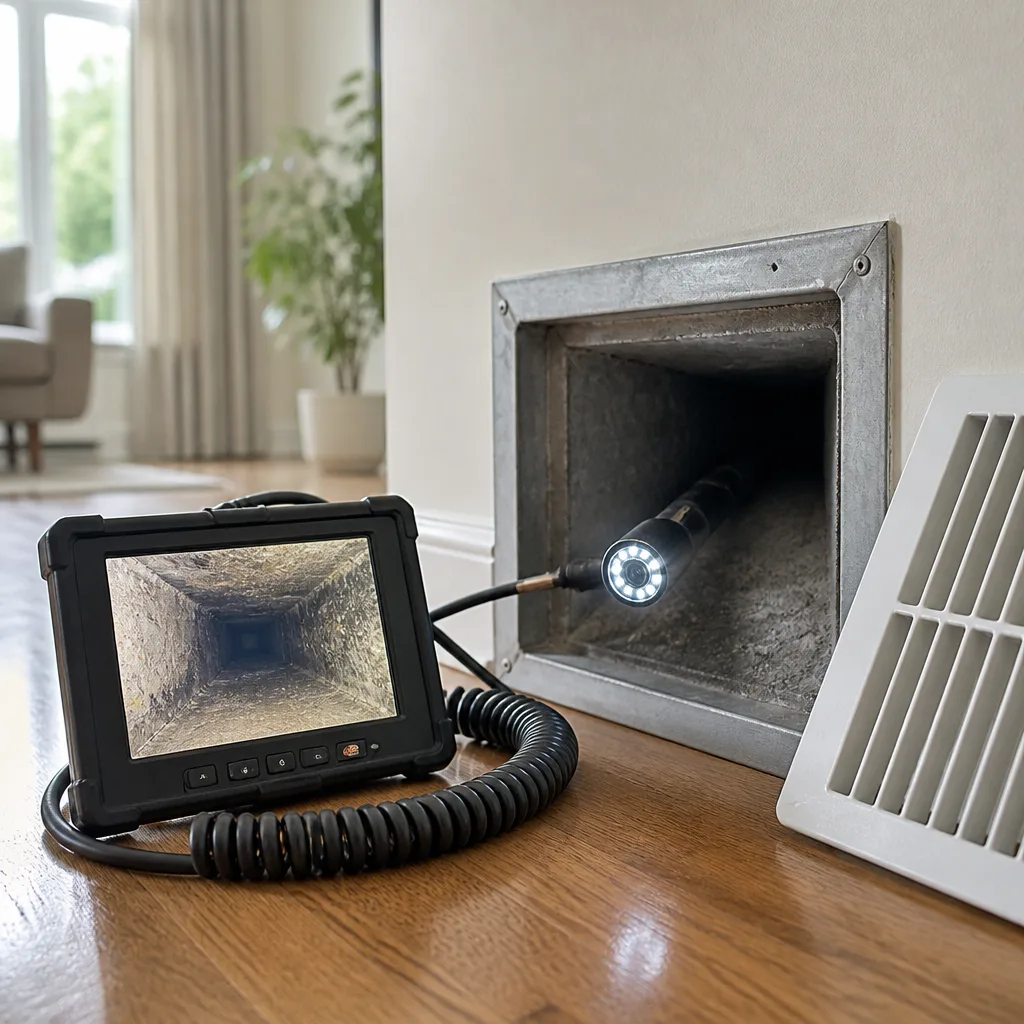
- Book an inspection if you see a film. A professional camera inspection confirms the extent.
- Clean and seal before the system runs full-time again. Cleaning removes the settled material, sealing closes the gaps that let more in.
Older houses are more vulnerable here. Duct runs in a home built before the 1980s frequently have unsealed joints, which means renovation dust finds its way into the duct interior through the leaks as well as through the returns. In that case a cleaning is only half the fix and sealing needs to follow.
What Older San Juan Capistrano Housing Reveals
San Juan Capistrano has a housing stock that spans a wide range of eras, and the ductwork inside those homes reflects the building practices of each. Homes in the older parts of town often have flexible duct runs with taped or mastic-sealed joints that have aged out, or rigid metal trunk lines with leaks at the takeoffs. Newer construction tends to have tighter duct sealing but sometimes cuts corners on return sizing, which creates the kind of high-velocity particle impaction that darkens a register face.
The mild climate here helps in one important way: there’s no long hard-freeze season to stress joints and no deep snow load to push attic ductwork out of position. What you do get is a long mild cooling season, meaning the system runs many more hours a year than in colder climates. More runtime means more air moving through the same duct surfaces, which accelerates dust film buildup on the interior walls and makes the early warning signs more meaningful when they appear.
It also means an unsealed leak costs you more over time here than in a place where the system runs less. Conditioned air lost to a crawlspace or attic is paid for twice: once on the energy bill and once on the longer runtime that the system reports. The mild climate is not a reason to defer duct repair, it’s a reason to treat runtime data seriously.
For a property manager overseeing several homes in San Juan Capistrano, the best early indicator is a habit rather than a signal: log the runtime and the filter change date for each unit, and check both on every visit. If you’d rather hand the inspection to a specialist, San Juan Capistrano air duct cleaning includes a full visual and camera inspection as part of every visit, and the findings are written up so you know what was found and what was cleaned.
A 10-Minute Self-Check You Can Do This Week
You don’t need instruments for the first pass. A flashlight, a notepad, and ten minutes on a mild morning will surface most of the early signs described above. This is a check, not a repair: stop at anything that involves opening the air handler, the coil, or the electrical panel, and note it for a technician.
- Smell the first-startup air. Stand in one room, note the time the system turns on, and note how long the smell lasts. Repeat in three rooms over three mornings.
- Flashlight the register frames. Look at the wall or ceiling around each supply and return grille. Note the pattern: even gray, streaking, or a concentrated dark line.
- Record runtime. Note the thermostat’s start and stop times on a mild day. Repeat a week later in similar weather.
- Log the symptom pattern. Who complains of symptoms, in which room, and at what time of day.
- Check the filter. Pull it and look at how evenly it’s loaded. Uneven loading can point to a return-side restriction.
- Look for dust trails after work. A renovation, pest treatment, or even drywall repair in the last 90 days is a trigger for inspection.
Write down what you find. A technician who sees the pattern on paper can walk in and go directly to the suspect section, which saves time and makes the inspection more useful. That’s the same idea behind a proper inspection report: the diagnostics tell you what to clean, and a good crew cleans the actual problem rather than every duct in the house on principle.
Common Mistakes to Avoid
- Treating every dust ring the same way. An even gray dust ring is normal bypass and doesn’t call for a cleaning on its own. Dark streaking from a register is velocity, and it needs a restriction or leak fixed, not a cleaning alone.
- Cleaning before you find the cause. A musty smell that fades after 15 minutes means overnight moisture in a specific section, not a whole system to be scrubbed. Cleaning everything without finding the source just resets the clock.
- Hiring on the lowest bid without knowing the process. A cleaning priced as a per-vent rate, or a coupon price that grows once a technician is on site, is the pattern to avoid. Ask for one flat price per system, agreed before work starts.
- Skipping the post-renovation check. If you remodeled in the last 90 days, the drywall dust is in the ducts whether you see it at the register or not. A camera inspection is a cheap way to find out.
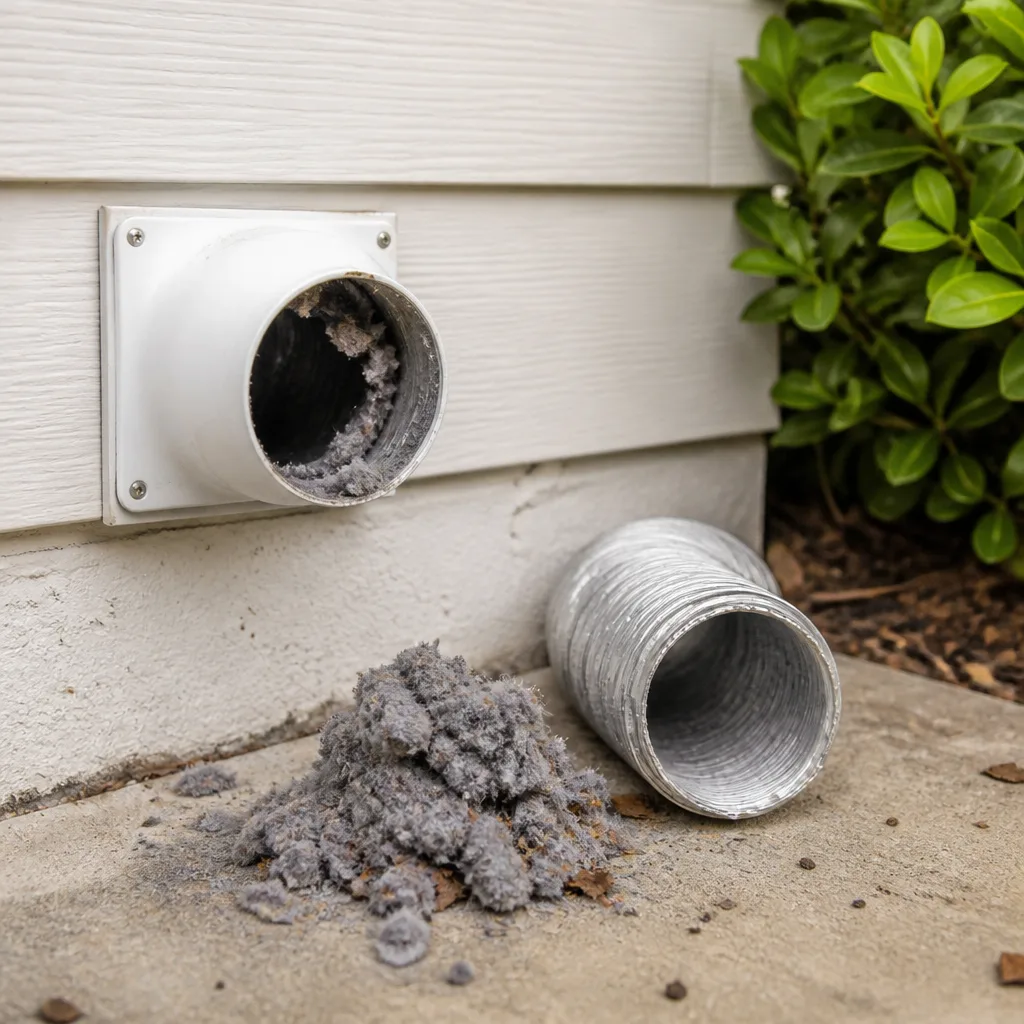
- Ignoring the dryer vent in a San Juan Capistrano home. The same early indicators apply to the dryer vent, and the stakes are fire, not just efficiency. A dryer vent that takes two cycles to dry a load or feels hot to the touch at the wall is overdue for a cleaning.
- Assuming seals last forever. Duct tape and mastic joint sealer age and crack. A duct repair and sealing check on a home more than 15 years old is worth doing at the same time as a cleaning, not in place of it.
When to Call a Professional
Call a professional when the smell pattern points to a specific duct section that doesn’t clear, when dark streaking persists at a register after you’ve swapped the filter, when your runtime has climbed and stayed up, or when you’ve completed interior work in the last 90 days. Also call if you see visible debris at a return grille, if anyone in the home has allergy or asthma symptoms concentrated in one zone, or if a dryer vent is taking more than one cycle to dry a load. These are the cases where a camera inspection pays for itself and where guessing costs you another cleaning down the road. San Juan Capistrano Air Duct Cleaning Pros offers free estimates in San Juan Capistrano. Call (844) 443-3974. We answer 24/7. Fast dispatch from 7am to 7pm, Sunday through Friday. You’ll get one flat price per system, agreed before work starts, and before-and-after photos of your own ducts so you can see exactly what was cleaned.
Frequently Asked Questions
A musty smell that lasts only the first 10-15 minutes after morning startup, dark streaking around a register frame instead of even gray dust, a 15-20% increase in HVAC runtime, and allergy symptoms that cluster in one or two rooms. These are the quiet indicators. Visible dust blowing from a supply register is a late sign, meaning the contamination event happened weeks or months earlier. Call (844) 443-3974 for an exact quote on an inspection; estimates are free.
Typical whole-system cleaning runs in the range of the mid-hundreds to a bit over a thousand dollars, depending on the size of the home, the number of systems, and whether duct repair and sealing is added. We won’t quote a per-vent price because that’s how low coupon offers turn into much larger invoices once a technician is on site. We give one flat price per system, agreed before work starts, and the written estimate is what you pay. Call (844) 443-3974, and we’ll talk through your home’s layout and give you a range over the phone. We answer 24/7. Fast dispatch from 7am to 7pm, Sunday through Friday.
Cheap quotes usually reflect what’s left out: no camera inspection, no sealing of leaks, consumer-grade equipment instead of a purpose-built system, and often a per-vent price that grows as the job goes on. A proper cleaning uses equipment like a Rotobrush rotary brush or Nikro system to agitate and remove material from the duct walls, and it comes with before-and-after photos so you can see the result. We’d rather quote honestly for the whole-system job than win on a number that doesn’t cover the work. Call (844) 443-3974 for an exact quote; estimates are free.
Ask for before-and-after photos of your own ducts, not stock images. A professional crew documents the condition of the duct interior before cleaning and after, and those photos get to you with the invoice. That’s the simplest way to know what happened behind the walls. Call (844) 443-3974 with any questions about what a proper cleaning includes.
Most homes don’t need it on a set schedule. The right interval depends on the specific triggers: a renovation, a pest treatment, a pet, a known leak, or the early warning signs covered in this guide. If none of those apply, an annual check on the filter and a visual look at the registers is usually enough. When a trigger does apply, an inspection within 90 days is the right move. Call (844) 443-3974 and we’ll talk through whether you actually need a cleaning or just an inspection.
The mild climate means the cooling system runs many more hours a year than in colder parts of the country, which means more air moving across the same duct surfaces and faster buildup of dust film. It’s not a climate problem in the sense of hard freeze or snow; it’s a runtime problem. Runtime is the signal to watch, and a 15-20% increase is the threshold where an inspection is worth booking. Call (844) 443-3974 for an exact quote; estimates are free.
Yes, and the room pattern is the diagnostic clue. When symptoms cluster in one room, the supply or return run serving that room is the likely source: a leaky boot, a damaged joint, or a return pulling from a contaminated space. A cleaning alone may not fix it. The duct repair and sealing step closes the path the contaminant is traveling through. air duct cleaning across the system plus sealing at the suspect run is the full fix, and we can check that run specifically. Call (844) 443-3974 to book an inspection.
The Bottom Line
The warning signs that matter most are the quiet ones: a smell that fades after startup, dark streaking instead of gray dust, a runtime that’s crept up 15-20%, symptoms that cluster in one room. Read those patterns and you’ll know what to investigate before visible dust forces the issue. Any renovation or pest treatment is a 90-day inspection trigger. When it’s time to look at the ductwork, the right service is a proper inspection, cleaning with professional equipment, and sealing at any leak the inspection turns up, done as one flat price per system agreed before work starts. For the cleaning side of the job, see San Juan Capistrano Air Duct Cleaning Pros, and for the fire-safety side, the dryer vent matters just as much: dryer vent cleaning is a service we take seriously. If your system is overdue, an HVAC cleaning visits the air handler, coil, and filter housing in the same trip.
Get an Inspection Instead of a Guess
If the pattern in this guide matches what you’re seeing at home, call (844) 443-3974 for a free estimate. We answer 24/7. Fast dispatch from 7am to 7pm, Sunday through Friday. One flat price per system, agreed before work starts. Before-and-after photos of your own ducts. The local pro is licensed and insured as their state requires, and our technicians have up to 15 years of experience working with professional-grade Rotobrush and Nikro equipment. Whether your early warning signs point to a cleaning, a sealing job, or just a filter change, we’ll tell you straight. Ask us about San Juan Capistrano air duct cleaning appointments and what the inspection will cover.
Written by the team at San Juan Capistrano Air Duct Cleaning Pros.
See the difference
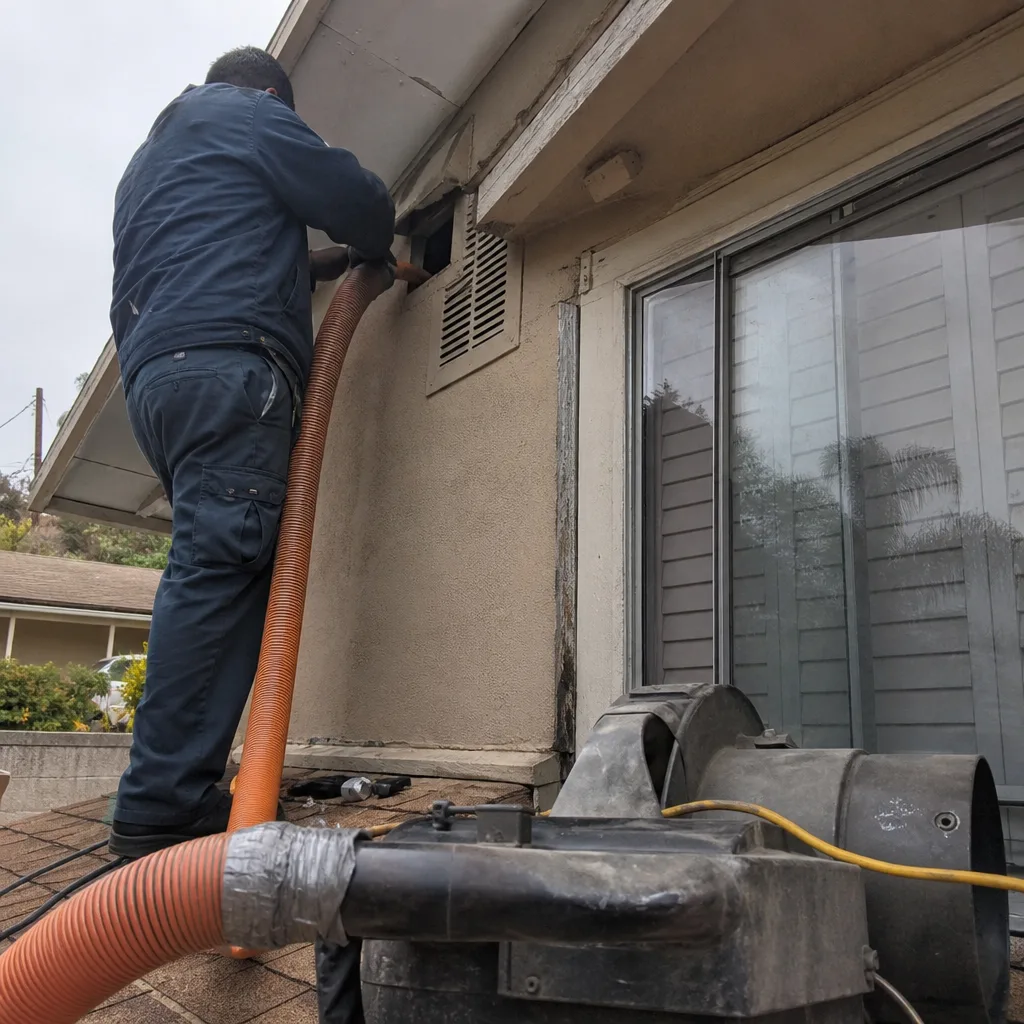 Before
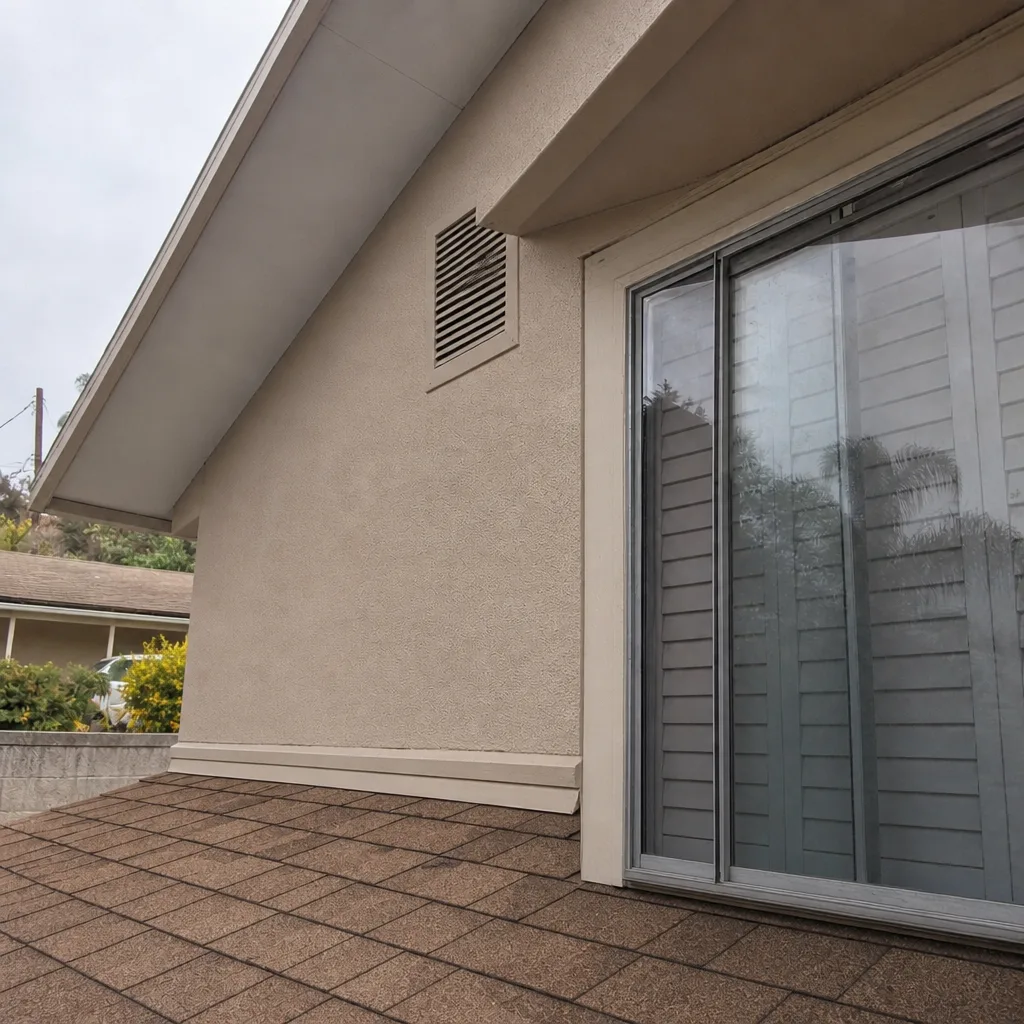 After
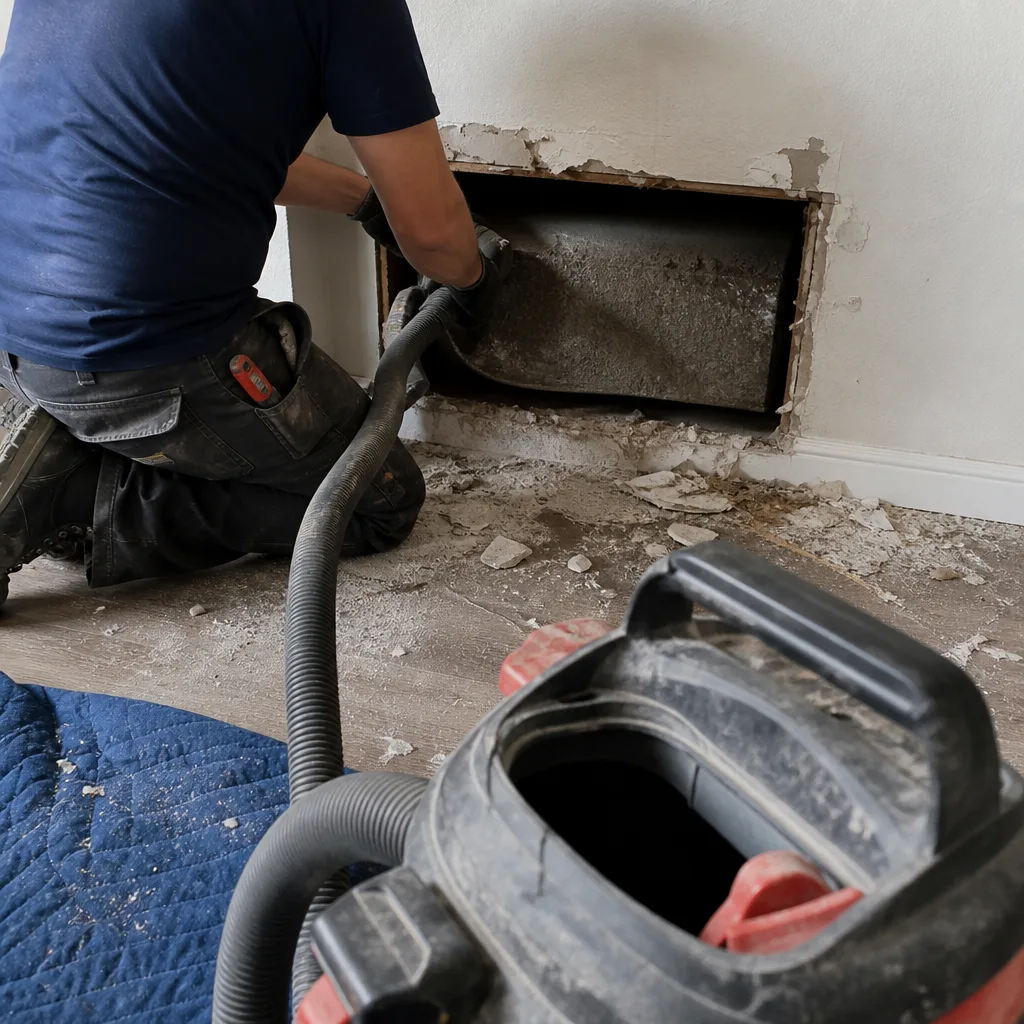 Before
 After
 Before
 After